Categories more
- Adventures (199)
- Arts / Collectibles (315)
- Automotive (219)
- Aviation (279)
- Bath, Body & Health (513)
- Children (116)
- Cigars / Spirits (271)
- Cuisine (723)
- Design / Architecture (1118)
- Electronics (222)
- Entertainment (162)
- Event Planning (295)
- Fashion (550)
- Finance (195)
- Gifts / Misc (141)
- Home Decor (558)
- Jewelry (396)
- Pets (91)
- Philanthropy (124)
- Real Estate (386)
- Services (221)
- Sports / Golf (213)
- Vacation / Travel (1036)
- Watches / Pens (223)
- Wines / Vines (861)
- Yachting / Boating (7301)


Understanding Jaw Alignment: Causes, Effects, and Everyday Signs to Watch

Published
09/09/2026Most people think about their teeth long before they think about their jaws. A tooth that aches or a smile that looks uneven gets noticed right away, while the joint and bone structure holding everything in place tends to go unexamined for years.
Yet the way the upper and lower jaws meet affects how a person chews, speaks, sleeps, and even how the face looks at rest. Families across TX often discover this only after a small discomfort turns into a daily annoyance.
Learning how jaw alignment works, what pushes it off balance, and which signs are worth paying attention to can save a great deal of trouble later on.
What Happens When the Jaws Do Not Meet Properly
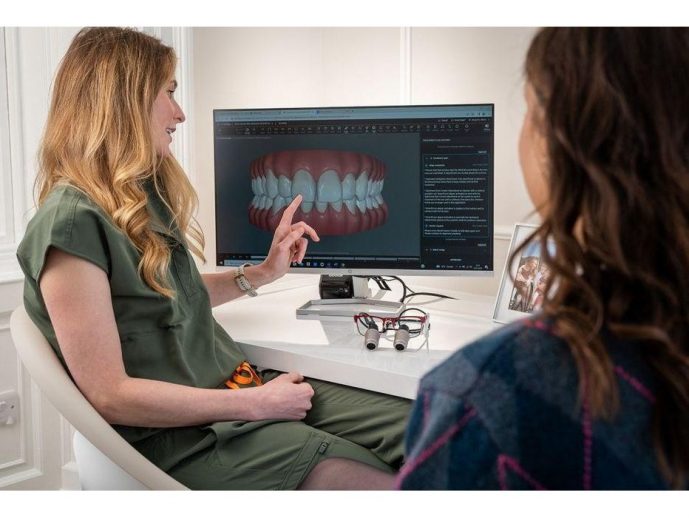
The upper and lower jaws are meant to close in a way that spreads pressure evenly across the mouth, and when they do not, a few teeth end up carrying more force than they were built for. Orthodontic problems of this kind rarely announce themselves, because the bite shifts slowly and the person adapts without realizing anything has changed. Correcting the underlying alignment, rather than masking the symptoms, is what restores balance and protects the teeth over the long term. If you are also looking for reliable orthodontic treatments, TX has experienced professionals ready to assess how your jaws meet and plan the right course from there.
Common Reasons Jaw Alignment Goes Off Balance
Alignment problems come from a mix of inherited traits and everyday habits. Jaw size and shape are largely passed down, which is why a narrow arch or a receding lower jaw often runs in a family. Childhood habits play their part as well. Prolonged thumb sucking, extended pacifier use, and long stretches of mouth breathing can all influence how the bones grow during the years when they are still soft and responsive.
Injury is another cause. A fall, a sports collision, or a knock to the chin can shift the joint slightly, and the change may not be noticeable until months later.
Losing teeth early, whether from decay or accident, leaves gaps that neighboring teeth drift into, which quietly reshapes the whole arch. Even long-standing posture habits, such as resting the chin on a hand for hours while studying or working, can add pressure over the years.
Signs You Might Notice in Daily Life
The clearest signals are the ones people tend to dismiss. A jaw that clicks or pops when opening wide is worth noting. So is a jaw that feels tired after a normal meal, or one that locks briefly before releasing. Frequent headaches around the temples, especially in the morning, often trace back to clenching through the night rather than to stress alone.
Other signs are visual. Teeth that are worn flat along the edges, front teeth that no longer touch when the back ones do, or a smile that leans slightly to one side all point toward a bite that is not sharing force evenly. Some people notice they chew mostly on one side out of habit, which is usually the body avoiding discomfort on the other.
Why the Effects Reach Beyond the Mouth
An unbalanced bite does not stay confined to the jaw. The muscles that control chewing connect to the neck and shoulders, so tension in one place travels to the next. People with long-term bite problems often report stiff necks, tender shoulders, and a general heaviness in the face by the end of the day.
Sleep is affected too. When the lower jaw sits further back than it should, the airway behind the tongue narrows, which can lead to snoring and broken sleep. Poor sleep then shows up as fatigue, low concentration, and irritability, none of which anyone would naturally connect back to the shape of a jaw.
There is also the matter of confidence. Many people learn to smile with their lips closed or turn their head slightly in photographs without ever admitting why. That habit is easy to carry for decades.
The Difference Timing Makes for Children
Childhood is when the jaws are most responsive to guidance, because the bones are still growing and can be shaped rather than moved. This is why early evaluation matters so much. A professional can spot a narrow arch, a crossbite, or a growth pattern heading in the wrong direction long before a parent would notice anything unusual.
Early attention does not always mean early action. Often the right decision is to watch and wait until the timing is exactly right. What early evaluation provides is information, so families can plan instead of react. Waiting until every adult tooth has arrived can turn a straightforward situation into a complicated one, simply because the window for guiding growth has closed.
Parents can watch for a few practical things at home. Does the child breathe through the mouth while resting or sleeping? Do the upper and lower front teeth line up reasonably when the mouth closes? Is chewing slow, awkward, or one-sided? Does speech sound muffled in a way that has not improved with age? Any of these is a reasonable reason to ask a professional to take a look.
Habits That Support a Balanced Bite
While structure is largely determined by growth, daily habits still make a difference. Chewing on both sides of the mouth spreads the load evenly. Avoiding hard objects such as ice, pens, and fingernails protects the tooth edges and the joint. Being mindful of clenching during focused work helps more than people expect, since much of it happens without awareness.
Sleeping position matters as well. Resting the full weight of the head on one hand or fist night after night applies steady pressure to one side of the face. Managing everyday stress helps too, because tension often settles in the jaw before it shows up anywhere else.
Taking the Next Step With Confidence
Jaw alignment is easy to overlook because the changes are gradual and the body is good at adapting. That adaptation comes at a cost, though, paid slowly in worn teeth, tired muscles, and restless nights.
Paying attention to the small signals, understanding what causes them, and asking questions early puts a person in a far better position than waiting for discomfort to force the issue. A comfortable bite supports everything built on top of it, from clear speech to sound sleep to the ease of smiling without a second thought.
Comments
