Categories more
- Adventures (62)
- Arts / Collectables (14)
- Automotive (77)
- Aviation (65)
- Bath, Body, & Health (123)
- Children (6)
- Cigars / Spirits (71)
- Cuisine (66)
- Design/Architecture (22)
- Electronics (63)
- Entertainment (36)
- Event Planning (115)
- Fashion (45)
- Finance (10)
- Gifts / Misc (6)
- Home Decor (118)
- Jewelry (41)
- Pets (3)
- Philanthropy (1)
- Real Estate (16)
- Services (44)
- Sports / Golf (14)
- Vacation / Travel (85)
- Watches / Pens (33)
- Wines / Vines (34)
- Yachting / Boating (67)


Understated Luxury: 9 Interior Upgrades That Don’t Require a Full Renovation

Published
09/17/2026Luxury at home doesn’t have to mean marble-clad bathrooms, custom extensions, or months of building work. Often, the rooms that feel most considered owe their appeal to quieter details, such as good proportions, tactile materials, warm lighting, and practical features chosen with care.
If your home already has good interior design, a handful of well-judged changes can make it feel more polished without stripping everything back to the studs. Here are nine upgrades that prove subtle changes can have a surprisingly luxurious effect.
1. Treat Practical Features as Part of the Interior
Some of the most effective upgrades begin with the things a home actually needs. Radiators, switches, sockets, and other functional fittings occupy visible space, yet homeowners often leave them untouched while investing in furniture and decoration.
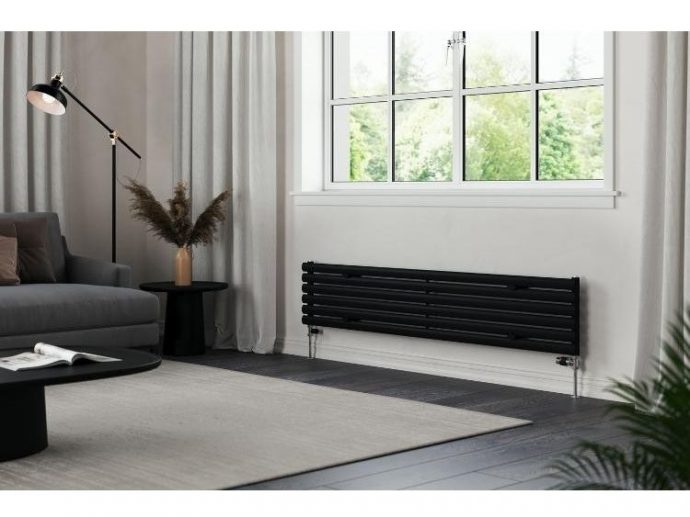
An old radiator can stand out in a carefully furnished room. Replacing it gives you the chance to choose something that works with the proportions of the space. A horizontal design makes sense beneath a window or across a wider section of wall, where its lower profile can complement rather than compete with the furniture.
If you’re considering changing your radiators to modern options, check out the range of horizontal designer radiators at https://ukradiators.com. Before choosing a replacement, check the heat requirements of the room and the dimensions of the available wall space. Looks matter, but the radiator still needs to heat the room properly and make it feel warm and luxurious.
Apply the same thinking to switches, sockets, door handles, and cabinet hardware. Replacing tired plastic or mismatched fittings with finishes that relate to one another can make the entire room feel more cohesive.
2. Layer the Lighting
A single ceiling light can flatten even a beautifully furnished room. Using several light sources at different heights creates depth and lets you adjust the atmosphere after dark.
Consider how you use each part of the room. A floor lamp can illuminate a reading chair, while a table lamp adds a warm pool of light to a console or side table. Wall lights can draw attention to artwork or architectural details without flooding the entire space.
Keep bulb colour temperatures consistent within the room. Dimmers also let you shift easily from practical illumination to softer evening light.
3. Give Windows a More Generous Finish
Curtains and blinds cover a significant amount of visual space, making them an important part of any interior scheme.
Where the architecture permits, hang curtains higher and wider than the window itself. Full-length fabric draws the eye upwards and can make windows appear more generous without changing their dimensions.
Fabric sets the tone. Linen and softly textured weaves suit relaxed interiors, while velvet and heavier materials bring greater formality. Whatever you choose, allow enough fabric to create generous folds. A rich drape looks far more refined than curtains stretched almost flat across a window.
4. Bring Character to Plain Walls
You don’t need major structural work to give a simple room more architectural presence. Thoughtful joinery can introduce depth and proportion without overpowering the original space.
Picture rails, wall panelling, deeper skirting boards, and understated mouldings can all add definition. Let the style of the property guide your decision. Elaborate detailing may feel misplaced in a sleek contemporary apartment, while overly minimal trim can look at odds with a period interior.
Paint offers another opportunity. Using related tones across walls, doors, and woodwork can create a softer, more sophisticated result than automatically pairing coloured walls with brilliant white trim.
5. Choose Materials That Reward Touch
Luxury often reveals itself through texture rather than decoration. A few well-chosen natural materials can bring richness to a room without making it feel overly styled.
Look at the surfaces you encounter every day. A substantial wool rug, linen curtains, solid timber furniture, natural stone, or weighty metal hardware can add a tactile quality that purely decorative accessories struggle to match.
This works particularly well with restrained colour palettes. Instead of introducing more colours for interest, create contrast through texture: smooth stone beside woven fabric, polished metal against timber, or crisp upholstery alongside a deep-pile rug.
6. Get the Rug Proportions Right
Even a beautiful rug can look underwhelming when it is too small for the furniture around it. A rug floating in the middle of a seating area can make the room appear disconnected.
Choose a size that visually anchors the main furniture. In a living room, the front legs of the sofa and chairs should generally reach the rug. Larger rooms may accommodate the entire seating arrangement.
Think about the surrounding materials too. A soft wool rug can temper hard timber or stone flooring, while a flatter weave may suit a room that already contains several plush fabrics.
7. Give Art Space to Command Attention
More artwork doesn’t automatically create a more sophisticated interior. A little restraint can make individual pieces feel far more significant.
Choose where you want the eye to settle. One generously sized artwork above a sofa, console, or fireplace can bring focus to the room. For a gallery wall, establish the overall dimensions before hanging anything and keep the spacing between frames intentional.
Frames don’t have to match, but a shared element, perhaps the material, colour, or profile, can help the collection feel coherent. Most importantly, leave some walls empty. Visual breathing room gives your favourite pieces greater presence.
8. Edit Shelves and Surfaces
Open shelves and tabletops can easily become crowded with objects accumulated over time. Editing them can transform a room at no cost.
Clear the surface and return only the pieces you genuinely enjoy seeing. Books, ceramics, photographs, and objects collected while travelling can add personality, but they need space around them.
Vary heights and shapes rather than arranging everything in a straight line. Leaving sections empty creates calm and lets individual objects stand out.
Use the same approach on coffee tables and consoles. A small number of carefully positioned pieces often feels more luxurious than a surface filled edge to edge.
9. Reconsider the Furniture Layout
Before buying new furniture, experiment with what you already own. A different arrangement can alter how spacious and inviting a room feels.
In larger living areas, pulling furniture away from the walls can create a more intimate conversation zone. Turning an occasional chair towards the main seating group can make the arrangement feel purposeful rather than incidental.
Consider the view as you enter the room, too. Keep important sightlines open and avoid allowing bulky furniture to dominate the first impression.
If the space still feels crowded, remove one piece before adding another. Luxury often comes from allowing beautiful furniture enough room to be appreciated.
Final Thoughts
Understated luxury comes from attention to detail, not excess. Start with the elements that shape daily experience: warmth, light, texture, proportion, and craftsmanship.
Thoughtful window treatments, tactile materials, carefully placed lighting, refined practical fittings, and a less crowded layout can all give a home greater depth without months of renovation work.
The most convincing interiors rarely look as though someone tried to make them luxurious. They simply feel comfortable, composed, and beautifully resolved.
Comments
