Categories more
- Adventures (51)
- Arts / Collectables (14)
- Automotive (36)
- Aviation (11)
- Bath, Body, & Health (76)
- Children (6)
- Cigars / Spirits (71)
- Cuisine (64)
- Design/Architecture (22)
- Electronics (13)
- Entertainment (4)
- Event Planning (12)
- Fashion (45)
- Finance (10)
- Gifts / Misc (6)
- Home Decor (45)
- Jewelry (41)
- Pets (3)
- Philanthropy (1)
- Real Estate (16)
- Services (23)
- Sports / Golf (14)
- Vacation / Travel (66)
- Watches / Pens (14)
- Wines / Vines (33)
- Yachting / Boating (67)


What Do Germans Actually Wear to Oktoberfest?

Published
06/24/2026What Do Germans Actually Wear to Oktoberfest?
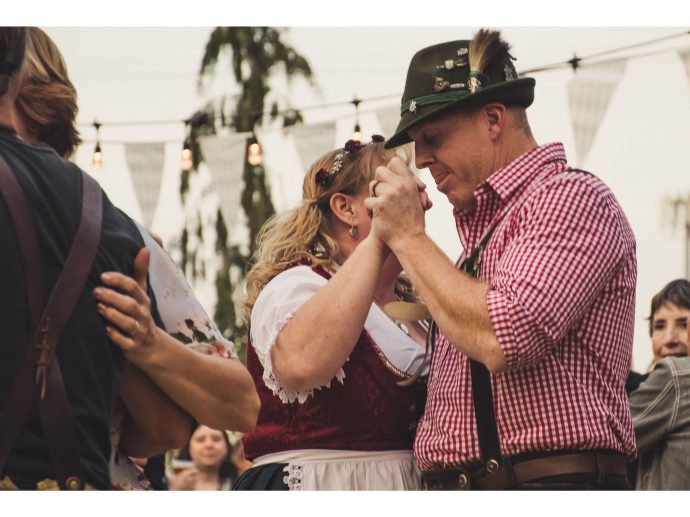
If you have ever browsed Oktoberfest photos online, you may have noticed that most attendees are dressed in remarkably similar clothing and that it looks nothing like what you might find at a costume shop. That is because for most Germans, particularly Bavarians, dressing for Oktoberfest is not about wearing a novelty outfit. It is about putting on clothing that reflects a genuine cultural tradition. This article looks at what Germans actually wear to Oktoberfest, why those choices matter, and what distinguishes authentic festival dress from imitation.
What to wear on Oktoberfest
The term most Germans use for traditional festival clothing is Trachten, a broader word that covers all forms of regional folk dress in German-speaking countries. At Oktoberfest, Trachten takes two primary forms:
Dirndl : the traditional dress worn by women, consisting of a bodice, skirt, apron, and blouse
Lederhosen : leather breeches worn by men, typically paired with a checked shirt and suspenders
What separates Trachten from a costume is quality and intention. Most Bavarians own at least one set of Trachten that they wear not only to Oktoberfest but also to weddings, church celebrations, and regional festivals throughout the year. These are not single-use garments, they are part of everyday cultural life in Bavaria.
What Women Wear: The Traditional Oktoberfest Dress
The traditional Oktoberfest dress for women is the Dirndl, and it comes in a wider range of styles than most outsiders expect. While the basic structure remains consistent, the details vary considerably by region, occasion, and personal taste.
Key elements of an authentic Dirndl:
Bodice (Mieder) : fitted and structured, typically fastened with hooks or a laced front
Skirt (Rock) : ranges from knee-length to floor-length depending on formality and regional tradition
Apron (Schürze) : tied at the front; the side on which the bow is tied carries a traditional social meaning in Bavaria
Blouse (Dirndlbluse) : worn underneath the bodice, usually in white or cream with lace or embroidered detailing
At Oktoberfest specifically, midi-length Dirndls in deep, rich colours forest green, navy, burgundy, and grey are most commonly seen. Floral embroidery and traditional patterns are common details. Younger attendees often choose shorter styles, while older or more traditionally minded guests tend toward longer, more formal cuts.
What most German women avoid:
- Synthetic fabrics that imitate the look of cotton or wool
- Very short or heavily modified Dirndls that stray far from the traditional silhouette
- Mass-produced versions with plastic hardware or poorly finished seams
What Men Wear: Lederhosen and the Details That Matter
For men, the standard Oktoberfest outfit is Lederhosen and again, the authentic version looks quite different from what is typically sold as a novelty item.
Key elements of authentic Lederhosen:
Leather breeches : made from genuine deer, goat, or cowhide leather that softens and molds to the wearer over time
Length : most commonly short (above the knee) for festival wear, though knee-length and longer styles exist
Suspenders (Hosenträger) : an integral structural part of the garment, not a decorative addition; often embroidered with regional motifs
Bib front : a flap at the front that folds down, typically decorated with embroidery or carved horn buttons
What is worn with Lederhosen:
|
Item |
Details |
|
Trachtenhend (shirt) |
Checked or plain linen/cotton, relaxed fit, embroidered collar |
|
Socks (Loferl) |
Calf-length wool socks, often with decorative edging |
|
Shoes |
Haferlschuhe — traditional leather shoes with a side lace |
|
Hat (optional) |
Felt Bavarian hat, sometimes with a small feather or pin |
Authentic Lederhosen are considered an investment. A well-made pair can last decades and is often passed down within families, something that says a great deal about the quality of traditional Bavarian craftsmanship.
Regional Differences Worth Knowing
Bavaria is not a uniform cultural bloc, and Trachten traditions vary noticeably between regions. What is considered standard dress in Munich may differ from what is worn in the Alpine foothills or in Franconia in northern Bavaria.
A few regional distinctions:
Munich and surrounding areas : the styles most visible at Oktoberfest; relatively urban in interpretation, with a wide range of colours and embroidery styles
Alpine regions (Berchtesgaden, Garmisch) : tend toward more conservative, darker colours and heavier wool fabrics suited to cooler mountain climates
Franconia : a distinct cultural region with its own Trachten traditions that differ from the stereotypical Bavarian look
United States : Most commonly seen at stateside Oktoberfest celebrations, tend to lean festive and fashion-forward, often prioritising colour and silhouette over strict regional authenticity; German-American communities in states like Wisconsin, Ohio, and Texas have maintained their own longstanding Trachten traditions that carry a more heritage-driven approach
For most international visitors, the Munich style is what they encounter at Oktoberfest, but it is worth knowing that traditional Bavarian clothing is far more regionally varied than a single festival snapshot suggests.
How Germans Shop for Oktoberfest Clothing
Most Bavarians do not buy new Trachten every year. Many inherit pieces from family members, have garments tailored, or invest in high-quality items that are maintained carefully over time. For those who do buy new pieces, specialist Trachten retailers are the standard choice, not general clothing stores or online marketplaces selling low-cost alternatives.
When shopping for authentic pieces, Germans typically look for:
- Natural materials throughout — leather, wool, cotton, linen
- Consistent, clean stitching with no loose threads or uneven seams
- Metal hardware — buttons, clasps, and hooks made from brass or horn, not plastic
- A proper fit — Trachten is sized to fit the body accurately, not worn loosely
Specialist retailers such as Bavaria Trachten apply these same standards to garments made for both local and international customers, making it possible to access authentic quality without travelling to Bavaria directly.
What About Non-Bavarian Germans?
It is worth noting that Oktoberfest is a Bavarian tradition, not a pan-German one. Germans from other regions : Berlin, Hamburg, Cologne, do not have the same personal connection to Trachten that Bavarians do. Many non-Bavarian Germans who attend Oktoberfest choose to wear Trachten as a mark of respect for the setting, while others attend in regular clothing. There is no strict dress code at the festival, but wearing Trachten is strongly encouraged by the event's organisers and is considered a sign of genuine engagement with the occasion.
Conclusion
What Germans actually wear to Oktoberfest reflects something deeper than fashion, it reflects a living cultural tradition that has been maintained and adapted over generations. The traditional Oktoberfest dress for women, the Dirndl, and its male counterpart, Lederhosen, are garments defined by natural materials, careful construction, and regional meaning. Understanding what authentic Trachten looks like and what separates it from imitation, gives any visitor to Oktoberfest a clearer sense of the tradition they are participating in, and a stronger foundation for choosing clothing that genuinely belongs in that setting.
Comments
