Categories more
- Adventures (62)
- Arts / Collectables (14)
- Automotive (77)
- Aviation (65)
- Bath, Body, & Health (123)
- Children (6)
- Cigars / Spirits (71)
- Cuisine (66)
- Design/Architecture (22)
- Electronics (63)
- Entertainment (36)
- Event Planning (115)
- Fashion (45)
- Finance (10)
- Gifts / Misc (6)
- Home Decor (118)
- Jewelry (41)
- Pets (3)
- Philanthropy (1)
- Real Estate (16)
- Services (44)
- Sports / Golf (14)
- Vacation / Travel (85)
- Watches / Pens (33)
- Wines / Vines (34)
- Yachting / Boating (67)



What Drivers Should Know About Delivery Truck Accidents

Published
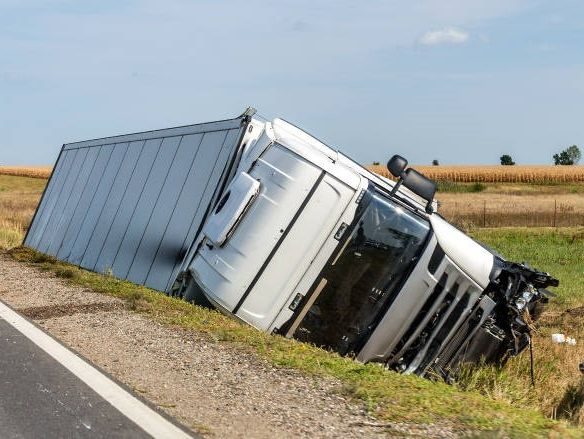
04/29/2026Delivery truck accidents are more common than most drivers expect, and they tend to cause serious injuries. The size and weight of these vehicles mean that even a low-speed impact can do significant damage to a smaller car.
These crashes are also legally more complex than typical two-car collisions. Delivery truck accident claims often involve multiple parties, including the driver, the employer, and sometimes a third-party logistics company. Knowing who is responsible and how liability works is essential before you deal with any insurer.
The rise of same-day and next-day delivery has put more large vehicles on roads that were not always designed for them. Congested neighborhoods, tight turns, and time pressure on drivers all contribute to conditions where accidents happen.
Why Delivery Truck Accidents Are Different from Regular Car Crashes
A crash involving a delivery truck is not handled the same way as a crash between two passenger vehicles. Several factors make these cases more complicated from the start.
The Size and Weight Difference
Delivery trucks range from large vans to full-sized commercial vehicles. Even a mid-sized delivery van carries significantly more mass than a standard car, which means more force on impact and more severe injuries.
Stopping distances are longer, blind spots are larger, and the handling characteristics are different from passenger vehicles. Drivers sharing the road with these trucks need to account for those differences even when the truck driver does not.
Multiple Parties May Share Liability
In a regular car crash, liability usually falls on one driver or the other. Delivery truck crashes can involve the driver, the company that employs them, the company that owns the vehicle, and, in some cases, a separate logistics contractor.
Each party may carry its own insurance, and each may try to shift blame to the other. Sorting out who is responsible requires a closer look at employment contracts, delivery agreements, and insurance policies.
Common Causes of Delivery Truck Accidents
Understanding what causes these crashes helps you recognize risky situations on the road and supports your claim if an accident does happen.
Delivery drivers operate under significant time pressure. Late deliveries affect their performance ratings and, in some cases, their pay. That pressure leads to speeding, skipping safety checks, and taking risks in traffic that a less pressured driver would not take.
Other common causes include:
- Distracted driving from GPS devices, phones, or delivery apps while the vehicle is moving.
- Fatigued driving on long routes with multiple stops and little rest time.
- Poor vehicle maintenance leading to brake failure or tire blowouts.
- Improper loading that shifts weight and affects vehicle stability.
- Backing accidents in driveways, parking lots, and residential streets.
Who Can Be Held Responsible After a Delivery Truck Crash
Liability in these cases is rarely straightforward. The answer depends on the relationship between the driver and the company they are delivering for.
Employed Drivers vs. Independent Contractors
If the driver is a direct employee of the delivery company, the company is generally responsible for their actions while on the job. This is known as vicarious liability and is one of the strongest bases for a claim against a large company.
If the driver is classified as an independent contractor, the company may argue they are not liable for the driver's actions. However, courts increasingly look at the level of control the company exercises over the driver, and in many cases, that control is enough to establish employer responsibility regardless of the contractor label.
Vehicle Owners and Maintenance Providers
If the truck was poorly maintained and a mechanical failure contributed to the crash, the vehicle owner or maintenance provider may share liability. Brake failures, worn tires, and faulty lighting are all maintenance issues that courts have found relevant in truck accident cases.
Steps to Take After a Delivery Truck Accident
- Call emergency services immediately and stay at the scene until help arrives.
- Photograph the truck, including its company markings, license plate, and any visible damage.
- Get the driver's name, license number, and insurance details before they leave.
- Identify and speak to any witnesses and collect their contact information.
- Seek medical attention the same day, even if your injuries feel minor at first.
- Contact a personal injury attorney before giving any recorded statement to the delivery company's insurer.
Key Takeaways
- Delivery truck accidents cause more serious injuries than typical car crashes due to size and weight differences.
- Liability can extend beyond the driver to the employer, vehicle owner, and logistics contractors.
- Time pressure on delivery drivers is a leading cause of risky driving behavior and crashes.
- Employed drivers create stronger grounds for employer liability than independent contractors in most cases.
- Poor vehicle maintenance is a separate basis for liability that should always be investigated.
- Photographing the truck and collecting witness details at the scene strengthens your claim significantly.
- Speaking with a personal injury attorney before engaging the delivery company's insurer protects your position from the start.
Comments
