Categories more
- Adventures (62)
- Arts / Collectables (14)
- Automotive (77)
- Aviation (65)
- Bath, Body, & Health (123)
- Children (6)
- Cigars / Spirits (71)
- Cuisine (66)
- Design/Architecture (22)
- Electronics (63)
- Entertainment (36)
- Event Planning (115)
- Fashion (45)
- Finance (10)
- Gifts / Misc (6)
- Home Decor (118)
- Jewelry (41)
- Pets (3)
- Philanthropy (1)
- Real Estate (16)
- Services (44)
- Sports / Golf (14)
- Vacation / Travel (85)
- Watches / Pens (33)
- Wines / Vines (34)
- Yachting / Boating (67)


What If Your Windows Knew When the Sun Was Getting Annoying

Published
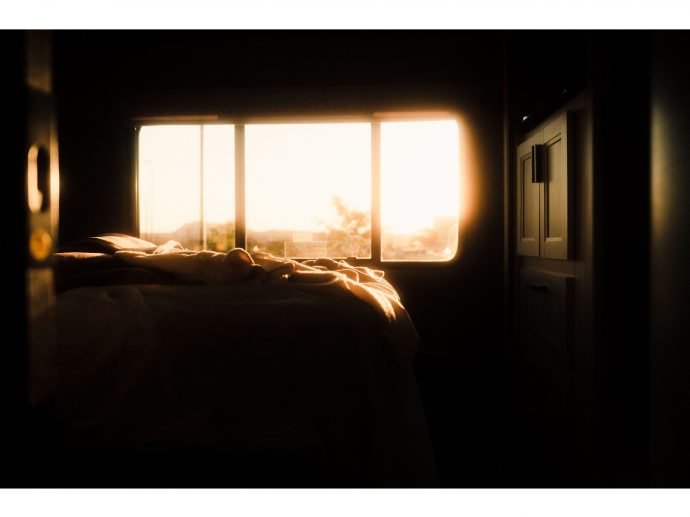
10/07/2026Morning light pouring through the windows feels great for about an hour, warm, golden, exactly the kind of thing people picture when they imagine a bright home. Then the sun keeps climbing and that same light turns into glare on a screen, heat building in a room, and fading fabric nobody meant to bleach.
That daily cycle repeats itself over and over without anyone really planning for it. A room that felt perfect at eight in the morning can feel completely unusable by noon, all because the sun simply kept moving the way it always does.
Motorized window coverings Loveland CO homeowners have been installing more often solve exactly that problem, adjusting automatically throughout the day instead of leaving someone to notice, get up, and manually deal with it every single time.
Shades Don't Have to Wait for You Anymore
Traditional window coverings only move when someone actually walks over and adjusts them by hand, which means they usually stay in whatever position feels convenient rather than whatever position actually suits the moment. Most people simply don't bother adjusting them multiple times a day.
Motorized systems remove that dependency on someone remembering to act. Timers can lower shades before harsh afternoon sun hits a west facing room, while smart home integration lets everything respond to schedules, sensors, or simple voice commands without anyone touching a cord.
That shift changes the entire relationship between a household and its windows. Instead of light and heat being something people react to after the fact, the coverings themselves start managing the situation proactively, often before anyone even notices there was a problem developing.
A Room Changes Every Hour
Sunlight doesn't treat every window in a house the same way throughout the day, even though it's easy to think of natural light as one uniform thing. East facing rooms deal with intense morning brightness, while west facing spaces absorb the harshest heat later in the afternoon.
A living room that's comfortable at ten in the morning might become unbearably bright by early afternoon, while a home office on the opposite side of the house deals with the exact opposite pattern. Following that daily arc reveals just how differently each room actually behaves.
Static window coverings can't account for that kind of variation without constant manual adjustment throughout the day. Automated systems, on the other hand, can be programmed around each room's specific pattern, treating every window according to what it actually experiences rather than a single blanket setting.
The Hardest Windows to Reach May Benefit the Most
Some windows practically beg for automation simply because reaching them manually ranges from inconvenient to nearly impossible. Tall windows above stairwells, large banks of glass in vaulted rooms, and awkwardly placed openings over furniture all fall into that category regularly.
These are exactly the spots where manual cords or wands become genuinely impractical, sometimes requiring a ladder or an uncomfortable stretch just to make a basic adjustment. Motorization solves that problem entirely, letting a difficult window operate as easily as any other in the house.
Homeowners often discover that these hard to reach windows were being left in one fixed position for years simply because adjusting them was too much of a hassle. Automation finally makes those windows as functional as the ones people actually bother adjusting regularly.
Automation Can Become Almost Invisible
The best version of home automation rarely draws attention to itself, and motorized shades tend to fit that description particularly well once they're properly set up. Rather than becoming another gadget demanding constant interaction, they quietly settle into a home's daily rhythm.
Shades that rise with morning light and lower before afternoon glare start to feel less like technology and more like a natural extension of how the house simply works. Nobody has to think about it, adjust it, or manage it once the schedule is dialed in correctly.
That invisibility is really the goal behind good automation in general. The most successful systems don't ask for attention, they just handle the small daily annoyances in the background so residents can focus on literally anything else instead.
Conclusion
Windows obviously can't sense frustration or know when sunlight has crossed the line from pleasant to annoying, that premise is playful rather than literal. But a well planned automated system can come surprisingly close to behaving as if it actually does.
Scheduled timing, smart sensors, and thoughtful programming replace the guesswork of manual adjustment with something that responds consistently, day after day, without anyone needing to remember or get up from what they're doing.
The sun is going to keep moving across the sky no matter what, that part was never going to change. What can change is whether a house keeps pace with it automatically or leaves someone chasing glare and heat all afternoon on their own.
Comments
