Categories more
- Adventures (62)
- Arts / Collectables (14)
- Automotive (65)
- Aviation (11)
- Bath, Body, & Health (76)
- Children (6)
- Cigars / Spirits (71)
- Cuisine (64)
- Design/Architecture (22)
- Electronics (13)
- Entertainment (4)
- Event Planning (12)
- Fashion (45)
- Finance (10)
- Gifts / Misc (6)
- Home Decor (45)
- Jewelry (41)
- Pets (3)
- Philanthropy (1)
- Real Estate (16)
- Services (23)
- Sports / Golf (14)
- Vacation / Travel (66)
- Watches / Pens (14)
- Wines / Vines (33)
- Yachting / Boating (67)



What Makes a Home Feel New Without a Full Renovation

Published
10/05/2026There’s a certain point where a house starts feeling a little too familiar in a way that isn’t always good. Not broken. Not outdated in an obvious, dramatic sense. Just slightly tired around the edges. Like it’s been doing the same routines for too long without a break.
And that’s usually when homeowners start thinking about change. But here’s the thing — it doesn’t always take a full renovation to shift that feeling.
No demolition. No months of dust. No living in a construction zone where every morning begins with the sound of tools you didn’t ask for. Sometimes it’s a handful of targeted upgrades that do most of the work. The kind you actually interact with every day. The kind you stop noticing only because they’re better now.
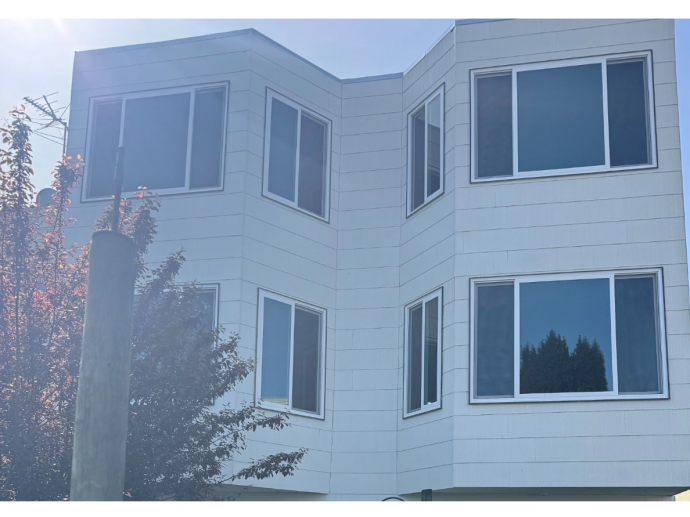
Windows are often one of the first places people look. Only the top-tier replacement windows San Francisco professionals offer can do the job alright, since older windows tend to quietly age a home more than people realize. And once you start there, the rest of the house often follows. Not because everything was wrong — because small changes can shift perception a lot more than expected.
Start With the Features You Notice Every Day
Some parts of a home you can ignore for years but you interact with some other parts constantly, whether you want to or not. Those daily-touch points matter most when trying to make a house feel newer.
Windows are an obvious one. You see them every day, even if you don’t consciously register them. If they’re foggy, difficult to open, or visually dated, the whole room absorbs that feeling.
Entry doors work the same way. They’re the first physical interaction you have with the home. If something feels off there, it sets the tone before you even step inside.
Flooring is another constant presence. You’re always looking at it, walking on it, noticing wear patterns even if you don’t name them out loud.
Lighting too. A room can feel completely different with a shift in brightness, color temperature, or fixture placement.
Paint is probably the most obvious surface-level change, but even that only works fully when the surrounding elements support it.
And then there’s hardware — handles, knobs, hinges. Small things, but strangely influential. If they feel old or worn, the whole space can inherit that feeling.
None of these elements exist in isolation. They layer on top of each other. And when enough of them feel slightly dated, the house starts to feel older than it actually is.
This is where general home improvement thinking becomes useful, since most updates fall into a larger pattern of small, cumulative upgrades rather than one dramatic transformation. It’s less about replacing everything — more about choosing the right places to reset the tone.
More Natural Light Changes Everything
If there’s one upgrade that consistently surprises homeowners, it’s light. Not paint, not furniture. Light.
Natural daylight has a way of making spaces feel immediately more open, even when nothing structural has changed. Rooms look larger. Cleaner. Less visually heavy.
Larger window openings obviously play a role here, but even within existing frames, improvements in glass quality can make a noticeable difference. Clean, modern glass lets more light pass through with less distortion. That alone can shift how a room feels during the day.
Brighter interiors tend to feel newer almost by default. It’s a strange psychological effect. Darkness hides detail, which can sometimes make spaces feel older or more enclosed. Light does the opposite — it reveals everything, but in a way that feels more alive than harsh.
There’s also the connection to outdoor space. Better daylight strengthens that visual link between inside and outside, which helps homes feel less boxed in.
Healthier indoor environments are often mentioned in the same conversation, especially when people notice mood changes or just a general improvement in how comfortable they feel spending time indoors.
In a lot of cases, improved glazing and updated window systems are a big part of achieving that balance between light and comfort.
Modern Materials Require Less Maintenance
One of the underrated reasons homes feel newer after upgrades is simple. Less upkeep.
When materials are easier to maintain, the house stays visually consistent for longer periods of time without constant effort.
Vinyl windows are a good example. They don’t require repainting in the same way older materials do, and they tend to resist weather-related wear more effectively over time.
Fiberglass performs similarly in many applications, offering durability without frequent intervention.
Modern exterior finishes are designed with weather resistance in mind, which means fewer cycles of repair, touch-ups, or seasonal fixes.
Easy cleaning also matters more than people expect. When surfaces don’t accumulate dirt or degradation quickly, the home naturally maintains a fresher appearance.
Durability is part of the equation too. Materials that age slowly help a home maintain a newer visual state long after installation. It’s not about avoiding aging entirely — it’s about slowing the visible effects of time.
Small Design Changes Create a Fresh Look
There’s a misconception that visual freshness requires big changes. It usually doesn’t. A combination of smaller updates often produces a stronger effect than one large project.
Updated trim can subtly modernize interior transitions without changing the core structure of a room. Modern hardware — handles, fixtures, fittings — can shift the overall feel in ways that are more noticeable than expected once you start interacting with them daily.
Neutral paint choices tend to refresh spaces by reducing visual clutter and allowing other elements to stand out more naturally.
Exterior improvements also play a major role in first impressions. Landscaping, lighting, minor facade updates — all of these contribute to how new a home feels from the outside before anyone steps in.
And replacement windows sit somewhere in the middle of all this. They affect both appearance and function at the same time, which is why they tend to have an outsized impact compared to purely cosmetic changes.
When several of these modest upgrades are combined, the result often feels closer to a renovation than individual projects would suggest on their own. This overlaps closely with broader curb appeal principles, where multiple small improvements work together to reshape perception.
It’s rarely one thing — it’s the accumulation of several quiet improvements happening at once.
Conclusion
Making a home feel new doesn’t always require rebuilding it. In many cases, it just means choosing the right pressure points — the features you see and use every day — and improving those first.
Windows that perform better. Rooms that receive more natural light. Materials that age more gracefully. Small design updates that quietly modernize the space without overwhelming it. None of these changes are especially dramatic on their own but together, they shift how a home feels in a way that’s hard to ignore once it happens.
And that’s usually the goal. Not a different house — just a better version of the one you already live in.
Comments
