Categories more
- Adventures (62)
- Arts / Collectables (14)
- Automotive (77)
- Aviation (65)
- Bath, Body, & Health (123)
- Children (6)
- Cigars / Spirits (71)
- Cuisine (66)
- Design/Architecture (22)
- Electronics (63)
- Entertainment (36)
- Event Planning (115)
- Fashion (45)
- Finance (10)
- Gifts / Misc (6)
- Home Decor (118)
- Jewelry (41)
- Pets (3)
- Philanthropy (1)
- Real Estate (16)
- Services (44)
- Sports / Golf (14)
- Vacation / Travel (85)
- Watches / Pens (33)
- Wines / Vines (34)
- Yachting / Boating (67)



What Makes a Prom Dress Feel Truly Elevated


Published
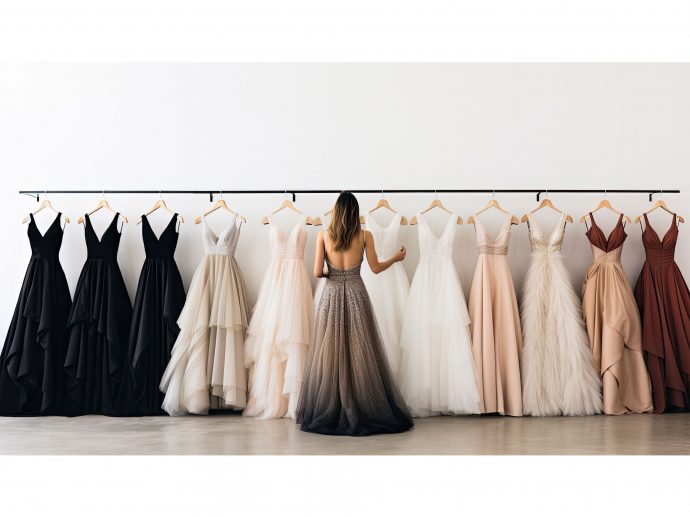
01/29/2026Some prom dresses look impressive online and feel disappointing once you try them on. Others may seem simple at first, but feel better the longer you wear them. The difference usually shows up in small details that affect comfort, movement, and how the dress holds up throughout the night. Knowing what to look for makes it easier to choose a dress that still feels good hours later, whether you’re exploring long prom gowns, short prom dresses, or ball gowns from the latest prom collection.
When the Dress Is Easy To Wear From the Start
A good prom dress should sit properly the moment you zip it up. The bodice should feel secure without squeezing or shifting when you move your arms. If you need fashion tape or constant adjusting just to feel comfortable, the fit will likely become frustrating later.
Look at how the dress stays in place when you walk around the fitting room. It should stay aligned with your body shape instead of sliding, folding, or pulling. Dresses that stay put allow you to move naturally across the dance floor without worrying about exposure or discomfort.
This is easier to find in collections designed for long events. While browsing options like Terry Costa’s prom dresses, you’ll notice many styles are made to feel supportive without feeling stiff. Options range from A-line dresses and mermaid dresses to classic evening gowns, giving plenty of choice for any special night.
Fabric That Holds Up Through Sitting and Dancing
Fabric choice impacts how a dress behaves over time. Lightweight fabrics that wrinkle easily may look fine at first, but lose their polish once you sit down or dance. Heavier fabrics can feel secure but may become uncomfortable if they trap heat or restrict movement. Elevated dresses strike a balance between structure and flexibility. Romantic lace dresses and soft chiffon finishes are good examples of materials that look luxurious while staying comfortable.
When trying on a dress, move around for a few minutes. Sit down, take a few steps, and turn side to side. The fabric should fall back into place without clinging or bunching. If it doesn’t recover its shape quickly, it may look worn by the end of the night. Photo-ready dresses are usually made from fabrics that hold up under movement and lighting.
Fabric also affects how a dress photographs. Matte or softly finished fabrics tend to look cleaner in photos than overly shiny materials. They reflect light evenly, which helps the dress look polished under different lighting conditions. Choosing formal wear in colors like light blue or hot pink can subtly elevate the look without relying on heavy embellishments.
Fit That Still Feels Comfortable Hours Later
A prom dress should fit your body shape as it is, not the version that stays perfectly still. Elevated fit means the dress stays comfortable and secure while you move. You shouldn’t need to hold the dress in place or worry about slipping straps. Fitted dresses often provide more support and a flattering silhouette if sized correctly.
Check how the dress feels when you sit. The skirt should fall naturally without pulling the bodice downward. If sitting changes how the top fits, that can lead to discomfort later on. Dresses that include a size chart or size guide make it easier to select the right fit the first time.
Length matters, too. A hem that constantly catches under your shoes becomes frustrating quickly. The right length lets you walk naturally without lifting the dress every few steps. That ease makes a bigger difference than most people expect. Classic options like a little black dress or gowns with cowl necks offer both comfort and elegance.
Details That Make the Dress Easier To Wear
Details should serve a purpose. Slits should allow easier movement, not create awkward walking moments. Beading or lace should follow the lines of the dress, not interrupt them. Subtle embellishments from a glam collection can make a dress feel glammed up without weighing it down.
Look at where embellishments are concentrated. Heavy detail on high-movement areas can feel uncomfortable and restrict motion. Pearl jewelry or small accents can complement a dress without adding bulk, keeping the outfit polished and trendy sophistication intact.
A dress with fewer, well-placed details often looks more refined than one covered in decoration. It’s easier to style, easier to photograph, and easier to wear for long periods. Checking instant exchange policies ensures you can swap styles if something doesn’t feel right.
How the Dress Feels Toward the End of the Night
The true test of a prom dress comes later in the evening. After hours of movement, the dress should still feel secure and comfortable. If discomfort builds over time, it usually comes from poor fit or fabric choice.
Pay attention to pressure points like the waist, shoulders, and neckline. These areas tend to cause issues first. A dress that feels comfortable in these spots early on usually stays comfortable longer.
When the dress continues to feel good, you stay focused on the night instead of your outfit. That ease makes the entire experience more enjoyable, especially if you appreciate the finer things in life, and it shows in photos and body language.
Wrapping It Up
Choosing an elevated prom dress comes down to paying attention to how it fits, moves, and feels over time. Dresses that stay comfortable while sitting, walking, and dancing tend to feel better overall. Fabric, fit, and small details all play a role in that experience. When a dress works well from the moment you put it on until the night ends, it becomes much easier to enjoy the moment.
Comments
