Categories more
- Adventures (62)
- Arts / Collectables (14)
- Automotive (77)
- Aviation (65)
- Bath, Body, & Health (123)
- Children (6)
- Cigars / Spirits (71)
- Cuisine (66)
- Design/Architecture (22)
- Electronics (63)
- Entertainment (36)
- Event Planning (115)
- Fashion (45)
- Finance (10)
- Gifts / Misc (6)
- Home Decor (118)
- Jewelry (41)
- Pets (3)
- Philanthropy (1)
- Real Estate (16)
- Services (44)
- Sports / Golf (14)
- Vacation / Travel (85)
- Watches / Pens (52)
- Wines / Vines (34)
- Yachting / Boating (67)



What “Notice” Means in Slip and Fall Cases — and How It’s Proven

Published
01/05/2026Slip and fall accidents often seem straightforward at first. Someone slips on a wet floor, trips over a hazard, or falls because a surface wasn’t maintained properly. But when an injury claim is filed, property owners and insurance companies almost always raise the same defense: we didn’t know the hazard was there. This is where the concept of “notice” becomes critical.
In slip and fall cases, proving that a property owner had notice of a dangerous condition is often the difference between a denied claim and full compensation. Notice connects the hazard to responsibility. Without it, property owners may argue that the condition appeared too suddenly for them to fix. Understanding what notice means—and how it’s proven—helps explain why evidence and timing matter so much in these cases.
What “Notice” Actually Means In Legal Terms
Notice refers to whether a property owner knew—or should have known—about a dangerous condition on their property before the accident occurred. The law does not require owners to prevent every possible accident, but it does require them to address hazards they are aware of or reasonably should be aware of.
There are two main types of notice: actual notice and constructive notice. Actual notice means the owner truly knew the hazard existed. Constructive notice means the hazard existed long enough, or was obvious enough, that the owner should have discovered and fixed it through reasonable inspections.
Actual Notice: When The Owner Knew About The Hazard
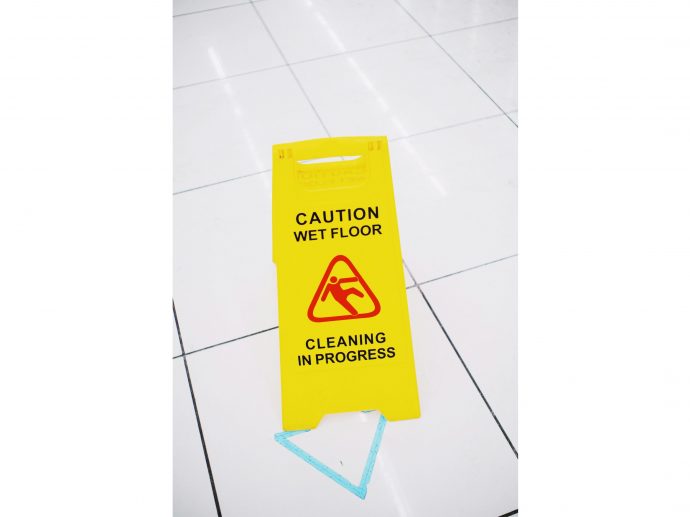
Actual notice exists when a property owner or employee is directly aware of the dangerous condition. This could happen if an employee saw the spill, received a complaint, or caused the hazard themselves. For example, if a worker mopped a floor and failed to place warning signs, the business clearly knew the floor was wet.
Maintenance logs, employee statements, emails, incident reports, and internal communications can all help prove actual notice. If the hazard was reported before the fall or created by staff, the owner cannot credibly claim they were unaware of the danger.
Constructive Notice: When The Owner Should Have Known
Constructive notice is more common—and more disputed—in slip and fall cases. It applies when a hazard existed for a long enough period that a reasonable property owner should have discovered and corrected it. The law assumes that owners have a duty to inspect and maintain their premises.
For example, a puddle that has dirt tracks, footprints, or spread-out edges may indicate it was there for some time. Cracked pavement, broken steps, loose tiles, or worn flooring often develop gradually, making it unreasonable for owners to claim ignorance. The condition itself can become evidence of how long the hazard existed.
Why Notice Is The Central Battle In Slip And Fall Claims
Property owners rarely admit fault immediately. Instead, they often argue the hazard appeared moments before the fall and there was no reasonable opportunity to fix it. This defense shifts focus away from the injury and onto timing.
In the middle of many slip and fall disputes, proving notice becomes the main legal challenge. This is where working with experienced slip and fall lawyers can make a difference, because gathering evidence that shows how long a hazard existed—or that it was repeatedly ignored—often requires investigation beyond what’s visible at the scene.
How Surveillance Footage Helps Prove Notice
Video footage is one of the strongest tools for proving notice. Many businesses have security cameras that capture walkways, aisles, entrances, and parking lots. Footage may show when a spill occurred, how long it remained unattended, or whether employees walked past it without taking action.
Surveillance can also contradict claims that inspections were performed regularly. If a store claims hourly checks but video shows no employee entered the area for hours, constructive notice becomes easier to prove. The key is acting quickly, since video footage is often deleted within days.
Inspection Logs And Maintenance Records Matter
Businesses often rely on inspection logs to argue they acted responsibly. These records can help—or hurt—the defense. If logs show inspections were skipped, rushed, or falsified, they may support a finding of constructive notice. If logs are missing altogether, that absence can also work against the property owner.
Maintenance records may also reveal recurring issues, such as frequent leaks, poor drainage, or long-standing structural problems. A hazard that keeps returning suggests the owner knew about the danger and failed to fix it permanently.
Witnesses Can Establish How Long The Hazard Existed
Witness testimony can play a major role in notice cases. Other customers, employees, or residents may have seen the hazard earlier or nearly fallen themselves. Statements like “that spill was there for a while” or “someone almost slipped earlier” can support constructive notice.
Employees are especially important witnesses. Even if they deny knowing about the hazard, prior complaints or internal reports may contradict their statements. Witness accounts often help fill the time gap when direct video evidence is unavailable.
Photos And Physical Evidence Tell A Time Story
Photographs taken after a fall can still help prove notice. Details like dried edges, debris buildup, discoloration, or damage patterns can suggest the hazard existed longer than claimed. Footprints, cart tracks, or smudges may show that others encountered the hazard before the fall.
Even structural hazards—like broken handrails, uneven steps, or loose mats—often show signs of long-term wear. These physical clues help show that the danger wasn’t sudden or unforeseeable.
What Happens If Notice Cannot Be Proven
If neither actual nor constructive notice can be established, the case becomes more difficult—but not always impossible. Some situations involve hazards created directly by the owner or their employees, which may eliminate the need to prove notice. Other cases may involve violations of safety codes that shift responsibility.
Still, notice remains the foundation of most slip and fall claims. That’s why evidence preservation and early investigation are so important. The longer a case waits, the more likely critical proof disappears.
Proving Notice Is About Showing Responsibility, Not Blame
Notice in slip and fall cases is about fairness. Property owners aren’t expected to prevent every accident—but they are expected to address dangers they know about or should reasonably discover. Proving notice shows that the injury wasn’t bad luck, but the result of a preventable hazard that went ignored.
The strongest slip and fall cases are built early, with clear evidence that connects the hazard to time, awareness, and responsibility. When notice is proven, accountability follows—and injured victims have a clearer path toward fair compensation.
Comments
