Categories more
- Adventures (62)
- Arts / Collectables (14)
- Automotive (77)
- Aviation (65)
- Bath, Body, & Health (123)
- Children (6)
- Cigars / Spirits (71)
- Cuisine (66)
- Design/Architecture (22)
- Electronics (63)
- Entertainment (36)
- Event Planning (115)
- Fashion (45)
- Finance (10)
- Gifts / Misc (6)
- Home Decor (118)
- Jewelry (41)
- Pets (3)
- Philanthropy (1)
- Real Estate (16)
- Services (44)
- Sports / Golf (14)
- Vacation / Travel (85)
- Watches / Pens (33)
- Wines / Vines (34)
- Yachting / Boating (67)


What to Consider Before Choosing Suit Hire for an Event


Published
02/01/2026Suit hire can feel deceptively simple at first. You pick a style, choose a size, and assume everything will come together on the day. In reality, small details like fit, fabric weight, lead time, and event expectations can change how the suit looks and feels once you’re wearing it. When those details are overlooked, the result often feels uncomfortable or out of place.
The experience also depends heavily on how the process is handled. Rushed fittings, limited options, or unclear timelines can add pressure, especially when the event already carries its own stress. Taking time to understand what actually matters helps avoid last-minute fixes and awkward compromises.
The sections below walk through the practical things you should consider before choosing suit hire, so you can make confident decisions on event day.
Define the Event Requirements Clearly
First, lock in the dress code. A formal charity dinner, a bridal event, and a business awards night all demand different levels of formality. Some occasions require a classic tuxedo rental, while others allow flexibility with modern formal wear options. Clarify whether the event calls for black tie, semi-formal, or a more relaxed approach before browsing styles.
Event timing is also important. Wedding season and busy social calendars can limit availability sooner than expected, especially for popular styles and sizes. If you’re part of a wedding party, coordination becomes essential. Groomsmen suits should align in color, fabric, and overall formality, even when fits vary from person to person. Setting those expectations early helps keep the look cohesive and avoids unnecessary pressure closer to the event.
Research Suit Hire Providers Carefully
Suit hire services can vary widely in how they operate. Some are built for speed, while others focus more on fit, guidance, and overall experience. The difference usually shows in how much attention you receive during fittings and how flexible the options feel. Ideally, you should work with reputable providers like Suit Vault, as they have proper fittings, thoughtful styling, and a curated selection designed for different event types.
Location and accessibility also count. Easy pick-up and return processes reduce pressure, especially if your schedule runs tight. If you’re coordinating with out-of-town groomsmen or managing multiple event groups, ask how fittings and logistics are handled across different timelines.
Assess Fit and Measurement Accuracy
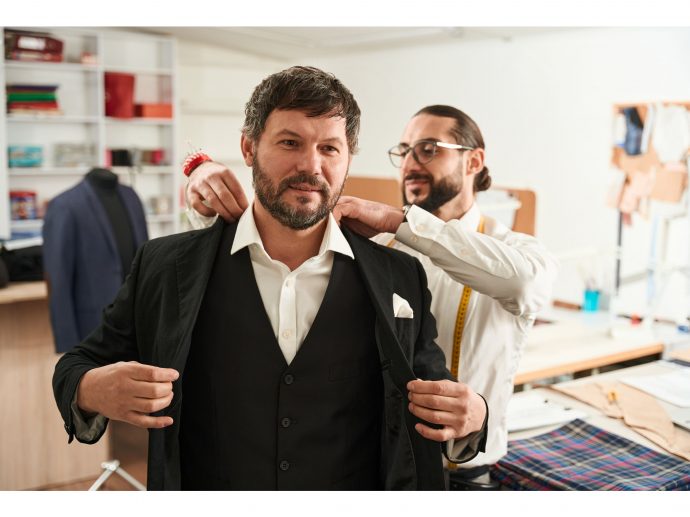
Fit determines whether a suit looks polished or awkward. Even high-quality formal wear falls flat if the proportions are off. Ask how measurements are taken and adjusted. Some services rely on digital fit tools or a fit survey, while others prefer in-person fittings with tailoring services available.
A slim fit can look sharp, but only when it suits your body shape and movement. You should feel comfortable sitting, standing, and walking without pulling or restriction. If home try-on or virtual try-on options are available, use them to test sizing before the final commitment. The more accurate the fit process, the less you’ll worry on event day.
Evaluate Fabric Quality and Comfort
Suit fabric affects comfort, breathability, and overall appearance. Ask about material options and seasonal suitability. Lightweight fabrics work better for warm venues, while structured materials hold shape in cooler settings. Access to fabric swatches helps you understand texture and weight before deciding.
Details like wool-silk blends or Italian fabrics often signal better drape and durability, but comfort should always come first. If the suit feels stiff or heavy during a fitting, it’ll feel worse after hours of wear. Quality fabric supports a clean silhouette without sacrificing ease of movement.
Confirm Styling and Customization Options
Your suit should align with the event’s tone and your personal style. Ask what customization options are available, from lapel styles to color choices. Some occasions allow bolder looks, while others call for restraint, and certain settings may suit structured three-piece designs often associated with Peaky Blinders style. A custom suit approach within a hire model gives you flexibility without the full purchase commitment.
Shirt pairing, tie selection, and shoe coordination also complete the look. If styling advice is included, take advantage of it. Expert input helps avoid mismatched elements that distract from an otherwise solid outfit.
Review Timing, Pick Up, and Returns
Logistics often cause the most stress. Confirm when your suit will be ready and how early you can pick up the garments. Early access allows time to spot fit issues and request adjustments. Waiting until the day before a big event leaves no room for fixes.
Ask about the return policy upfront. Understand deadlines, grace periods, and penalties for late returns. A clear return policy protects you from surprises, especially if travel or schedule changes occur. If garment laundering is included, confirm how it’s handled after use.
Prepare for Final Fitting and Event Day
Treat the final fitting as a checklist moment. Try everything on together, including shoes and accessories. Move around, sit down, and check sleeve and pant lengths. Confirm that all items are present and ready.
On event day, you shouldn’t be thinking about your suit at all. The right preparation ensures your attention stays where it belongs.
Takeaway
Suit hire should support the event, not add pressure to it. When fit, fabric, timing, and coordination are handled early, the entire experience feels easier and more predictable. Taking time to ask clear questions, confirm details, and understand the process helps avoid last-minute fixes and uncomfortable compromises. When everything is handled properly, the suit feels natural to wear and doesn’t distract from the event itself.
Comments
