Categories more
- Adventures (75)
- Arts / Collectables (24)
- Automotive (81)
- Aviation (75)
- Bath, Body, & Health (141)
- Children (52)
- Cigars / Spirits (85)
- Cuisine (93)
- Design/Architecture (34)
- Electronics (68)
- Entertainment (47)
- Event Planning (120)
- Fashion (71)
- Finance (16)
- Gifts / Misc (12)
- Home Decor (131)
- Jewelry (64)
- Pets (5)
- Philanthropy (5)
- Real Estate (37)
- Services (61)
- Sports / Golf (41)
- Vacation / Travel (148)
- Watches / Pens (77)
- Wines / Vines (39)
- Yachting / Boating (83)



What to Know Before Getting Botox Treatments

Published
03/18/2026Do you wish your wrinkles would go away, but are unsure about Botox treatments? Botox is a popular cosmetic procedure used to reduce the look of fine lines. This blog will share what you need to know before getting these injections, including side effects and how to prepare.
Ready to learn more about safe and smooth skin?
What is Botox and How Does it Work?
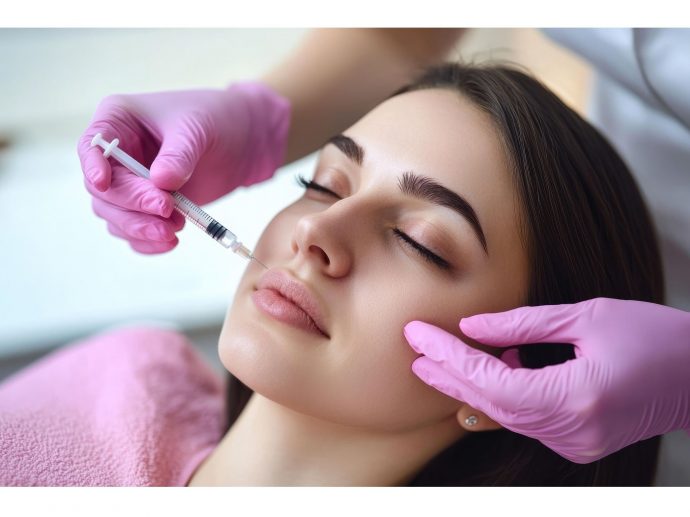
After understanding the basics, it helps to know what happens during Botox treatments. Botox is a cosmetic procedure that uses injections of botulinum toxin. Doctors first used Botulinum toxin in the late 1970s for medical purposes like treating eye muscle problems.
In 2002, the FDA approved Botox for wrinkle reduction and skin rejuvenation.
Botox works by blocking nerve signals to muscles under your skin. This stops those muscles from tightening or moving as much, so wrinkles soften over time. Many choose this treatment to smooth crow’s feet or frown lines on their forehead.
Results usually appear within three days and can last about three to four months before fading.
Key Things to Know Before Getting Botox
Many people report high satisfaction with their wrinkle reduction treatment, noting visible improvements after just a few days.
Botox treatments can change how your skin looks, but there are some facts you should learn first. Knowing what to expect helps you make safe choices about this popular cosmetic procedure.
Botox doesn’t erase wrinkles permanently
Botox offers a temporary solution for wrinkles. The treatment relaxes the muscles that cause lines and creases. This does not mean it gets rid of them forever. Over time, the effects wear off, and wrinkles can return.
Patients typically need to repeat treatments every three to six months to maintain results. Botox helps reduce the appearance of fine lines but is not a permanent fix. It works well for those looking for short-term options in skin rejuvenation and wrinkle reduction.
Results are temporary
Botox results are not permanent. The effects usually last three to six months. After that, the muscles gradually return to normal movement. This means wrinkles can come back over time. To maintain a smooth appearance, many people choose follow-up treatments.
Regular visits help keep skin looking fresh and youthful. Each treatment is a chance for improvement. It’s important to plan ahead for future appointments if you want to continue seeing results from this aesthetic treatment.
Some pain and bruising may occur
Results are temporary, and some pain and bruising may occur. After the injection, you might feel a slight sting or discomfort at the treatment site. This is normal and usually goes away quickly.
Bruising can happen because needles penetrate the skin. It's often minor but can take a few days to fade away. Keep in mind that everyone's skin reacts differently, so your experience may vary.
Certain medications can interact with Botox
Some pain and bruising may occur. Certain medications can interfere with Botox treatments. Blood thinners, for example, can increase the risk of bruising. Antibiotics may also affect how your body responds to the injections.
Be open with your provider about all the medications you take. This includes over-the-counter drugs and supplements, too. Sharing this information helps ensure a safe treatment experience.
Your doctor can guide you on what to avoid before getting Botox.
Preparing for Your Botox Appointment
Before your Botox appointment, avoid drinking alcohol and caffeine. Talk with your provider about your medical history to ensure a safe treatment.
Avoid alcohol and caffeine beforehand
Many people are now seeking botox in St. Catharines for its effectiveness in achieving a youthful appearance.
Avoid alcohol and caffeine before your Botox appointment. These substances can lead to more bruising and swelling after the treatment. Alcohol thins the blood, making you more likely to bleed during injections. Caffeine may increase anxiety, making you feel jittery.
Stay clear of these drinks for at least 24 hours prior to your session. This simple step can help make your experience smoother and reduce unwanted side effects like pain or bruising later on.
Focus on hydration with water instead.
Discuss your medical history with your provider
After you avoid alcohol and caffeine, the next step is to discuss your medical history with your provider. Share any past health issues or allergies. This information helps them determine if Botox is safe for you. Certain medications can interact with Botox treatments, so it’s crucial to mention what you take regularly.
Being open about your health allows for better care. Your provider can give advice based on your unique medical background. They will make sure that Botox treatments align with your health needs and cosmetic goals.
Aftercare Tips for Botox
After your Botox treatment, do not touch or rub the area. Stay away from heavy exercise right after the procedure to help with healing.
Do not touch or rub the treated area
Do not touch or rub the treated area after your Botox injections. This can cause irritation and increase swelling. It may also shift the Botox to an unwanted spot. Keep your hands away for at least 24 hours after treatment.
Let your skin heal well. Touching might lead to bruising or redness, which could last longer than normal. Follow these simple steps to ensure you get the best results from your cosmetic procedure. Proper care helps improve recovery and reduces any side effects like pain or discomfort.
Avoid strenuous activities immediately after treatment
Following the advice on touching or rubbing the treated area, it’s key to avoid strenuous activities right after your Botox treatment. Intense exercise can increase blood flow and may lead to bruising. Strain on your body can also affect how Botox settles in your skin.
Take a break from heavy workouts for at least 24 hours. Light walking is fine, but skip high-impact sports or vigorous gym sessions. This helps ensure your results are smooth and effective while reducing potential pain or discomfort during recovery.
Risks and Side Effects of Botox
Botox treatments can have risks and side effects. Some people may feel pain at the injection site. This pain is usually mild but can last for a short time. Bruising may also happen, which can take days to heal. Other common effects include swelling or redness in the treated area.
Serious side effects are rare but possible. Allergic reactions can occur, causing itching or rashes on your skin. Sometimes, Botox can cause temporary weakness in nearby muscles. It’s vital to discuss your health history and any medications before getting treatment to minimize these risks.
After understanding these concerns, consider how you will care for yourself following the procedure with proper aftercare tips for Botox appointments.
Conclusion
Getting Botox can be thrilling. It helps reduce wrinkles and gives skin a fresh look. Keep in mind, results are not permanent. Side effects like bruising or pain can occur. Always follow your provider's guidance before and after your treatment to ensure the best experience.
Comments
