Categories more
- Adventures (62)
- Arts / Collectables (14)
- Automotive (77)
- Aviation (65)
- Bath, Body, & Health (123)
- Children (6)
- Cigars / Spirits (71)
- Cuisine (66)
- Design/Architecture (22)
- Electronics (63)
- Entertainment (36)
- Event Planning (115)
- Fashion (45)
- Finance (10)
- Gifts / Misc (6)
- Home Decor (118)
- Jewelry (41)
- Pets (3)
- Philanthropy (1)
- Real Estate (16)
- Services (44)
- Sports / Golf (14)
- Vacation / Travel (85)
- Watches / Pens (33)
- Wines / Vines (34)
- Yachting / Boating (67)



When a Breakout Needs More Than a Spot Patch: What You Should Know About Fast Acne Fixes

Published
08/28/2026New York City has no patience for slow beauty routines. Between long workdays, packed trains, late dinners, and camera-ready social lives, skin issues tend to feel extra visible here. If you’re dealing with a swollen breakout before an event or a big meeting, quick treatment options can seem very appealing. The trick is knowing what actually helps, what only sounds impressive, and where speed fits into smart skin care.
Why Some Pimples Seem to Appear Overnight
You’ve probably noticed that not all acne behaves the same way. A tiny whitehead can sit quietly for days, while a deep, angry bump can seem to rise out of nowhere and claim half your face by morning. Those larger blemishes often form under the skin, where oil, bacteria, dead skin cells, and inflammation create pressure. That pressure is what makes them feel tender, swollen, and impossible to ignore.
Stress, hormones, friction from masks or hats, sweaty workouts, and inconsistent skin care can all make these breakouts more likely. In a city setting, pollution and humidity can also complicate things.
When Professional Help Makes Sense
A single breakout doesn't always call for a clinic visit. Still, there are moments when professional care is reasonable. If you've got a painful cystic bump before an important event, or if your acne often leaves dark marks and scarring, seeing a qualified provider can be practical rather than dramatic. There's a difference between vanity and wanting your skin to heal with less collateral damage.
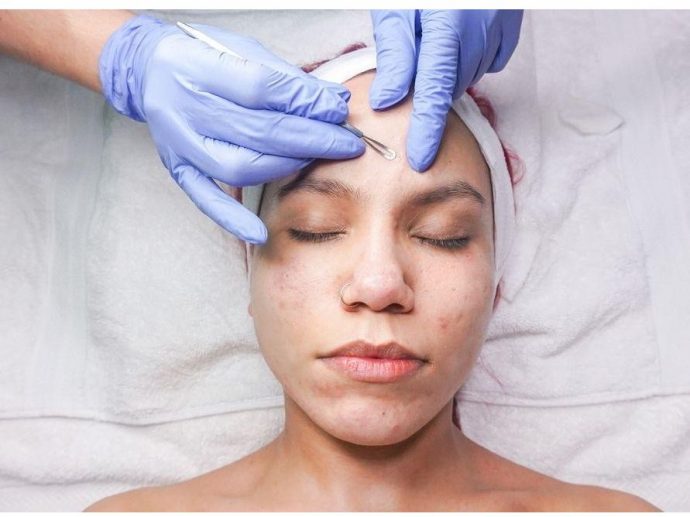
Dermatology offices and medical skin clinics may offer targeted treatments for inflamed acne lesions. A cortisone injection placed directly into a large swollen blemish brings the inflammation down within a day, and it has to be administered by a medical professional rather than attempted at home. If you are looking for a good provider of pimple shots NYC has clinics that handle these injections safely and on short notice.
What “Fast Acne Treatment” Actually Means
When you’re desperate for a breakout to shrink, fast treatment usually means reducing inflammation, not magically erasing a pimple in an hour. That distinction matters. Many same-day or next-day improvements come from calming swelling so the blemish looks flatter and less red. You’re managing the drama, not rewriting biology.
At home, that might involve ice, benzoyl peroxide, salicylic acid, hydrocolloid patches, or a sulfur treatment. Those can help, especially on surface-level blemishes. Deep cystic pimples are another story. They often don’t respond quickly to drugstore products because the inflammation sits below the skin. If you keep poking, squeezing, or layering five active ingredients like a skin-care chemist gone rogue, you can end up with more redness and a longer healing time.
What a Cortisone Shot for Acne Can and Can’t Do
A cortisone shot can reduce inflammation in a large cystic blemish pretty quickly, sometimes within 24 to 48 hours. That speed is the main appeal. If a deep pimple is painful and prominent, shrinking it can make you more comfortable and may lower the urge to attack it with your fingernails in the mirror under unforgiving bathroom lighting.
Still, this option isn’t meant for every zit. It’s generally used for larger inflamed pimples, not scattered blackheads or routine mild acne. It also isn’t a long-term acne plan. Think of it as a tactical move, not a season strategy. If overused or done poorly, cortisone injections can carry risks such as temporary skin indentation or discoloration. That’s one reason provider experience matters. Fast results are great. Weird texture changes are much less charming.
How to Judge Whether a Clinic Is Worth Your Time
If you’re considering treatment, don’t choose a clinic based only on glossy photos and a sleek waiting room. You want medical oversight, clear explanations, realistic expectations, and proper hygiene standards. Check whether the provider has experience treating acne lesions specifically, not only offering general cosmetic services. A place that rushes you through consent or downplays side effects should raise eyebrows immediately.
It helps to ask practical questions: Who performs the treatment? What kind of acne lesion is appropriate for it? How quickly do results usually show? What are the risks for your skin tone and acne history? Cost matters too, especially in NYC, where convenience can carry a luxury markup worthy of a Broadway ticket. A trustworthy clinic won’t promise perfection. It will tell you whether your breakout is actually a good candidate for treatment.
Smart Aftercare Matters More Than You Think
Once an inflamed pimple starts to flatten, your job is to avoid sabotaging the progress. Don’t pick at it because it looks “almost ready.” That phase is exactly where many people turn one bad breakout into a lingering mark. Keep your routine gentle for a day or two unless your provider says otherwise. Use a mild cleanser, non-comedogenic moisturizer, and daily sunscreen, especially if you’re prone to post-inflammatory hyperpigmentation.
If you use acne actives like retinoids, benzoyl peroxide, or acids, don’t pile them on aggressively just because the blemish is improving. Skin loves consistency more than panic. Also, pay attention to patterns. If you regularly get deep breakouts around your jawline, cheeks, or before your period, you may need a broader treatment plan. One emergency fix can be useful, but repeat flare-ups usually signal a bigger acne-management issue.
The Bigger Picture: Quick Fixes Work Best With a Long-Term Plan
Rapid treatments can absolutely have a place in modern skin care, especially when you’ve got a painful cyst and zero interest in waiting a week for it to calm down. Even so, the best skin results usually come from prevention. That may involve prescription retinoids, hormonal treatment, benzoyl peroxide washes, dietary observations, professional facials designed for acne-prone skin, or simply stopping a product lineup that’s irritating your face into rebellion.
Try to think in layers. A quick in-office treatment helps with the immediate problem. A long-term routine addresses the reason the problem keeps showing up. If you live in a city like New York, where appearance, pace, and stress all collide daily, that balanced approach makes a lot of sense. Your skin doesn’t need miracles. It needs fewer bad decisions, smarter timing, and care that treats acne like a medical issue instead of a random cosmetic inconvenience.
Comments
