Categories more
- Adventures (62)
- Arts / Collectables (14)
- Automotive (77)
- Aviation (65)
- Bath, Body, & Health (123)
- Children (6)
- Cigars / Spirits (71)
- Cuisine (66)
- Design/Architecture (22)
- Electronics (63)
- Entertainment (36)
- Event Planning (115)
- Fashion (45)
- Finance (10)
- Gifts / Misc (6)
- Home Decor (118)
- Jewelry (41)
- Pets (3)
- Philanthropy (1)
- Real Estate (16)
- Services (44)
- Sports / Golf (14)
- Vacation / Travel (85)
- Watches / Pens (33)
- Wines / Vines (34)
- Yachting / Boating (67)



When Did the Grandaddy Purple Strain Become A Marketing Success Story?

Published
08/12/2026While some cannabis strains remain restricted to their own niche audiences, only known to growers and devoted aficionados, others find themselves making that big step forward into something more mainstream and become recognizable brands even among those not familiar with the cannabis culture.
This transition is seldom achieved by chance. Most often, such strains owe their success to having all the right ingredients, a striking visual presence, a stable flavor profile, good cultural timing, and, most importantly, a type of word of mouth awareness that lasts for years and not months.
One of the most prominent examples of a strain that has reached that level is Granddaddy Purple, which went from a regional strain cultivated in California to one of the most recognizable cannabis strains today.
Read further to learn more about when Grandaddy Purple became a successful brand.
- Rooted In a Formative Era of Cannabis Culture
Grandaddy Purple strain originated from the San Francisco Bay Area in California, first cultivated in the early 2000s by a California breeder seeking to produce a strain that combines legitimate medical benefits with a personality that would make it unforgettable.
That timing is not coincidental. The California medical cannabis movement was in its early stages and had the ability to define which strains would become popular across the country. Joining at this early stage helped Granddaddy Purple secure a place that other regional strains struggle to attain.
- A Name and Appearance That Practically Marketed Themselves
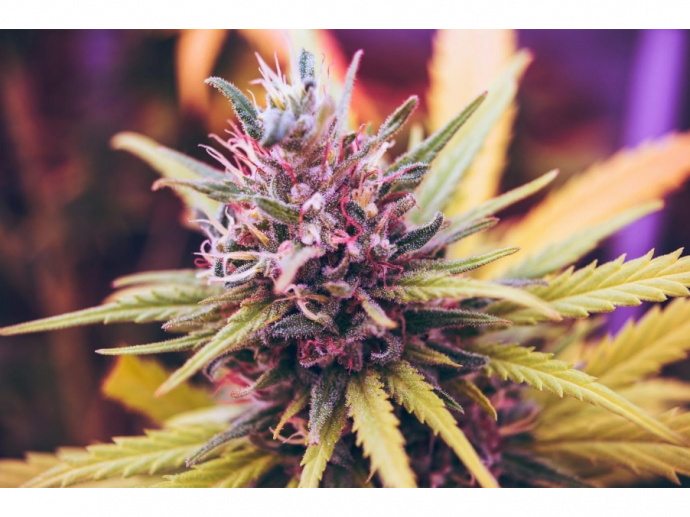
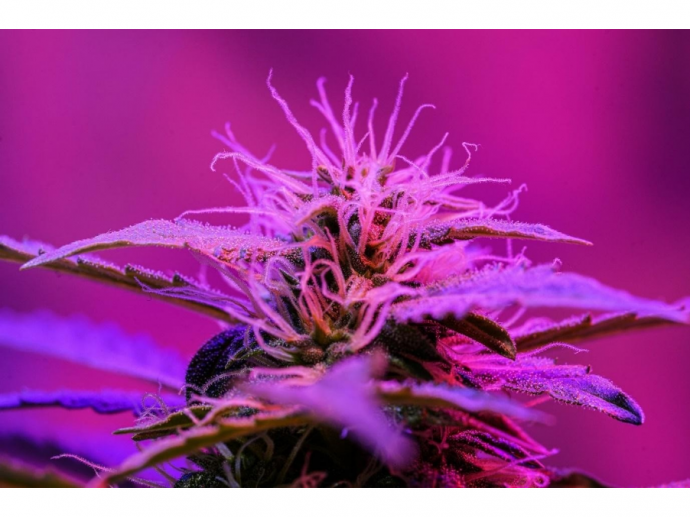
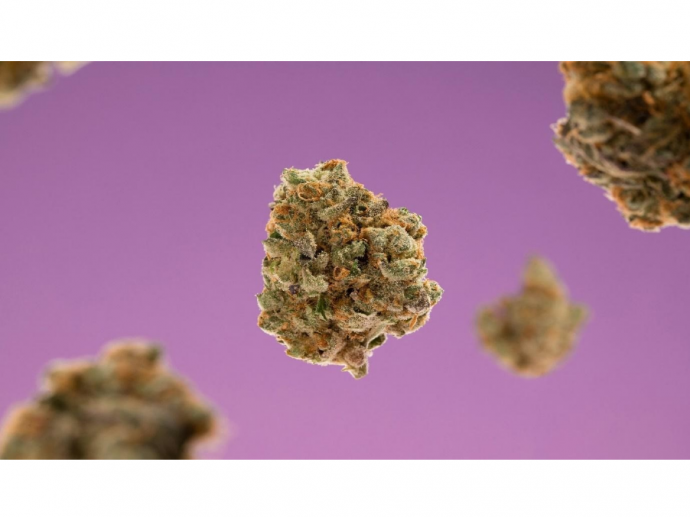
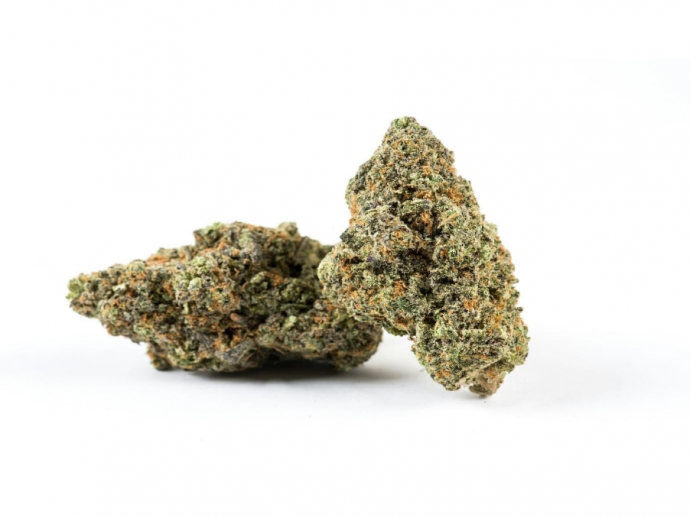
Not many strains can market themselves through branding as Grandaddy Purple did. This is because the name itself guaranteed all that the flowers promised, deep purple color combined with bright orange hairs and thick layers of white trichomes. Such a strain practically didn’t require any further explanation, as the name and its characteristics complemented one another visually.
Customers didn’t need any further description of the strain to know what they were getting, as the color itself conveyed the message perfectly well. This made it very easy to market the strain, since the visual guarantee was evident upon opening each jar.
- Visual Distinctiveness in a Market Full Of Similar Green Flowers
The sale of cannabis is already an aesthetically competitive market, and up until recent years, all the different types of flowers sold were quite alike when viewed by a potential customer shopping along rows of green jars.
Purple cannabis flower, however, distinguished itself from other strains due to its unique color, making it easier for retailers to use as a marketing tool and allowing customers to recognize a particular strain of cannabis even before looking at any labels.
Such immediate visual recognition is hard to achieve through advertising efforts alone, and therefore, the naturally occurring distinguishing factor became a real competitive edge rather than just a marketing one.
- Rising Demand for Relaxing, Evening-Focused Effects
With the development of the medicinal and then recreational markets, consumers became more interested in strains that had relaxing qualities and would be able to help them fall asleep rather than just having a high. The fact that Granddaddy Purple is an indica-dominant strain made it well-suited to the demands of consumers at the time.
The alignment between consumer demand and the strain's effects ensured its success. It was not a temporary success but rather rooted in consumers' real needs. With consumers preferring strains that help them unwind at night, the strain became popular for a long time.
- Strain Branding Becoming a Retail Strategy
Cannabis retail eventually shifted from selling flower by category alone toward selling flower by recognizable strain name, treating certain cultivars almost like consumer brands in their own right. Grandaddy Purple was well positioned for that shift, since it already carried award recognition and a distinctive identity before strain based branding became a standard retail approach.
Dispensaries and later online retailers found it easier to market a strain that already had built-in recognition rather than educating buyers from scratch.
- Word of Mouth and Cultural Reach beyond the Dispensary
Not only did recognition extend far outside the regular cannabis scene, but the strain gained its notoriety through competition victories and references related to other popular culture elements such as the use of the strain by artists in hip hop music.
The cultural approval had more influence than any formal advertisements and helped build a positive image through word-of-mouth references.
- Adaptability across Formats Extended Its Commercial Life
A strain’s commercial viability may become redundant quickly if it is only available in one product form. In the case of Grandaddy Purple, however, it was possible to market the strain in flower form, as pre-rolls, concentrates, and ultimately vapes, ensuring that the name remained relevant as the market expanded beyond flower-only products. The strain itself was also used to produce hybrid varieties of other strains.
Final Thoughts
The development of Grandaddy Purple into a successful marketing story did not hinge on a single event, but rather on a gradual buildup that involved victories in early competitions, a name and look that complemented each other, appropriate timing in relation to consumers' need for relaxing strains, and years of organic culture-building.
These factors made it possible for a locally grown strain in California to become commercially relevant, and it was a rare case of authentic cannabis branding not artificially created by marketing efforts.
Comments
