Categories more
- Adventures (105)
- Arts / Collectables (29)
- Automotive (88)
- Aviation (88)
- Bath, Body, & Health (183)
- Children (62)
- Cigars / Spirits (116)
- Cuisine (160)
- Design/Architecture (74)
- Electronics (93)
- Entertainment (54)
- Event Planning (134)
- Fashion (173)
- Finance (19)
- Gifts / Misc (49)
- Home Decor (179)
- Jewelry (133)
- Pets (33)
- Philanthropy (6)
- Real Estate (110)
- Services (68)
- Sports / Golf (56)
- Vacation / Travel (375)
- Watches / Pens (98)
- Wines / Vines (75)
- Yachting / Boating (119)



Whiskey and Cigars: The Modern Connoisseur's Pairing Guide

Published
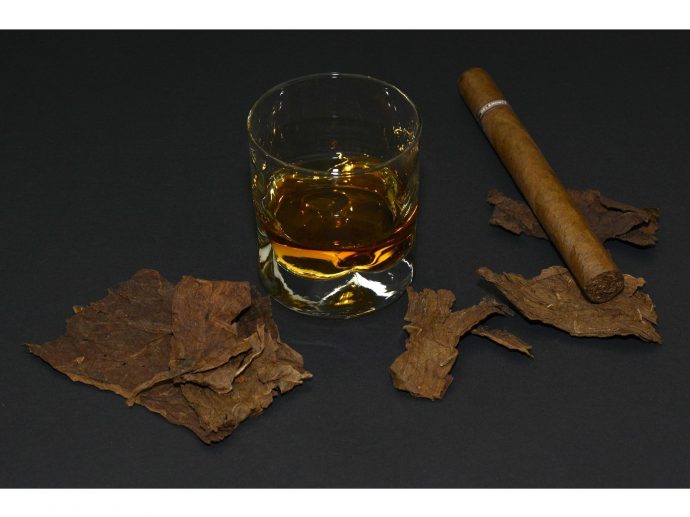
07/16/2026There are pairings that entertain, and there are pairings that endure. Whiskey and a cigar sit firmly in the second category. Few combinations have earned their place in the pantheon of grown-up rituals quite as convincingly, and few have adapted quite so gracefully to the modern era.
The reasons are not sentimental. They are sensory. A well-chosen whiskey brings warmth, structure, and a defined finish. A well-made cigar brings weight, aromatics, and a slow-building complexity. Put together thoughtfully, they extend each other rather than compete. The pairing is a conversation, not a shout.
What follows is a practical connoisseur's guide to how the modern whiskey drinker should think about the pairing. The whiskey categories, the cigar profiles that meet them, and the setting in which the ritual actually earns its reputation.
Why the Pairing Works
Whiskey and cigar share more than a room. They share a production philosophy. Both begin with an agricultural raw material — grain in one case, tobacco leaf in the other — that has been carefully cultivated, harvested, aged, and blended. Both are shaped as much by time as by technique. And both reward slower consumption over faster.
The pairing works because the two products meet on similar terms. A cigar burns for anywhere from twenty minutes to well over an hour. A well-poured whiskey opens up over roughly the same window. The rituals are aligned. That alignment is why the pairing has held its ground while faster luxuries have come and gone.
Understanding the Language
The mistake most beginners make is treating whiskey as a single thing and cigars as another. Both categories are broad, and the pairing decisions live inside the categories, not between them.
Whiskey breaks into several worlds. Bourbon, made primarily from corn, tends to lean sweeter and richer, with notes of caramel, vanilla, and darker fruit. Scotch whisky, especially single malt, ranges widely from mellow and fruit-forward to smoky and coastal. Rye whiskey leans spicier and drier. Irish whiskey often falls somewhere between bourbon and Scotch, with an approachable, warm profile. Japanese whisky, in the modern era, has established itself as its own category, often delicate and precise.
Cigars break similarly. Wrapper leaf drives much of the flavor, and the tobacco blend inside determines the body. A natural tobacco leaf wrapper gives you warmth and aromatic depth. An American Blend of Virginia, Oriental, and Burley leaf produces a mellow, naturally aromatic profile. A dipped cigar — where a spirit like cognac or rum is worked into the tobacco during production — brings a second layer of warmth that shifts the pairing conversation entirely.
The pairings that follow are matched on temperament. What the whiskey is doing, and what the cigar is doing, in the same window.
The Pairings
1. Bourbon with a Cognac-Dipped Cigar
Bourbon's caramel and vanilla profile finds a natural partner in a cognac-dipped cigar. The two share sweetness in their DNA, but each expresses it differently — bourbon through the corn and the char of the barrel, the cigar through the wrapper leaf and the cognac worked into the blend. Together they create a pairing that reads as classically American and quietly refined at the same time. A Kentucky bourbon at cask strength, poured neat, alongside a cognac-dipped cigarillo, is a genuinely modern take on an old ritual.
2. Single Malt Scotch with a Natural American Blend
A mellow, fruit-forward Highland or Speyside single malt calls for a cigar that will not fight it. This is where a natural American Blend cigar earns its keep. The Virginia, Oriental, and Burley combination is naturally aromatic without being sharp, and it lets the whisky stay in the foreground where a good Scotch belongs. For the peated Islay drinker looking for something more assertive, a fuller-bodied natural leaf pairing holds up well, but the base rule stands: the more nuanced the whisky, the less the cigar should try to do.
3. Rye Whiskey with a Rum-Dipped Cigar
Rye is the spiciest of the American whiskeys, and it needs a cigar that can meet the spice with warmth of its own. A rum-dipped cigar, particularly one built on a natural tobacco leaf wrapper, brings the warm, aromatic depth that lets rye's peppery edge feel intentional rather than isolated. The pairing works especially well later in the evening, when the palate has warmed up and the mood has slowed down.
4. Irish Whiskey with a Mellow Filtered Cigar
Irish whiskey's approachable, warm profile pairs beautifully with a mellow filtered cigar. The filter softens the draw and lets the tobacco's aromatics land gently. This is a pairing for the middle of an evening, or the beginning of one, when the point is comfort rather than confrontation. A pot-still Irish whiskey, served with a splash of water to open it up, alongside a filtered natural leaf cigar, is one of the most underrated combinations in the entire spirits-and-cigars conversation.
5. Japanese Whisky with a Refined Natural Leaf
Japanese whisky rewards precision. The best pairings for it are cigars that respect the whisky's quiet complexity rather than competing with it. A well-constructed natural leaf cigar in a smaller format works especially well here. The smaller size of a cigarillo is not a compromise in this pairing. It is the point. The whisky is doing detailed work in the mouth, and the cigar is supporting it, not overpowering it.
6. Cognac with a Cognac-Dipped Cigar
Cognac occupies a category adjacent to whiskey but earns its own line in any pairing conversation. Paired with a cognac-dipped cigar, the spirit shows up twice in the same experience: once in the glass, once in the wrapper. The effect is closer to a full sensory statement than a pairing. This is the combination for anniversaries, closings, and the specific evenings that deserve the word occasion.
7. Aged Rum with a Rum-Dipped Cigar
Similar logic, warmer register. An aged rum from a Caribbean distillery, poured neat, alongside a rum-dipped cigarillo, is a pairing that turns any patio or veranda into a location. This one belongs to the late season, or the tropics, or wherever the outdoor air still holds the day's warmth. The whiskey purist might object to including rum here, but the pairing tradition includes it whether the purist does or not.
The Setting Matters
A whiskey and cigar pairing that lives up to its own reputation happens somewhere. The setting is not decoration. It is part of the ritual. A leather chair, a low-lit room, a piece of furniture built for the occasion. Or an outdoor space engineered to hold the two products in balance with the air — a lounge chair, a fire pit, a view worth sitting still for.
The modern connoisseur has recognized what the previous generation of cigar smokers sometimes forgot. The setting is not something you have. It is something you make.
The Modern Approach: When You Do Not Have Ninety Minutes
The classic whiskey and cigar ritual assumes an hour or more. The modern connoisseur does not always have it, and this is where the smaller-format cigar has done some of its most important work. A well-made cigarillo, in the twenty-to-twenty-five-minute range, opens the pairing to occasions that a full cigar would foreclose. A drink after a work dinner. A slow evening on the patio. A moment before a formal event.
The cigarillo is not a lesser cigar. It is a different tool for a different window. And in the pairing conversation, it makes whiskey more accessible without diminishing the ritual.
A Note on Modern Cigarillos That Deliver the Pairing
Among the brands that have taken the small-format cigarillo seriously, Al Capone Cigarillos stands out for the sheer breadth of pairings the lineup accommodates. The brand's tobacco program runs on their own farms in Brazil, and the cigarillos come across three distinct pairing profiles. Al Capone Sweets are hand-rolled with a natural tobacco leaf wrapper and carry a mellow cognac dip, which makes them a natural fit for bourbon, cognac, and aged American whiskeys. Al Capone Jamaican Blaze are hand-rolled with a natural tobacco leaf wrapper and carry a warm, aromatic rum dip, which fits rye whiskey, aged rum, and darker cocktails. Al Capone Blues use an American Blend of Virginia, Oriental, and Burley tobacco with a natural silky leaf wrapper produced in-house, and land beautifully alongside a mellow single malt Scotch or a Japanese whisky.
For the modern whiskey drinker looking to open the pairing conversation, Al Capone's flavored cigarillo lineup is a practical place to start. Sweets and Jamaican Blaze both come filtered and unfiltered, which means the draw can be tuned to the whiskey being poured.
Final Thoughts
Whiskey and cigars endure because they were never a trend to begin with. They are a set of choices about how to slow down, how to notice, and how to enjoy something that has been made carefully. The pairings above are starting points. The modern connoisseur adapts, experiments, and finds the combinations that fit the room, the season, and the moment.
Whether the whiskey is a bottle that took decades to age or a pour that finishes the night, and whether the cigar is a full-format ritual or a twenty-minute cigarillo on the balcony, the tradition rewards the smoker who takes the pairing seriously. It always has.
This content is intended for adult consumers 21 years of age or older. This article is informational in nature and does not constitute medical or health advice. Preferences vary depending on taste and experience.
Comments
