Categories more
- Adventures (62)
- Arts / Collectables (14)
- Automotive (77)
- Aviation (65)
- Bath, Body, & Health (123)
- Children (6)
- Cigars / Spirits (71)
- Cuisine (66)
- Design/Architecture (22)
- Electronics (63)
- Entertainment (36)
- Event Planning (115)
- Fashion (45)
- Finance (10)
- Gifts / Misc (6)
- Home Decor (118)
- Jewelry (41)
- Pets (3)
- Philanthropy (1)
- Real Estate (16)
- Services (44)
- Sports / Golf (14)
- Vacation / Travel (85)
- Watches / Pens (33)
- Wines / Vines (34)
- Yachting / Boating (67)



Why a Precision Pen Is the Secret to Fine Detail on Any Canvas

Published
06/29/2026Fine detail is what separates a good creative project from one that truly feels personal and polished. Whether working on wood, glass, leather, or metal, achieving clean lines and intricate patterns often comes down to the tools being used. Many creators focus on materials or inspiration, but overlook one essential factor: precision.
A precision engraving pen offers control, consistency, and flexibility that traditional tools cannot match. For beginners and experienced hobbyists alike, it opens the door to detailed customization without requiring years of technical skill. Understanding how and why these tools work can help anyone elevate their creative output across a wide range of surfaces.
What Makes Precision Tools Essential for Detail Work
Precision tools are designed to give users maximum control over small movements, which is critical when working on intricate designs.
- Controlled Handling: A precision pen allows subtle hand movements to translate directly into clean, accurate lines without slipping or dragging.
- Reduced Error Margin: Smaller tips make it easier to work in tight spaces or on delicate materials.
- Even Line Quality: Consistent engraving depth ensures that designs look uniform rather than uneven or rough.
- Predictable Results: Reliable output helps reduce guesswork, especially for beginners learning a technique.
- Low Learning Curve: Unlike bulkier engraving tools, precision pens are easier to hold and maneuver.
- Immediate Feedback: Users can see results instantly, making it easier to adjust technique in real time.
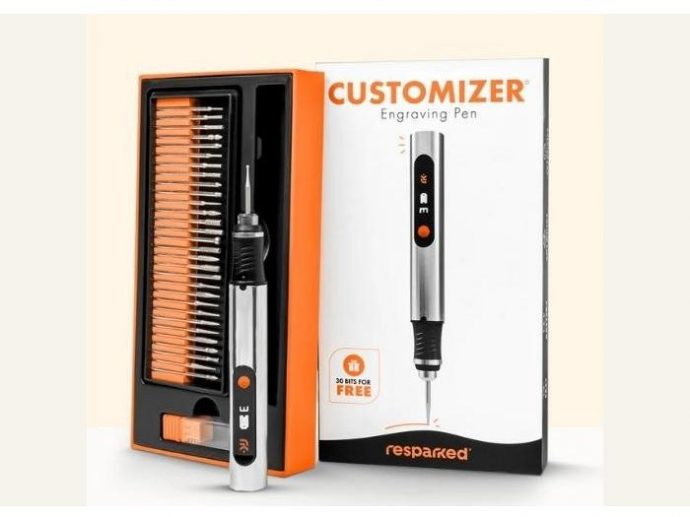
Tools like the engraving pen for beginners highlight how accessible detailed engraving has become, offering a straightforward entry point for anyone curious about personalized design.
How Precision Pens Work Across Different Materials
One of the biggest advantages of a precision engraving pen is its versatility. It can adapt to multiple surfaces without requiring entirely different tools.
Wood and Soft Materials:
- Smooth Etching: Wood responds well to controlled engraving, allowing for flowing designs and lettering.
- Depth Control: Adjusting pressure creates variation in line thickness and shading.
Glass and Ceramics:
- Delicate Surface Handling: Precision tips prevent cracking or uneven scratches.
- Frosted Effects: Fine engraving produces a clean, professional etched look.
Metal Surfaces:
- Durable Marking: Precision tools can engrave names, patterns, or textures onto harder materials.
- Long-Lasting Detail: Designs remain intact over time without fading.
Leather and Flexible Materials:
- Clean Impressions: Precision ensures that cuts or burns do not distort the material.
- Custom Textures: Users can create patterns that enhance both visual and tactile appeal.
This adaptability makes precision pens a practical choice for creators who enjoy experimenting across different mediums without investing in multiple specialized tools.
Choosing the Right Tool for Beginners and Hobbyists
Selecting the right engraving tool can significantly influence both the learning experience and final results. Not all engraving pens offer the same level of usability or support. For example, many users choose to create with Resparked because it pairs a beginner-friendly engraving pen with accessible resources and support. With more than 650,000 users and an “Excellent” rating across 2,493 reviews, the platform reflects a strong community of hobbyists and creators exploring detailed personalization.
Ease of Use:
- Ergonomic Design: Comfortable grip reduces fatigue during longer sessions.
- Simple Operation: Straightforward controls help beginners focus on creativity rather than technical setup.
Reliability and Support:
- Consistent Performance: Tools should deliver steady results without frequent adjustments.
- Customer Assurance: Access to support and guarantees adds confidence for first-time users.
Integrated Learning Experience:
- Guided Creativity: Some tools are part of broader ecosystems that include tutorials or project ideas.
- Skill Development: Structured learning helps users improve faster.
Why Detail Matters in DIY Personalization
Personalization has become a central part of modern DIY culture. Adding fine details transforms everyday objects into meaningful keepsakes.
Emotional Value:
- Unique Creations: Handcrafted details make gifts feel more thoughtful and intentional.
- Personal Expression: Designs reflect individual style rather than mass-produced aesthetics.
Professional-Looking Results:
- Clean Finishes: Fine lines and accurate patterns create a polished appearance.
- Attention to Detail: Small elements often define the overall quality of a project.
Expanded Creative Possibilities:
- Custom Gifts: Engraved items work well for birthdays, holidays, and special occasions.
- Functional Art: Everyday objects such as cutting boards, jewelry, and notebooks become decorative pieces.
Precision tools enable these outcomes by making detailed work achievable even for those without formal artistic training.
Practical Project Ideas to Build Precision Skills
Starting with simple, manageable projects is one of the most effective ways to build confidence with a precision pen.
Everyday Object Customization:
- Drinkware: Engrave initials or simple patterns onto glass cups or mugs.
- Kitchen Tools: Add names or designs to wooden spoons or cutting boards.
Decorative Projects:
- Wall Art: Create engraved wooden plaques with quotes or illustrations.
- Jewelry Pieces: Personalize metal pendants or bracelets with meaningful symbols.
Gift-Focused Creations:
- Memory Items: Engrave dates or messages onto keepsakes.
- Holiday Gifts: Design custom ornaments or personalized decorations.
Practice Techniques:
- Line Exercises: Repeating straight and curved lines improves control.
- Shading Methods: Experiment with pressure to create depth and dimension.
These projects help users develop precision gradually while producing items that are both functional and visually appealing.
The Long-Term Benefits of Mastering Precision
Developing skill with a precision engraving pen offers benefits that extend beyond individual projects.
Creative Confidence:
- Skill Growth: Consistent practice leads to noticeable improvement over time.
- Reduced Intimidation: Familiarity with tools makes complex designs feel achievable.
Cost-Effective Creativity:
- DIY Savings: Creating personalized items at home reduces reliance on custom services.
- Tool Longevity: A single versatile tool can support many types of projects.
Ongoing Inspiration:
- Endless Applications: New materials and ideas keep the process engaging.
- Community Engagement: Sharing creations with others can spark fresh ideas and techniques.
Precision is not just about technical accuracy. It shapes how ideas are translated into tangible results, making creativity more rewarding and accessible.
Attention to detail often defines the difference between something that looks handmade and something that feels truly crafted. A precision pen bridges that gap by giving creators the control needed to bring their ideas to life with clarity and intention. For anyone exploring DIY personalization, investing time in mastering precision is a step toward more meaningful and refined creative work.
Comments
