Categories more
- Adventures (209)
- Arts / Collectibles (374)
- Automotive (803)
- Aviation (378)
- Bath, Body & Health (1033)
- Children (118)
- Cigars / Spirits (278)
- Cuisine (723)
- Design / Architecture (1118)
- Electronics (230)
- Entertainment (162)
- Event Planning (295)
- Fashion (552)
- Finance (199)
- Gifts / Misc (141)
- Home Decor (575)
- Jewelry (409)
- Pets (92)
- Philanthropy (124)
- Real Estate (393)
- Services (223)
- Sports / Golf (213)
- Vacation / Travel (1054)
- Watches / Pens (233)
- Wines / Vines (862)
- Yachting / Boating (9083)



Why Architects Pair Minimalist Aluminum Shade Structures With Modern Homes

Published
10/28/2026A modern home earns its look from restraint: clean planes, simple materials, nothing added for show. The shade structure beside it has to follow the same rules. A bulky carport or a fussy pergola breaks the composition, which is why more architects now reach for slim aluminum frames with translucent roofs.
The structure should disappear into the design
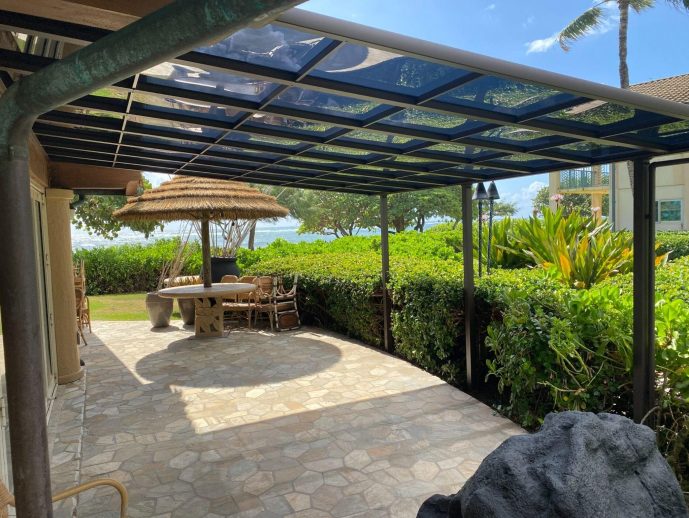
Minimalist architecture depends on sightlines. A flat roofline, thin posts and a frame with no ornament let the house stay the main subject while the shade structure supports it. Aluminum makes that possible. The 6063-T5 alloy common in architectural framing is strong enough to hold a long span on a slim profile, so a designer can draw a post that looks like a line instead of a block.
The shape matters as much as the material. A flat or low-pitch roof echoes the horizontal lines of most contemporary houses. Matching the structure's proportions to the home's, rather than treating it as an add-on, is what makes it read as architecture.
The roof turns shade into a feature
Solid roofs cast shade but leave the space underneath dark. Translucent polycarbonate does the opposite. A 3mm commercial-grade panel lets daylight through while blocking 99% of UVA and UVB rays, and it cuts roughly 70% of solar heat. Furniture, flooring and skin stay protected, and the space stays bright.
The panels also add to the look. Polycarbonate diffuses the light and gives the area under the roof a soft, even glow, so an ordinary carport or patio picks up a finished, gallery-like quality. Architects can use that glow the way they use a skylight: to shape how the space feels at different hours.
Why aluminum instead of wood
Wood remains the traditional choice, and it looks warm. It also needs constant attention, especially on a coastline. Take Hawaii as an example: salt air, strong ultraviolet light, driving rain and the occasional storm with serious wind. Any architect drawing an outdoor structure there has to plan for all four, and the same list applies along the Gulf Coast, the Carolinas and Southern California.
Wood swells in humidity, cracks in the sun and invites rot and termites. Aluminum does none of that, and a finished frame needs little more than an occasional rinse. That difference in upkeep is a large part of why clients who start out asking for wood end up with metal. Aluminum shade structures are lightweight, low maintenance alternatives.
The takeaway
The best shade structure is the one nobody notices as an addition. Slim aluminum, a flat roofline and a translucent roof let it sit quietly beside a modern home, light the space underneath and stay that way for years.