Categories more
- Adventures (75)
- Arts / Collectables (24)
- Automotive (81)
- Aviation (75)
- Bath, Body, & Health (141)
- Children (52)
- Cigars / Spirits (85)
- Cuisine (93)
- Design/Architecture (34)
- Electronics (68)
- Entertainment (47)
- Event Planning (120)
- Fashion (71)
- Finance (16)
- Gifts / Misc (12)
- Home Decor (131)
- Jewelry (64)
- Pets (5)
- Philanthropy (5)
- Real Estate (37)
- Services (61)
- Sports / Golf (41)
- Vacation / Travel (148)
- Watches / Pens (77)
- Wines / Vines (39)
- Yachting / Boating (83)



Why Cat Stretching Is Important for Flexibility

Published
03/18/2026Many cat owners wonder why their cats stretch so much and if it matters. Cats stretch to keep their muscles flexible and healthy. This post will show you the real benefits of stretching for your cat’s body and mind.
Find out what those long stretches mean for your pet’s wellness!
Physical Benefits of Cat Stretching
Cat stretching helps the body stay loose and strong. It also keeps joints moving well and supports daily wellness.
Keeps muscles flexible and agile
Stretching helps cats keep their muscles soft and limber. It lets them move with ease, jump high, and twist their bodies without stiffness. Flexible muscles protect joints from injury during play or grooming.
Regular stretching also supports muscle tone and keeps the body ready for action.
Cats need flexible bodies to climb, hunt toys, or chase after moving objects. A good stretch wakes up sleepy muscles after naps and helps prevent tightness. Moving fresh blood through the muscles during each stretch also boosts circulation and supports joint health.
Next, see how stretching improves blood flow in your cat’s body.
Boosts blood circulation
Cat stretching plays a significant role in enhancing blood circulation. When cats stretch, they open up their bodies. This movement assists blood flow to their muscles and joints. Good circulation is essential for muscle tone and joint health.
It also supports the immune system. The more a cat stretches, the better their body receives the oxygen it needs.
Increased blood flow can help prevent stiffness and promote mobility. Cats that stretch regularly tend to be more active. They enjoy playing and grooming themselves with ease. This keeps them feeling well and happy too.
Next, we will explore how cat stretching impacts relaxation and comfort.
Helps release built-up tension
Boosting blood circulation leads to more benefits. Stretching helps cats release built-up tension in their bodies. Cats often feel stress from daily life or playtime. Stretching allows them to relax and unwind.
When they stretch, their muscles lengthen and loosen up. This process reduces stiffness that can come with sitting still or being active too long. A relaxed cat is often a happy cat, ready for play or rest.
Psychological and Behavioral Aspects of Cat Stretching
Cat stretching shows a cat's need for comfort. It also shows they feel safe in their space.
Promotes relaxation and comfort
Stretching helps cats feel relaxed and comfy. As a cat stretches, it releases tension in its body. This act can ease stress and make them feel happier. Stretching is also part of their daily routine.
It helps them stay calm and comfortable in their space.
A relaxed cat tends to show confidence towards its owner. They may purr or knead nearby after a good stretch. This behavior signals that they are content with their surroundings. Feeling safe allows cats to enjoy life more fully, improving their overall wellness.
Reflects trust and contentment
Cat stretching shows trust and contentment. When a cat feels safe, it relaxes its body. This is clear in how they stretch. A relaxed cat will roll on its back or stretch out fully.
These movements are signs of comfort. Cats only do this when they feel secure in their environment.
Stretching also helps cats bond with their owners. It signals that they are happy and healthy. A playful stretch can match many moments of joy shared between a cat and its person. This behavior reflects not just physical wellness but emotional health as well, creating a strong connection based on trust and love.
Types of Common Cat Stretches
Cats stretch in many ways. Each type serves a purpose for their bodies and well-being.
The Forward Stretch
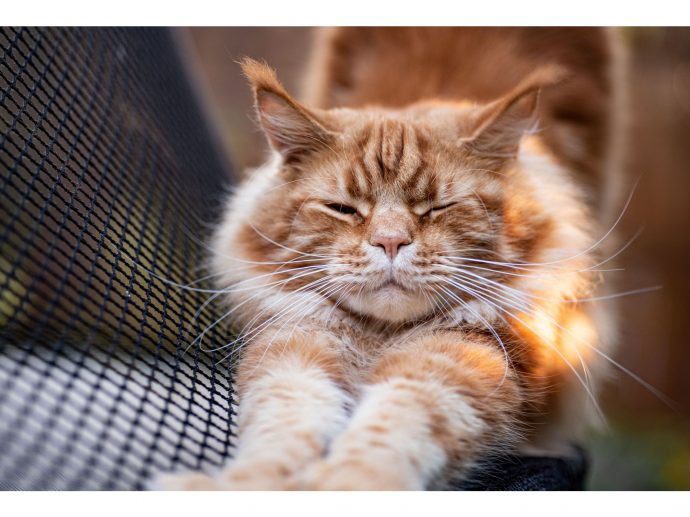
The Forward Stretch is a common position for cats. It helps to keep their muscles flexible and strong. In this stretch, a cat extends its front legs while keeping its back straight.
This movement improves joint health and prevents stiffness.
This stretch also enhances circulation. Blood flow increases, which is great for overall wellness. Cats often do this after sleeping or resting; it indicates they are ready to move again.
The Forward Stretch makes them feel good and prepared for playtime or grooming.
The Back Arch
After the Forward Stretch, cats often do the Back Arch. This stretch is great for their spine and muscles. When a cat arches its back, it helps keep their body flexible. This movement strengthens muscle tone and aids joint health.
The Back Arch also promotes good circulation. Blood flow increases as they stretch out. Cats may move into this pose when they're feeling relaxed or content. It shows they are happy and comfortable in their space.
This stretch offers many benefits for both physical wellness and general well-being.
Full Body Extension
The Full Body Extension is a popular stretch for cats. It helps them relax and feel good. During this stretch, cats reach out their front legs while arching their backs. This move opens up their bodies and boosts flexibility.
Stretching like this keeps muscles strong and agile. It also promotes better blood flow throughout their bodies. Healthy blood circulation means that all body parts get the oxygen they need to function well.
A good stretch can release tension too, helping to keep your cat happy and healthy. This leads us to the next type of common cat stretches: The Forward Stretch.
When Cat Stretching Might Indicate a Problem
If your cat stretches too much and seems in pain, it may signal an issue. A cat that refuses to stretch could also need help. Keep an eye on their behavior for signs of trouble. Learn more about what this means for your pet's health!
Incorporating the butterfly stretch exercise into your cat's routine can enhance their flexibility and overall muscle health.
Excessive stretching with discomfort
Excessive stretching with discomfort can be a sign of trouble. Cats should stretch to stay flexible and healthy. If a cat stretches too much or shows signs of pain, it may indicate an issue.
It could mean there is stiffness in the muscles or joints. Pain during stretching is not normal and needs attention.
Cats should enjoy their stretches without discomfort. Healthy stretching improves blood flow and keeps muscles toned. If your cat avoids stretching or seems uncomfortable, consider a vet visit for proper care.
Taking action early helps maintain your pet’s wellness and mobility.
Reluctance or inability to stretch
Cats may show reluctance or inability to stretch for several reasons. Pain often causes this behavior. If a cat feels discomfort in its muscles or joints, it might avoid stretching.
This change can indicate stiffness or injury.
A lack of interest in stretching could signal other health issues. Cats need regular movement for good muscle tone and joint health. Without stretching, their flexibility may decrease.
Keeping an eye on your cat's behavior is key to ensuring it stays healthy and active.
Conclusion
Cat stretching plays an important role in keeping our feline friends flexible. It helps their muscles remain strong and agile. Stretching enhances blood flow and minimizes tension too.
Observing your cat stretch can demonstrate how relaxed and happy they feel. Flexibility is essential for their health and wellness.
Comments
