Categories more
- Adventures (62)
- Arts / Collectables (14)
- Automotive (77)
- Aviation (65)
- Bath, Body, & Health (123)
- Children (6)
- Cigars / Spirits (71)
- Cuisine (66)
- Design/Architecture (22)
- Electronics (63)
- Entertainment (36)
- Event Planning (115)
- Fashion (45)
- Finance (10)
- Gifts / Misc (6)
- Home Decor (118)
- Jewelry (41)
- Pets (3)
- Philanthropy (1)
- Real Estate (16)
- Services (44)
- Sports / Golf (14)
- Vacation / Travel (85)
- Watches / Pens (33)
- Wines / Vines (34)
- Yachting / Boating (67)


Why Climate Now Plays a Bigger Role in Where People Move

Published
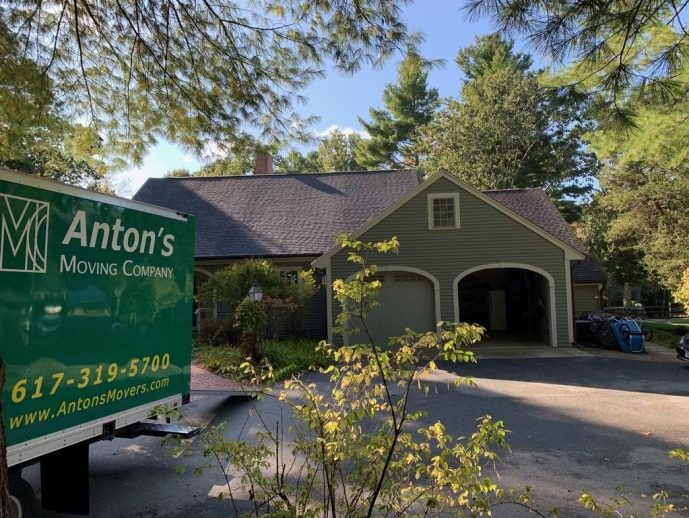
10/08/2026People used to treat climate like a bonus detail. Nice weather was great, bad weather was something you complained about, and bigger things usually led to the decision. Work. Family. Cost. Schools. Space. Those still count, of course. But more people are starting to ask a more personal question: what does this place feel like to live in every day? Someone booking movers Boston families rely on may be thinking about cost, space, or schools, but after a few New England winters, the weather is usually part of the conversation too.
Weather Shapes Daily Life More Than People Realize
Weather gets into the small parts of the day.
It affects what you wear, when you leave the house, how much time you spend outside, and how tired you feel by evening. You may not think about it much when the weather suits you. You definitely notice when it does not.
Daily routines change around climate in practical ways:
- Outdoor hobbies become easier or harder.
- Commutes feel different in heat, rain, snow, or wind.
- Energy bills can rise with heavy cooling or heating needs.
- Kids, pets, and older relatives may handle seasons differently.
- Social plans often shift indoors or outdoors depending on the climate.
This is why one vacation week tells you very little. A city can feel wonderful in March and completely different in August. Long-term climate patterns are more useful than one good trip, which is why NOAA’s explanation of climate normals can help people think beyond one season.
You are not only choosing a view.
You are choosing the weather your everyday life has to work around.
Climate Can Influence Long-Term Satisfaction
People talk a lot about lifestyle fit, but climate is part of that fit.
If you feel better in sunlight, a darker or colder region may wear on you. If you need cooler air to sleep well, a hot climate may become frustrating. If outdoor movement helps your mood, a place that keeps you indoors for half the year may not support the life you want.
That is where weather preferences become more than small likes and dislikes.
They touch routines, health, comfort, and connection.
Climate migration is often discussed in big terms, but many decisions are personal before they are political or statistical. People ask simple questions:
Can I live well here?
Will I actually go outside?
Will this climate make my daily life easier or harder?
Can I imagine myself here in five years?
Climate can also affect belonging.
A lot of community life happens through repeated routines. Walking the dog. Seeing neighbors outside. Going to local markets. Sitting on porches. Taking kids to the same park. Joining outdoor classes or weekend groups.
If the climate supports those routines, settling in may feel easier.
If it works against them, a place can feel harder to enter emotionally.
Flexibility Has Expanded Relocation Options
Remote and hybrid work changed the conversation for many people.
Not for everyone. Plenty of jobs still require a person to be on-site. Family obligations, school districts, health care needs, and budgets can also limit choices.
But some households have more room to choose than they used to.
Home also means something different when work happens there.
A small apartment may feel fine when you leave all day. It can feel much tighter when it becomes your office too. Noise, light, temperature, and outdoor access all start to count more.
That does not mean everyone is leaving one region for another.
It means more people are comparing their options.
A sunnier city may bring higher cooling bills. A cheaper area may have fewer job options. A slower place may feel peaceful at first and limiting later. Every choice has tradeoffs.
Still, flexibility gives people a chance to ask better questions before choosing a place to live.
People Are Evaluating Lifestyle Fit More Carefully
Relocation decisions have become more individual.
People are not only asking, “Can I afford this place?” They are also asking, “Can I live well here?”
That question includes money, work, family, health, community, and climate.
Some people want dry heat.
Some want four seasons.
Some want mild evenings, open windows, and year-round walking.
Some want snow because it feels like home.
The right answer depends on the person who has to live there every day.
For larger housing questions, HUD housing counseling can help with practical guidance. But no official resource can tell someone whether a place feels right in their body, schedule, and daily routine.
That part takes honesty.
It helps to think about ordinary life, not only the exciting parts. What will mornings feel like? What will summer cost? Will you go outside enough? Will the climate help your routines or make them harder to keep?
Those questions may sound small.
They are often the ones people live with the longest.
Final Thoughts
Climate is becoming a bigger part of relocation decisions because people are paying closer attention to daily life.
Weather affects routines, comfort, energy, outdoor time, bills, and the way people connect with their community. It is not the only factor, but it is no longer something everyone treats as background noise.
Relocation decisions are becoming more personal. One person may want warmth. Another may want seasons. Someone else may care most about fresh air, walkable evenings, or a place where their family spends more time outside.
Comments
