Categories more
- Adventures (50)
- Arts / Collectables (14)
- Automotive (36)
- Aviation (11)
- Bath, Body, & Health (76)
- Children (6)
- Cigars / Spirits (71)
- Cuisine (64)
- Design/Architecture (22)
- Electronics (13)
- Entertainment (4)
- Event Planning (12)
- Fashion (45)
- Finance (10)
- Gifts / Misc (6)
- Home Decor (45)
- Jewelry (41)
- Pets (3)
- Philanthropy (1)
- Real Estate (16)
- Services (23)
- Sports / Golf (14)
- Vacation / Travel (66)
- Watches / Pens (14)
- Wines / Vines (33)
- Yachting / Boating (67)


Why Craftsmanship Matters in Luxury Leather Goods

Published
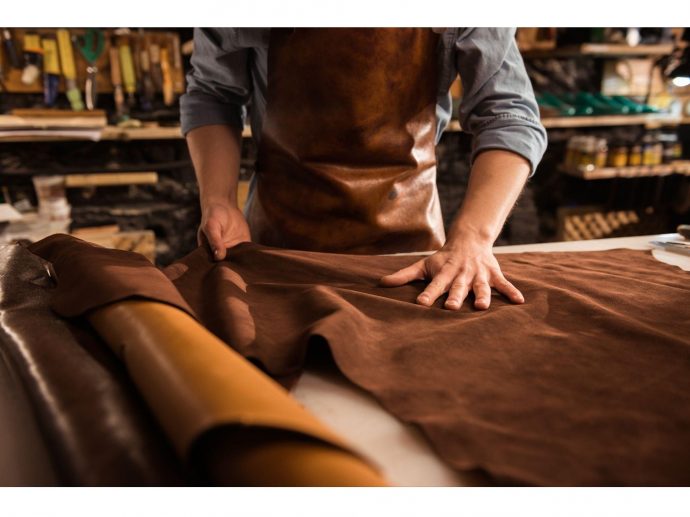
06/29/2026Luxury is rarely defined by appearance alone. The finest leather goods are valued not only for their elegant design but also for the craftsmanship behind every stitch, cut, and finishing detail. While consumers often admire the finished product, the process of creating it is what truly sets premium leather accessories apart. This is why many luxury brands work closely with an experienced leather goods manufacturer in Thailand, combining skilled craftsmanship with high-quality production to bring their collections to life.
Whether it is a handbag, wallet, travel accessory, or leather organiser, exceptional craftsmanship transforms everyday items into products that are designed to last. In an industry where quality, durability, and attention to detail are essential, manufacturing plays a significant role in maintaining the standards that luxury customers expect.
Luxury Begins With Exceptional Materials
Every premium leather product starts with the careful selection of materials. Even the most talented craftspeople cannot create exceptional products using inferior leather.
Luxury brands typically look for leather that offers consistency in texture, colour, and durability. Full-grain and top-grain leather remain popular choices because they retain much of the material's natural character while developing an attractive patina over time.
The quality of supporting materials is equally important. Linings, hardware, threads, zippers, and edge finishes all contribute to how a product looks, feels, and performs after years of use.
Selecting premium materials lays the foundation for a product that reflects luxury from every angle.
Craftsmanship Is Found in the Details
Many of the qualities that distinguish luxury leather goods are subtle rather than obvious.
Perfectly aligned stitching, clean edge finishing, carefully folded corners, and precisely fitted hardware may seem like small details individually, but together they create an impression of refinement.
Customers often notice when these details are executed well, even if they cannot immediately explain why one product feels more premium than another.
Experienced leather artisans understand that consistency is just as important as creativity. Every stitch, seam, and finishing touch should meet the same high standard throughout an entire production run.
This attention to detail helps maintain the reputation of luxury brands while giving customers confidence in the products they purchase.
Skilled Manufacturing Supports Luxury Brands
Luxury brands often focus on design, marketing, and customer experience while partnering with specialist manufacturers to bring their ideas to life.
An experienced manufacturing partner contributes far more than production capacity. They provide technical expertise, material knowledge, product development support, and quality control throughout the manufacturing process.
This collaboration allows designers to transform sketches and prototypes into finished products that accurately reflect the brand's vision.
Manufacturers with extensive experience in luxury leather production also understand the expectations of premium markets, where consistency and craftsmanship are essential.
Handcraft Meets Modern Production
Although luxury leather goods are closely associated with traditional craftsmanship, modern manufacturing combines artisanal techniques with advanced production technologies.
Precision cutting equipment helps improve consistency while reducing material waste. At the same time, skilled artisans continue to perform many tasks by hand, particularly those involving stitching, assembly, edge finishing, and quality inspection.
Rather than replacing craftsmanship, technology often supports it by improving efficiency while allowing experienced workers to focus on the details that require human skill.
This balance enables manufacturers to produce larger quantities without compromising the quality expected by luxury brands.
Consistency Is Essential for Premium Collections
Customers purchasing luxury products expect consistency regardless of where or when they buy.
A handbag purchased today should match another purchased months later in terms of colour, stitching quality, construction, and finishing.
Achieving this level of consistency requires carefully managed production processes, thorough quality inspections, and experienced manufacturing teams.
Without these systems, even beautifully designed products may fail to meet customer expectations.
Reliable manufacturers invest significant time in developing quality control procedures that ensure each product reflects the standards established by the brand.
Sustainability Is Becoming Part of Luxury
Modern luxury increasingly reflects responsible production and exceptional quality.
Consumers are paying greater attention to where products are made, how materials are sourced, and whether manufacturers operate responsibly.
Many luxury brands now seek manufacturing partners that support sustainable practices, such as:
- responsible leather sourcing
- reducing production waste
- improving manufacturing efficiency
- selecting environmentally conscious packaging
- maintaining ethical workplace standards
While sustainability can look different from one company to another, transparency has become an increasingly important part of luxury purchasing decisions.
Why Thailand Has Become a Respected Manufacturing Hub
Thailand has developed a strong reputation for producing premium leather goods thanks to its combination of skilled craftsmanship, manufacturing expertise, and competitive production capabilities.
Many manufacturers have decades of experience working with international fashion labels, luxury retailers, and private-label brands. This experience allows them to understand global quality expectations while maintaining flexibility for custom projects.
The country also benefits from experienced craftspeople who combine traditional leatherworking knowledge with modern manufacturing techniques.
As a result, Thailand has become an attractive destination for brands seeking reliable production without compromising on craftsmanship.
Customisation Creates Stronger Brand Identity
Luxury brands rarely rely on standard products. Instead, they seek distinctive designs that reflect their identity and appeal to their target customers.
Experienced leather manufacturers often support customisation throughout the production process, including:
- bespoke product development
- custom leather colours
- personalised hardware
- embossed or debossed branding
- specialised stitching patterns
- premium packaging solutions
These details allow brands to create products that feel unique while maintaining consistency across their collections.
Custom manufacturing also provides greater flexibility for seasonal launches, limited editions, and exclusive collaborations.
Quality Control Protects Brand Reputation
For luxury brands, reputation is built over many years but can be affected by inconsistent product quality.
This makes quality control one of the most important stages of leather goods manufacturing.
A comprehensive inspection process may include checking:
- stitching accuracy
- leather consistency
- hardware functionality
- colour matching
- structural integrity
- finishing quality
Products that fail to meet established standards should never reach customers.
Strong quality assurance protects both the manufacturer and the brand while helping maintain long-term customer confidence.
Craftsmanship Creates Long-Term Value
Luxury leather goods are often viewed as investments rather than disposable fashion accessories.
Customers expect products that can accompany them for many years while maintaining both their appearance and functionality.
Superior craftsmanship contributes directly to this longevity.
Well-constructed leather goods often age gracefully, developing character through regular use instead of showing premature wear.
This lasting quality is one reason many people continue to appreciate genuine craftsmanship despite the availability of mass-produced alternatives.
Conclusion
Craftsmanship remains one of the defining characteristics of luxury leather goods. While beautiful design may attract attention, it is the quality of materials, skilled construction, and attention to detail that determine whether a product truly stands the test of time.
Behind every exceptional leather accessory is a carefully managed manufacturing process supported by experienced artisans, reliable quality control, and a commitment to excellence. As luxury consumers continue to value authenticity, durability, and responsible production, craftsmanship will remain at the heart of the world's finest leather goods for years to come.
Comments
