Categories more
- Adventures (62)
- Arts / Collectables (14)
- Automotive (77)
- Aviation (65)
- Bath, Body, & Health (123)
- Children (6)
- Cigars / Spirits (71)
- Cuisine (66)
- Design/Architecture (22)
- Electronics (63)
- Entertainment (36)
- Event Planning (115)
- Fashion (45)
- Finance (10)
- Gifts / Misc (6)
- Home Decor (118)
- Jewelry (41)
- Pets (3)
- Philanthropy (1)
- Real Estate (16)
- Services (44)
- Sports / Golf (14)
- Vacation / Travel (85)
- Watches / Pens (33)
- Wines / Vines (34)
- Yachting / Boating (67)


Why Discerning Buyers Seek Raw Honey for Sale

Published
05/04/2026Honey has long been valued as both a food and a natural remedy. Not all honey is the same, and many buyers now pay closer attention to what they purchase. Raw honey, in particular, has gained interest among those who want something less processed and closer to its natural state. This shift reflects a growing awareness of food quality rather than a passing trend. As people look more carefully at what they consume, raw honey continues to stand out for clear reasons.
What Makes Raw Honey Different
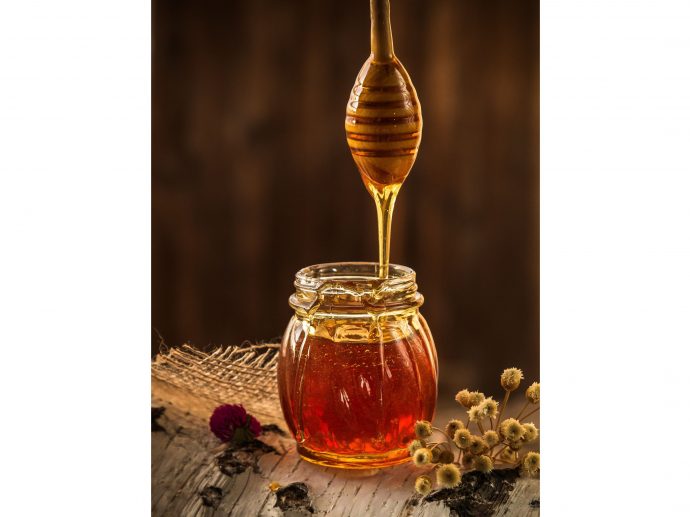
A clear understanding of raw honey starts with how it is handled. Raw honey comes directly from the hive and is only strained to remove debris. Heavy heating and fine filtration are not part of the process, which helps preserve its natural elements.
Processed honey follows a different path. Manufacturers often heat and filter it to improve shelf life and appearance. These steps can make the honey look smoother, but they may also reduce some of its natural qualities.
This contrast matters to buyers who prefer food in a more natural form. Honey that remains close to its original state feels more authentic and less altered.
A Preference for Natural Foods
Interest in raw honey connects to a wider shift toward natural foods. Many consumers now check labels and consider how products are made and where they come from.
Raw honey appeals to those who want fewer processing steps. The product is simple in nature. Bees produce it, beekeepers collect it, and it reaches the table with minimal change. This straightforward process builds confidence among buyers.
Consider a simple choice at a store. A jar labeled raw and unfiltered often feels more trustworthy than one with little information. That label alone can influence a decision.
For those ready to make a more informed choice, it helps to explore options that clearly show quality and sourcing. Many buyers take time to discover premium honey collection selections that highlight raw, unfiltered varieties and offer better transparency about how the product is made.
Flavor and Texture That Stand Out
Taste plays a strong role in the appeal of raw honey. The flavor is often richer and more complex than processed versions. Different flowers visited by bees create subtle variations, which means no two batches are exactly alike.
Texture also adds to the experience. Raw honey may look cloudy or form crystals over time. These features may seem unusual at first, but many buyers see them as signs of minimal processing.
This natural variation keeps the product interesting. Each jar offers a slightly different taste, which creates a closer connection to nature.
Interest in Nutritional Value
Many buyers consider the natural composition of raw honey when making choices. Small amounts of pollen, enzymes, and other compounds remain present because the honey is not heavily processed.
Honey is still a form of sugar, so moderation remains important. However, its natural profile gives it a different appeal compared to refined sweeteners.
A simple example can be seen in daily habits. A cup of tea sweetened with raw honey offers not just sweetness but also a mild, layered flavor. This small change can make a routine feel more thoughtful.
Supporting Local Beekeepers
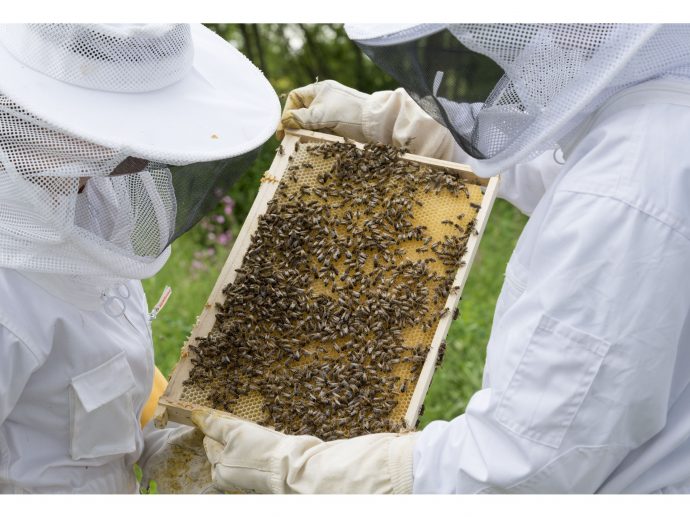
Raw honey often comes from small-scale or local beekeepers. This source matters to buyers who want to support local producers and responsible practices.
A purchase can feel more personal when the source is clear. Honey from a nearby farm or a known supplier creates a stronger sense of connection than products from large, distant operations.
Behind every quality honey producer is reliable equipment that supports healthy colonies and efficient hive management. Many beekeepers also depend on honey bee supplies for sale from trusted providers such as Lappe's Bee Supply, specializing in quality honey bee supplies for beekeepers, to help maintain productive hives throughout the season.
Support for beekeepers also benefits the environment. Bees play a key role in pollination, which supports food production. Choosing raw honey can feel like a small but meaningful contribution.
Transparency and Trust
Trust influences many buying decisions. Raw honey often signals honesty because it undergoes fewer processing steps.
Clear labels such as “raw,” “unfiltered,” or “unpasteurized” help buyers feel informed. These terms suggest that the honey remains close to its natural state. While labels still require careful reading, they offer a starting point for better choices.
This sense of transparency extends beyond the product. Buyers gain more control over what they consume, which builds confidence over time.
A Shift Toward Quality Over Convenience
Convenience once shaped many food choices, but priorities have started to change. Quality now plays a stronger role in decision-making.
Raw honey may lack the perfectly smooth texture or long shelf stability of processed options. Many buyers accept these differences in exchange for a more natural product.
Shopping habits reflect this shift. Buyers now take time to read labels and understand how products are made. Raw honey often benefits from this extra attention.
Why the Demand Continues to Grow
Demand for raw honey continues to rise because it aligns with several consumer values. Natural food choices, transparency, and support for local producers all contribute to its appeal.
The product itself remains simple yet meaningful. Raw honey offers a familiar taste in a form that feels less altered. This balance keeps it relevant in a changing market.
As awareness grows, more buyers choose products that reflect their values. Raw honey fits well within this mindset.
Conclusion
Raw honey continues to attract buyers who value simplicity, flavor, and transparency. Its minimal processing allows it to retain qualities that many people consider important. The richer taste and connection to local producers add to its appeal. Buyers who seek it often want food that feels closer to its natural source. As awareness grows, raw honey remains a clear example of how thoughtful choices can shape everyday habits.
Comments
