Categories more
- Adventures (62)
- Arts / Collectables (14)
- Automotive (77)
- Aviation (65)
- Bath, Body, & Health (123)
- Children (6)
- Cigars / Spirits (71)
- Cuisine (66)
- Design/Architecture (22)
- Electronics (63)
- Entertainment (36)
- Event Planning (115)
- Fashion (45)
- Finance (10)
- Gifts / Misc (6)
- Home Decor (118)
- Jewelry (41)
- Pets (3)
- Philanthropy (1)
- Real Estate (16)
- Services (44)
- Sports / Golf (14)
- Vacation / Travel (85)
- Watches / Pens (33)
- Wines / Vines (34)
- Yachting / Boating (67)


Published
04/25/2026 by iTeaworldFor many U.S. consumers, getting started with Chinese green tea can feel surprisingly difficult. With unfamiliar names, origins, and flavor profiles, many are unsure where to begin. As a result, some consumers end up choosing teas that taste overly bitter or flat, reinforcing the impression that "green tea just doesn't taste good."
According to iTeaworld, much of this comes down to the lack of a clear and approachable starting point for Chinese green tea, as well as the absence of a simple path that helps consumers understand what to try first and why.
Understanding Chinese Green Tea: Freshness and Flavor
The appeal of Chinese green tea is not in intensity, but in freshness. That freshness can appear as the lively character of early spring buds, unfolding into notes of beans, flowers, sweetness, and a clean lingering finish. Flavor, meanwhile, is shaped by cultivar, origin, and pan-firing technique. To understand Chinese green tea is to appreciate a more restrained and nuanced expression of freshness flavor.
A Three-Step Path Into Chinese Green Tea
To make Chinese green tea easier to approach, iTeaworld has introduced a more structured exploration path designed especially for beginners.
1. Start with Fresh, Classic Styles
For new drinkers, smoother green teas with lower bitterness are often the best place to begin. But tea style alone does not determine the drinking experience. Even teas such as Longjing or jasmine green tea can taste noticeably bitter if they are not fresh, are poorly made, or are produced from lower-quality material.
iTeaworld recommends prioritizing teas that are:
- freshly harvested in season
- made from tender young leaves
- balanced in flavor and gentle on the palate
Suitable entry styles include:
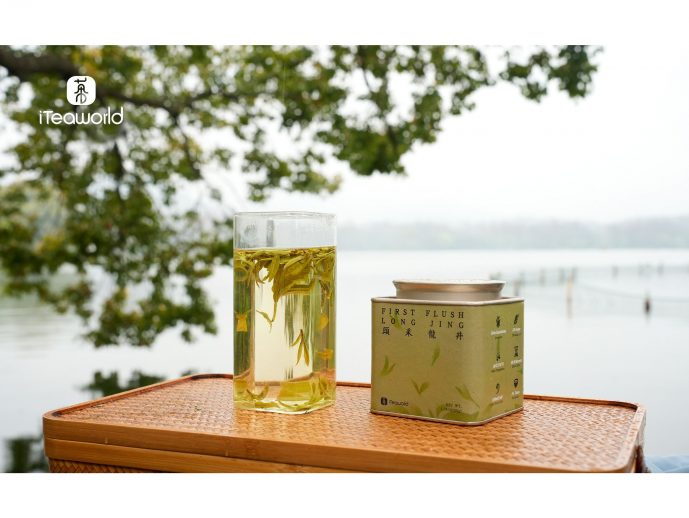
- Longjing (Dragon Well): nutty and toasty, with a smooth texture
- Jasmine Green Tea: lively floral aroma with a balanced taste
- Huangshan Maofeng: fresh, mellow, and naturally sweet
These teas also work well both hot and cold, making them especially suitable for everyday tea drinking habits in the U.S.
2. Explore Styles and Find Your Flavor Preference
As consumers gain more experience, they can begin exploring within familiar flavor categories — such as trying different styles of Longjing or jasmine green teas with varying floral intensity — to better understand the subtle differences within Chinese green tea.
To reduce the complexity of choice, iTeaworld organizes Chinese green tea into several core flavor profiles — including fresh herbal notes, delicate floral notes, nutty and bean-like notes, rich floral notes — and offers curated tasting sets based on those profiles. This allows consumers to compare multiple styles at once and more easily discover their own preferences, without having to navigate a wide range of unfamiliar categories on their own.
3. Use Comparative Tasting to Deepen Understanding
For consumers who want to go further, comparative tasting sets can help reveal how cultivar, processing style, picking season, and grade influence the final cup.
These differences are often subtle, but they are essential to understanding how green tea flavor is formed. iTeaworld recommends using more traditional brewing methods, such as a gaiwan, to better appreciate those details.
First Flush Spring Tea: A Classic Expression of Chinese Green Tea
The earliest teas picked in spring are often referred to as first flush teas. Because the leaves grow slowly through the winter, they tend to accumulate higher amino acid content while containing relatively lower levels of bitter compounds. The result is a flavor profile that is fresher, smoother, and easier to enjoy.
This is also the core idea behind iTeaworld's 2026 First Flush Chinese Green Tea Collection, which includes:
- Early Spring Longjing: nutty aroma and smooth mouthfeel
- Early Spring Biluochun: elegant floral notes and a delicate texture
- Early Spring Enshi Yulu: clean, fresh, and brisk
- Early Spring Huangshan Maofeng: mellow, sweet, and smooth
The brand is also offering curated sampler sets, making it easier for consumers to experience multiple classic Chinese green tea styles in one collection.
Making Chinese Green Tea Easier to Understand and Enjoy
"In China, drinking first flush green tea is a way of tasting the arrival of spring and welcoming a fresh start to the year," iTeaworld said. "We hope to make that experience easier to access and understand — not only for Chinese tea lovers, but for anyone interested in discovering fine Chinese tea."
By combining a more structured introduction with the seasonal appeal of first flush spring tea, iTeaworld aims to make Chinese green tea easier for global tea consumers to understand, choose, and enjoy.
Comments
