Categories more
- Adventures (62)
- Arts / Collectables (14)
- Automotive (77)
- Aviation (65)
- Bath, Body, & Health (123)
- Children (6)
- Cigars / Spirits (71)
- Cuisine (66)
- Design/Architecture (22)
- Electronics (63)
- Entertainment (36)
- Event Planning (115)
- Fashion (45)
- Finance (10)
- Gifts / Misc (6)
- Home Decor (118)
- Jewelry (41)
- Pets (3)
- Philanthropy (1)
- Real Estate (16)
- Services (44)
- Sports / Golf (14)
- Vacation / Travel (85)
- Watches / Pens (33)
- Wines / Vines (34)
- Yachting / Boating (67)


Why Elite Consumers Are Swapping Classic Acetate for High-End AI Eyewear

Published
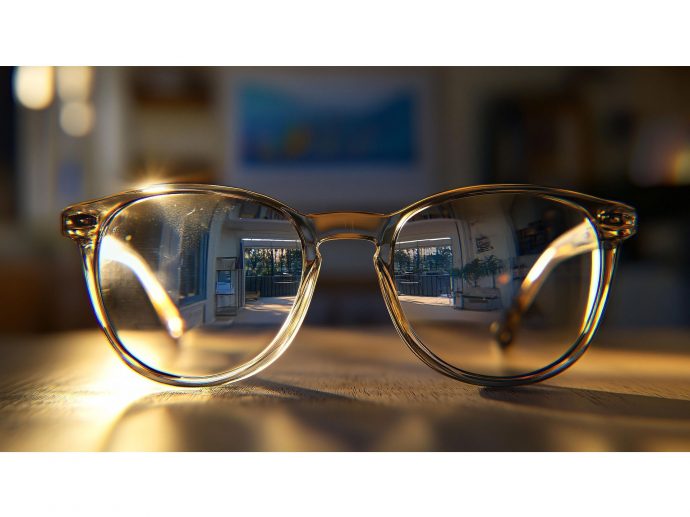
07/05/2026The era of ostentatious Silicon Valley face-computers is dead. Wealthy buyers do not want to look like cyborgs. They want to look like themselves, only better connected, which is why traditional heritage aesthetics are devouring the smart eyewear category whole. High-net-worth individuals are ditching raw utility for disguised intelligence. The most successful consumer tech products of 2026 do not scream for attention. They blend into a bespoke wardrobe seamlessly. Silently. Efficiently.
What is Driving the Luxury Shift to Smart Frames?
Silicon Valley finally learned how to design something that doesn't look like a sci-fi prop. High-end buyers are not buying processing power. They are buying effortless social utility wrapped in premium materials. Traditional tech companies failed because they designed for engineers. The new cohort of luxury wearables wins because it designs for the country club. It is an exercise in cultural adaptation.
It is a basic marketing reality. Form must beat function when the price tag scales. The market shifted the moment microprocessors shrunk enough to fit inside standard hand-polished acetate temples without distorting the silhouette. Wealthy consumers demand invisibility. They want the power of multimodal AI, but they refuse to wear a plastic headset to get it. When evaluating the best AI glasses currently on the market, the core metric isn't processing speed. It is camouflage.
The modern affluent consumer values time optimization above all else. Checking a phone during a high-stakes board meeting or a private gallery opening is a social faux pas. Glancing at a smartwatch is an explicit signal of boredom. Glancing through a pair of subtly enhanced lenses provides a private data stream without breaking eye contact. This is behavioral arbitrage. It allows the user to remain completely present while maintaining a distinct informational advantage over everyone else in the room. This shift isn't a temporary fad driven by tech enthusiasts. It is a structural realignment of premium personal accessories. Luxury houses are aggressively repositioning their entire product line strategies around this behavioral shift. Hardware is the new soft goods line. The transition happened overnight, leaving old-school manufacturers scrambling to save their market share.
How is the Tech Industry Reshaping Haute Couture?
Tech platforms are executing a silent takeover of high-end fashion infrastructure through strategic investments and distribution partnerships. Fashion houses possess the cultural capital that tech firms desperately need to escape the discount bins of big-box retail. Tech firms possess the sticky ecosystem architecture that keeps consumers paying monthly subscriptions forever. It is a perfect marriage of convenience and mutual exploitation.
The old guard of fashion relies on scarcity, heritage, and tactile luxury. Think Italian calfskin, hand-stitched seams, and mechanical movements. Tech relies on scale, obsolescence, and rapid deployment. When these two opposing forces collide, the result is a massive influx of capital into hybrid product development. Luxury retailers are no longer just training their staff on leather care. They are teaching them how to troubleshoot Bluetooth pairings and configure localized AI agents. This fundamentally alters the floor economics of high-end boutiques. Consumers expect their tech to feel like fashion and their fashion to perform like tech. This convergence is visible across all segments, accelerating everything from high-end streetwear trends to runway collections.
Consider how traditional department stores layout their premium real estate. The ground floor belongs to cosmetics and eyewear because they are high-margin, high-volume gateways to the brand. By embedding artificial intelligence into these exact categories, brands create an ongoing relationship with the buyer that lasts long after the initial transaction. This isn't just about selling a frame. It is about capturing a permanent slice of the consumer's daily sensory experience. The traditional retail playbook is being completely rewritten to accommodate these hybrid devices. Brands that refuse to adapt are finding themselves relegated to historical curiosity status. The consumer has made their preference clear. They want heritage aesthetics on the outside, and cutting-edge silicon on the inside. The industry is moving to satisfy this demand with ruthless efficiency.
Who is Actually Buying Seven Million Pairs of Smart Shades?
The demographic profile of the smart eyewear consumer has moved entirely away from the early adopter tech crowd and into mainstream affluent culture. High-earning professionals, executive travelers, and style-conscious influencers form the core purchasing block. This mainstreaming is reflected in massive corporate scale shifts. According to recent data from Straits Research, the global AI smart glasses market size was valued at USD 2.58 billion in 2025, showing an aggressive upward trajectory as consumer electronics capture a dominant market share.
This isn't an experimental niche market anymore. The numbers point to a structural consumer shift that traditional eyewear brands can no longer ignore. The volume is being driven by a desire for frictionless content creation and hands-free communication. High-net-worth buyers treat these items as functional upgrades to their existing daily carry. They expect their eyewear to do more than just block ultraviolet rays. They expect it to capture high-definition memories without requiring them to hold a smartphone. This trend is forcing a massive reevaluation of traditional luxury portfolios, prompting a surge in modern luxury tech integrations across premium fashion groups.
Look at the board. It is a brutal, winner-take-all monopoly. Silicon Valley finally figured out that heritage fashion houses hold the keys to cultural relevance, leading tech firms to aggressively buy their way into the luxury ecosystem because engineering-first hardware looks terrible on a real person. If you control the underlying software platform, you dictate consumer taste. It is that simple. The current metrics are lopsided. Data from Counterpoint Research shows Meta commands roughly 82% of the global smart glasses market as of the second half of 2025. Any independent boutique label trying to build its own proprietary smart hardware from scratch is fighting a losing battle. You either partner up or get left behind.
This power dynamic is forcing a chaotic retooling on the factory floor. Forget the romantic image of old-school artisans slowly hand-polishing acetate frames in a quiet Italian workshop. Today, legacy factories are being carved up to accommodate high-tech cleanrooms, with assembly lines integrating delicate micro-circuitry alongside premium plastics. The capital expenditure is massive. To completely secure its grip on this shifting market, EssilorLuxottica explicitly structured its operations to expand production capacity to 10 million annual units by the end of 2026.
Why Does Audio Quality Matter in Premium Wearables?
The primary interface for modern smart eyewear isn't a tiny, glowing screen. It is an open-ear acoustic system. High-end consumers reject invasive earbuds that completely cut them off from their immediate physical surroundings. They prefer a nuanced, directional audio environment that allows them to take private phone calls or listen to tactical AI briefings while remaining fully aware of their immediate surroundings.
Audio is the new battleground. The margin for error? Zero. Nobody wants their business partner overhearing a private equity pitch at a power lunch because of cheap, leaky hardware.
Micro-speakers have to fire pristine acoustics directly into the ear canal while actively canceling out ambient bleed. It is an engineering nightmare when you only have millimeter-thin acetate to work with. Think sophisticated acoustic beamforming hidden entirely inside a classic silhouette. Buyers spot a clumsy, bolted-on tech gimmick instantly and reject it out of hand. They want absolute discretion, and they happily fork over an obscene premium for genuine integration. This engineering pressure is forcing a radical rewrite of the old design playbook, permanently dragging designer eyewear collections—which historically only cared about visual symmetry and logo placement—into the unforgiving world of acoustic physics.
The money follows the ears. Brands are aggressively slashing their legacy frame-shaping budgets to fund advanced acoustic labs because that is where the margin hides. Hard data backs up the pivot. Market metrics from Grand View Research show the audio segment accounted for over 28% of the total market share in 2025. Affluent consumers want an ongoing, frictionless dialogue with a voice assistant. They just refuse to wear ugly plastic earbuds to get it.
Is Frictionless Surveillance the Price of Premium Convenience?
The rapid proliferation of hidden cameras inside luxury frames creates a massive cultural paradox. Wealthy consumers value their own privacy above almost everything else. Yet, they are buying millions of devices designed to record their surroundings at a moment's notice. The social friction caused by these devices is growing rapidly in elite spaces. Private clubs, high-end restaurants, and exclusive resorts are forced to draft entirely new etiquette policies to handle guests wearing smart frames.
The cynical marketing truth is that convenience almost always wins over abstract privacy concerns. The friction of pulling out a phone, unlocking it, and opening a camera app is a barrier to capturing fleeting moments. Smart glasses eliminate that barrier completely. A simple tap or a voice command captures a pristine video instantly. This frictionless capture mechanism is incredibly addictive to creators and professionals alike.
The legal and ethical fallout from this widespread deployment of hidden sensors is only just beginning to surface in courtrooms. Luxury buyers are discovering that their premium accessories come with significant legal liabilities. High-profile data pipeline investigations are forcing a reevaluation of how these devices process data behind the scenes. Consumers are waking up to the reality that their daily video clips are often routed through complex global cloud networks for AI training purposes. The social contract around public recording is fraying rapidly. Elite spaces will become the primary battlegrounds for these privacy disputes. The tension between elite convenience and public privacy will intensify as the technology becomes more pervasive.
What is the Real Playbook for Buying Smart Frames?
The tech isn’t reversing course. Stop treating these frames like a novelty toy and start auditing them like any other high-ticket asset. If you are going to put a computer on your face, do it with cold strategic intent.
- Prioritize total invisibility. If anyone notices a seam, a weird charging port, or an oversized temple arm, you bought the wrong brand. Look for hand-polished shapes that completely mask the underlying hardware.
- Audit the acoustic leakage. Open-ear audio is a massive liability if it bleeds sound. Your private business calls should stay private, which means testing the beamforming limits at high volumes before you wear them into an upscale restaurant.
- Map the data pipeline. You are strapping a live microphone to your head. Find out exactly which cloud network is logging your conversations and training its machine-learning models on your daily routine.
- Anticipate the venue rules. Elite enclaves are already banning active sensors. Keep a pair of traditional, un-networked frames in your briefcase for private clubs, high-stakes closings, and fine dining rooms.
- Stick to your software stack. A device is useless if it creates friction with your existing enterprise tools. Buy for ecosystem alignment, not standalone tech features.
The market has officially outgrown the gimmick stage. The value proposition here isn't about flashing new tech; it is about executing a calculated optimization play where the ultimate luxury is a distinct informational advantage that nobody else can see.
Comments
