Categories more
- Adventures (62)
- Arts / Collectables (14)
- Automotive (77)
- Aviation (65)
- Bath, Body, & Health (123)
- Children (6)
- Cigars / Spirits (71)
- Cuisine (66)
- Design/Architecture (22)
- Electronics (63)
- Entertainment (36)
- Event Planning (115)
- Fashion (45)
- Finance (10)
- Gifts / Misc (6)
- Home Decor (118)
- Jewelry (41)
- Pets (3)
- Philanthropy (1)
- Real Estate (16)
- Services (44)
- Sports / Golf (14)
- Vacation / Travel (85)
- Watches / Pens (33)
- Wines / Vines (34)
- Yachting / Boating (67)


Why Lifestyle and Wellness Are Shaping Modern Home Design

Published
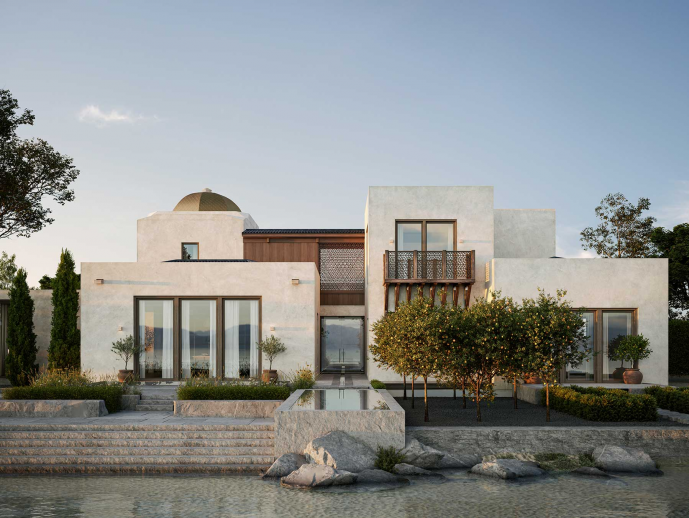
03/18/2026Luxury homes today are defined by more than appearance. They are shaped by how they support daily life, how they respond to their surroundings, and how they promote a sense of well-being. This shift has led many homeowners to work with experienced residential architects, who approach design as a balance between lifestyle, environment, and long-term comfort.
Understanding Lifestyle as a Starting Point
Every home begins with the people who live in it. Daily routines, personal preferences, and long-term goals all influence how a space should function. A well-designed home reflects these patterns, making everyday life feel more natural and efficient.
Designers often begin by asking simple questions. How does the day start and end? Where do people gather, and where do they seek privacy? These insights guide decisions about layout, room placement, and flow.
When a home aligns with lifestyle in this way, it becomes easier to live in. Spaces feel intuitive, and movement through the home happens without effort.
Designing for Wellness and Comfort
Wellness has become an important part of residential design. Homeowners are looking for spaces that support both physical and mental well-being. This includes access to natural light, fresh air, and materials that create a sense of calm.
Design choices can influence how a space feels throughout the day. Large windows bring in daylight, while thoughtful orientation helps manage temperature and glare. Natural materials add warmth and texture, creating a more inviting environment.
These elements work together to create a home that feels balanced. Comfort is not limited to furniture or finishes. It is built into the structure of the space itself.
Connecting the Home to Its Surroundings
A strong connection to the surrounding environment adds depth to a home. Views, landscape, and climate all play a role in shaping design decisions. When these factors are considered early, the home feels more integrated with its setting.
This connection can take many forms. Windows may frame natural features, while outdoor spaces extend the living area beyond the walls. Materials can reflect the colors and textures of the local environment, creating a sense of continuity.
Homes that respond to their surroundings often feel more grounded. They become part of the landscape rather than separate from it.
Creating Spaces That Adapt Over Time
A well-designed home should remain functional as needs change. Families grow, routines shift, and spaces may take on new roles over time. Flexibility in design allows the home to adapt without requiring major changes.
This can be achieved through thoughtful planning. Multi-use spaces, adaptable layouts, and durable materials all support long-term usability. By considering future needs, designers create homes that continue to serve their purpose for years to come.
Adaptability adds value by reducing the need for frequent updates. It also helps maintain a consistent sense of comfort and familiarity.
Balancing Aesthetics and Function
In luxury residential design, aesthetics and function work together. A home should look refined, but it must also perform well in everyday use. This balance is achieved through careful attention to detail.
Materials, finishes, and proportions all contribute to the visual experience. At the same time, layout, circulation, and usability ensure that the space works as intended. When both aspects are considered equally, the result feels complete.
This approach avoids unnecessary complexity. Instead, it focuses on creating spaces that are both beautiful and practical.
The Role of Craftsmanship and Detail
Details play a significant role in how a home is experienced. Small elements, such as how materials meet or how light interacts with surfaces, can influence the overall impression of a space.
High-quality craftsmanship ensures that these details are executed with care. This attention to detail supports both durability and visual clarity. Over time, it contributes to a home that continues to feel well made and thoughtfully designed.
A focus on craftsmanship reflects a commitment to quality. It shows that every aspect of the home has been considered.
A More Meaningful Approach to Luxury Living
Modern luxury is often defined by experience rather than excess. It is about creating spaces that feel personal, comfortable, and connected to their environment. This approach values quality, intention, and long-term usability.
By focusing on lifestyle, wellness, and place, homeowners can create spaces that support daily life in a meaningful way. The result is a home that feels both refined and welcoming.
In this context, design becomes more than a visual statement. It becomes a foundation for how people live, relax, and connect with the world around them.
Comments
