Categories more
- Adventures (62)
- Arts / Collectables (14)
- Automotive (53)
- Aviation (11)
- Bath, Body, & Health (76)
- Children (6)
- Cigars / Spirits (71)
- Cuisine (64)
- Design/Architecture (22)
- Electronics (13)
- Entertainment (4)
- Event Planning (12)
- Fashion (45)
- Finance (10)
- Gifts / Misc (6)
- Home Decor (45)
- Jewelry (41)
- Pets (3)
- Philanthropy (1)
- Real Estate (16)
- Services (23)
- Sports / Golf (14)
- Vacation / Travel (66)
- Watches / Pens (14)
- Wines / Vines (33)
- Yachting / Boating (67)


Why Luxury Healthcare Depends on More Than Beautiful Facilities

Published
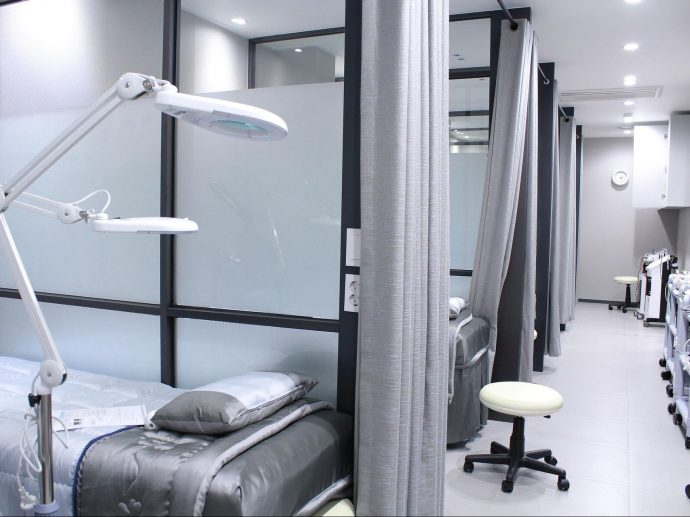
06/09/2026A private room can have good linens, soft lighting, and coffee that doesn’t taste like it came from a vending machine. Those details help. Nobody wants to feel cold, exposed, or lost while waiting for test results or recovering from a procedure.
Still, comfort wears thin fast when the front desk is confused, the handoff is sloppy, or no one explains what happens next. High-end healthcare has to feel well cared for in the room and in the way people are treated minute by minute.
The Room Only Gets You So Far
A well-designed space can make a hard day easier. Clear signs keep people from wandering. A quieter waiting area helps a family member sit without feeling stared at. A door that closes properly can make a personal conversation feel less public.
But the room can’t apologize for a missed update. It can’t tell a patient why the doctor is late or help a spouse understand discharge instructions. Real luxury shows up when the setting supports the staff instead of asking the setting to do the whole job. That’s why what happens between patients and staff matters as much as the look of the space.
Training Makes the Experience Feel Reliable
Patients notice when care depends on who happens to be working. One nurse explains every step, the next assumes the patient already knows. One receptionist handles a delay kindly, another makes the person feel like a problem.
In a premium setting, healthcare professional development benefits show up in small but visible ways. Staff know how to introduce themselves, explain delays, protect privacy, write notes others can use, and pass concerns along before the patient has to repeat the same story again.
That kind of consistency doesn’t make care feel scripted. It makes the patient feel less like they’re managing the process themselves.
Communication Is Part of the Luxury
A patient can be offered a warm blanket and still feel uneasy if the answers are vague. A family can sit in a quiet lounge and still feel forgotten if no one comes back when promised. The nicest room in the building can’t soften the feeling of being left to guess.
Good communication sounds ordinary when it’s done well. Staff say who they are. They explain what they know and what they’re still waiting on. They don’t bury people in medical terms to sound impressive. They check whether instructions made sense before moving to the next room.
The need is not limited to doctors. Front desk teams, aides, nurses, billing staff, and coordinators all affect whether care feels careful or rushed. Healthcare teams that invest in communication, leadership, and cultural humility are better prepared for the moments when tone and timing matter.
Privacy Should Not Feel Fragile
Luxury patients may expect discretion, but privacy matters to everyone. No one wants to hear their diagnosis repeated at a busy desk or watch paperwork sit where another visitor can read it.
Privacy has to be built into habits, not just policies. Staff should lower their voices, move sensitive conversations out of public areas, and treat digital records with the same care as face-to-face conversations. In a high-end environment, small lapses stand out because the rest of the setting has promised more attention.
Staff Experience Shows Up in Patient Experience
Patients can tell when staff are stretched too thin or working around clumsy systems. If supplies are missing, notes don’t travel, or nobody knows who is responsible for the next update, the polished parts start to feel like decoration.
The best facilities make good care easier to deliver. They give staff the training, time, tools, and support to do the work well. Design opens the door, but people decide whether the experience feels worthy of the setting.
Comments
