Categories more
- Adventures (209)
- Arts / Collectibles (376)
- Automotive (814)
- Aviation (378)
- Bath, Body & Health (1659)
- Children (118)
- Cigars / Spirits (281)
- Cuisine (723)
- Design / Architecture (1119)
- Electronics (230)
- Entertainment (162)
- Event Planning (295)
- Fashion (552)
- Finance (199)
- Gifts / Misc (141)
- Home Decor (576)
- Jewelry (411)
- Pets (92)
- Philanthropy (124)
- Real Estate (394)
- Services (223)
- Sports / Golf (213)
- Vacation / Travel (1056)
- Watches / Pens (233)
- Wines / Vines (862)
- Yachting / Boating (9084)



Why Luxury Vacation Homes Remain a Favorite Asset of the Wealthy, and How Ownership Is Changing

Published
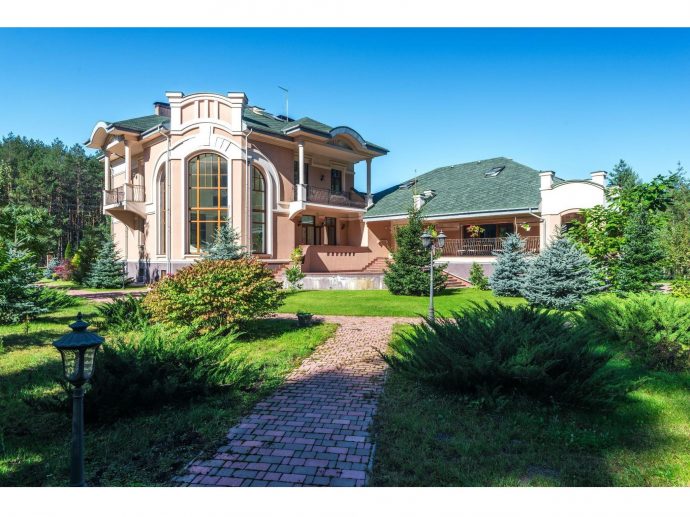
10/28/2026Ask wealthy families what they own beyond stocks and bonds, and a vacation home often comes up early. A chalet in the Rockies. A villa on the Amalfi Coast. A beach house in Hawaii that three generations call home for a few weeks each year.
Few assets combine pleasure and value in quite the same way. Here is why luxury vacation homes keep their appeal, what they really cost, and how a new generation of buyers is rethinking what ownership looks like.
An Asset You Can Enjoy
Most investments are invisible. You check a statement, see a number, and move on.
A vacation home is different. It holds value while giving something back every time you use it: time with family, a place to rest, and memories that last longer than any quarterly return. For many owners, that daily enjoyment is a large part of the return.
Scarcity in the Best Locations
There is only so much oceanfront in Maui and only so many homes within walking distance of the lifts in Park City. Prime land in top destinations is limited, and strict building rules in many resort areas keep it that way.
That scarcity is one reason well-located luxury homes have long attracted buyers who think in decades rather than months. Still, no market only goes up. Resort areas can see sharp swings when travel slows or economic conditions change.
Diversification Beyond Paper Assets
Real estate tends to behave differently from stocks and bonds. Owning property in another region, or another country, can spread risk across different economies and currencies.
It is not a perfect hedge. Real estate is slow to sell, and foreign property comes with its own legal and tax rules. But for many wealthy families, a well-chosen home sits comfortably alongside more traditional holdings.
The Costs Nobody Posts Online
Behind every beautiful vacation photo is a long list of bills. Property taxes, insurance, staff, landscaping, pool care, security, and repairs continue all year, even when the home sits empty.
Distance adds another layer. Someone has to manage contractors, check on the home after storms, and have everything ready before you arrive. Many owners find that a home they use for a few weeks a year takes far more time and money than they expected.
How Ownership Is Changing
These pressures have pushed many buyers to look beyond the traditional model of one family, one home.
Co-ownership lets a small group of buyers share a single property, along with its costs and calendar. Professional managers handle scheduling and upkeep.
Vacation home funds go a step further. Investors pool their capital to buy a portfolio of luxury homes in several destinations. The homes are held for a set period, often around a decade, then sold. In the meantime, investors can enjoy rent-free vacations across the portfolio instead of returning to the same house every year.
These models trade some control for convenience and variety. They also come with their own fine print, including fees, booking rules, and limits on when you can exit. Private funds are generally open only to accredited investors.
Questions Worth Asking First
Whatever route you choose, a few questions help separate a smart purchase from an expensive indulgence:
- How many weeks a year will you realistically use it?
- What are the total annual costs, not just the purchase price?
- How easily could you sell, and how long might that take?
- Who will manage the property while you are away?
- Does the ownership structure fit your estate plan?
A trusted financial advisor and a real estate attorney can help you answer these before you commit.
The Lasting Appeal
Luxury vacation homes endure because they offer something rare: an asset that can hold its value while making life richer along the way.
What is changing is how people own them. Whether you buy outright, share, or invest alongside others, the goal is the same: more time in beautiful places, with fewer headaches attached.