Categories more
- Adventures (62)
- Arts / Collectables (14)
- Automotive (77)
- Aviation (65)
- Bath, Body, & Health (123)
- Children (6)
- Cigars / Spirits (71)
- Cuisine (66)
- Design/Architecture (22)
- Electronics (63)
- Entertainment (36)
- Event Planning (115)
- Fashion (45)
- Finance (10)
- Gifts / Misc (6)
- Home Decor (118)
- Jewelry (41)
- Pets (3)
- Philanthropy (1)
- Real Estate (16)
- Services (44)
- Sports / Golf (14)
- Vacation / Travel (85)
- Watches / Pens (33)
- Wines / Vines (34)
- Yachting / Boating (67)


Why Material-Driven Luxury Still Outlasts Seasonal Fashion Noise

Published
03/25/2026Luxury fashion tends to attract attention when it becomes louder, more experimental, or more visibly expensive. Yet the pieces that remain relevant year after year are often the ones built around material quality, tactile depth, and a sense of permanence rather than novelty. Luxury Lifestyle’s editorial mix spans fashion, jewelry, home, travel, and real estate, which makes this quieter idea of luxury especially relevant to its audience: the real marker of refinement is often not excess, but discernment.
That shift matters because many affluent buyers are no longer looking only for statement pieces that photograph well in the moment. They are also paying closer attention to what something is made of, how it wears over time, and whether it still feels meaningful after trends move on. In that environment, jewelry and knitwear become especially revealing categories, because both depend on material integrity in a way that fast-moving fashion cannot easily imitate.
Luxury Has Become More Tactile Than Theatrical
One of the clearest changes in luxury buying is the renewed importance of tactile experience. A polished object, a dense knit, or a precious metal finish communicates value differently from overt branding because it asks the wearer to appreciate substance rather than spectacle.
That makes material-led fashion especially resilient in a crowded market. When luxury becomes too dependent on trend cycles, it risks looking dated almost as quickly as it looked desirable, while pieces grounded in weight, texture, and workmanship tend to hold their appeal because they continue to feel convincing in person.
Jewelry Works Best When Value Is Visible in the Material
Fine jewelry has always occupied a distinct place in luxury because the object itself carries inherent value beyond styling. That becomes more noticeable when the conversation moves away from decoration alone and toward purity, craftsmanship, and how transparently a piece is presented to the buyer.
That is part of what makes names such as Kuvera Jewelry fit naturally into a broader discussion of modern luxury. The brand centers its offer around pure 24K gold pieces and emphasizes visible gram weight, current market value, and maker fee, which aligns luxury not just with appearance, but with clarity about what the customer is actually purchasing.
Knitwear Carries Luxury Through Heritage Rather Than Hype
Knitwear occupies a different but equally important side of the luxury conversation. It does not rely on shine or rarity in the same way fine jewelry does, yet it can communicate permanence, cultural depth, and restraint more effectively than many trend-led categories.
That is why heritage-driven labels still matter in contemporary wardrobes. With Aran, the appeal is tied to the history of the Aran Islands, the longstanding identity of the Aran sweater, and the continued emphasis on Irish-made knitwear, which gives the garment a cultural and material story that feels deeper than seasonal styling alone.
The Most Credible Luxury Pieces Reward Material Literacy
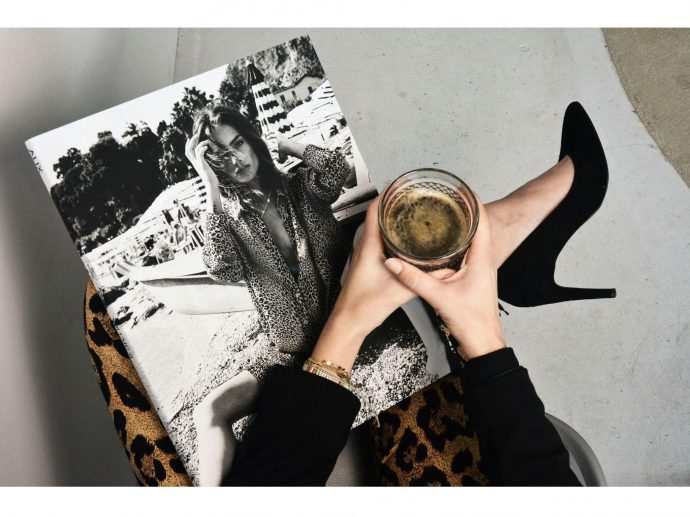
Photo by Laura Chouette on Unspash
A more informed buyer changes the way luxury is evaluated. People who once focused mainly on silhouette or logo now pay closer attention to karat levels, fibre quality, durability, and whether a product’s claims can be understood without marketing translation.
That is where credible standards and material education become useful. GIA notes that 24K gold is pure gold, while lower karat gold contains a greater proportion of alloyed metals, which helps explain why purity still carries such weight in fine-jewelry buying and why material disclosure matters so much when luxury brands frame themselves around intrinsic value rather than image alone.
Quiet Luxury Depends on Repetition, Not Just First Impressions
A genuinely luxurious piece should not feel impressive only the day it is acquired. It should continue to justify its presence through repeated wear, changing contexts, and an ability to remain aesthetically stable even as the rest of a wardrobe evolves.
That principle is one reason quiet luxury has remained influential. A pure gold bracelet, a well-made knit, or a refined coat does not need to dominate an outfit to define it; instead, its value appears through repetition, because the wearer keeps returning to it and finds that it still feels relevant months or years later.
Heritage Matters Most When It Shapes Present-Day Use
Heritage can easily become decorative language in luxury marketing, but it has more meaning when it continues to shape how a product is worn and understood today. The best heritage-driven products are not museum pieces; they remain active because the qualities that made them important in the past still serve a purpose in the present.
That is why old categories like gold jewelry and wool knitwear continue to feel modern. Their durability comes from the fact that they solve enduring luxury desires at once: beauty, identity, comfort, permanence, and a sense that the object belongs to a longer cultural story rather than to a passing seasonal moment.
Luxury Buyers Are Increasingly Choosing Fewer, Better Things
Another defining feature of the current luxury mindset is selectivity. Buyers may still spend at a premium level, but the emphasis has shifted toward pieces that justify space in a wardrobe or personal collection through longevity and versatility rather than volume.
That change benefits categories built on trust. Jewelry grounded in purity and transparent value, or knitwear rooted in material credibility and traditional making, fits naturally into a more selective approach because both offer something that fashion noise cannot: a reason to keep the piece, not just desire it briefly.
Personal Style Becomes Stronger When Materials Do the Talking
The strongest personal style rarely comes from owning the most items. It usually comes from understanding which materials, finishes, and silhouettes communicate the wearer’s preferences with the least effort and the greatest consistency.
That is why material-driven luxury continues to outlast louder cycles of consumption. When the focus returns to purity, texture, workmanship, and heritage, style becomes less about keeping pace with novelty and more about building a visual language that feels settled, intelligent, and unmistakably personal.
Comments
