Categories more
- Adventures (199)
- Arts / Collectibles (315)
- Automotive (219)
- Aviation (279)
- Bath, Body & Health (513)
- Children (116)
- Cigars / Spirits (271)
- Cuisine (723)
- Design / Architecture (1118)
- Electronics (222)
- Entertainment (162)
- Event Planning (295)
- Fashion (550)
- Finance (195)
- Gifts / Misc (141)
- Home Decor (558)
- Jewelry (396)
- Pets (91)
- Philanthropy (124)
- Real Estate (386)
- Services (221)
- Sports / Golf (213)
- Vacation / Travel (1036)
- Watches / Pens (223)
- Wines / Vines (861)
- Yachting / Boating (7300)



Why Personal Wellbeing Is Becoming a Status Symbol

Published
06/09/2026For decades, status symbols were easy to identify. Luxury cars, designer wardrobes, exclusive memberships, and impressive homes often signaled success and social standing. While these markers still carry influence, people are increasingly placing value on personal well-being.
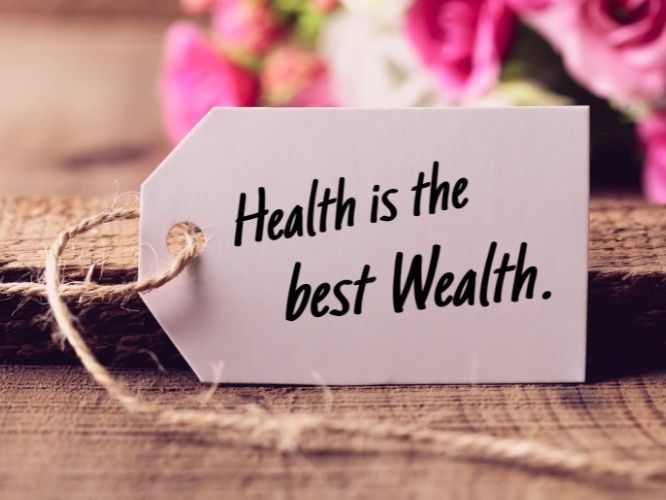
Today, looking after your physical and mental health is becoming a reflection of how you invest in yourself. Rather than being viewed solely as a personal matter, health is increasingly associated with quality of life, confidence, and long-term success.
This shift raises an interesting question: why has personal wellbeing become such a powerful status symbol?
The Definition of Success Is Changing
Traditional measures of success often focused on external achievements. Career progression, financial growth, and material possessions were commonly used to evaluate how well someone was doing in life.
While these factors still matter, many people are now recognising that success means little if it comes at the expense of health. Long working hours, chronic stress, poor sleep, and unhealthy habits can undermine even the most impressive professional accomplishments.
As a result, a new definition of success is emerging. It places greater emphasis on balance, sustainability, and personal fulfilment. People increasingly admire individuals who appear energetic, healthy, and capable of maintaining a positive quality of life alongside their responsibilities.
This shift has encouraged more conversations around wellbeing, making healthy living a visible part of modern achievement rather than a private concern.
Wellness Reflects Intentional Living
One reason wellbeing has become associated with status is that it often requires conscious effort. Maintaining healthy habits rarely happens by accident.
Many people view wellness-focused behaviours as signs of intentional living, including:
- Prioritising regular exercise
- Preparing balanced meals
- Managing stress effectively
- Creating healthy sleep routines
- Scheduling preventative healthcare appointments
- Making time for recovery and relaxation
These actions demonstrate a commitment to long-term health rather than short-term convenience. In many ways, wellbeing has become a reflection of personal values. Just as previous generations might have invested heavily in luxury goods, modern consumers are increasingly investing in experiences, services, and routines that support their physical and mental health.
Access to Health Resources Is Becoming More Important
Another reason wellbeing is gaining status is the growing availability of personalised health support. People are becoming more proactive about understanding their bodies, addressing health concerns, and seeking guidance before problems become more serious.
This trend extends beyond traditional healthcare settings. Online consultations, digital health platforms, and specialist services have made it easier for individuals to access information and support tailored to their needs.
For example, providers such as Curely offer access to healthcare services that help people explore different treatment pathways under professional supervision. As conversations around weight management and preventative health continue to evolve, many individuals are becoming more informed about the options available to support their wellbeing goals.
The ability to take an active role in personal health is increasingly viewed as an investment in future quality of life rather than simply a response to illness.
Health Has Become Part of Personal Presentation
Personal appearance has always influenced first impressions, but attitudes towards appearance are becoming increasingly linked to wellbeing rather than aesthetics alone.
Many people now associate qualities such as vitality, energy, and confidence with good health. Rather than striving for perfection, the focus has shifted towards looking and feeling well.
This can influence several aspects of daily life, including:
- Professional Confidence: People often feel more confident when they have the energy and wellbeing needed to perform at their best.
- Social Experiences: Physical and mental wellbeing can support greater participation in social activities, travel, and hobbies.
- Long-Term Independence: Maintaining good health may help individuals remain active and engaged throughout different stages of life.
These factors contribute to the growing perception that wellbeing enhances overall quality of life.
The Rise of Preventative Health
Another major shift is the growing interest in prevention rather than reaction. Instead of waiting for health issues to develop, many people are taking steps to support their wellbeing before problems arise.
This includes:
- Regular health assessments
- Improved nutrition habits
- Better sleep hygiene
- Stress management techniques
- Increased physical activity
- Seeking professional guidance when appropriate
Preventative health aligns with a broader cultural movement towards long-term thinking. People are recognising that small, consistent actions today can contribute to better outcomes in the future.
As a result, wellbeing is increasingly viewed as something that can be cultivated and protected rather than something that should only receive attention during periods of illness.
Wellness Is Influencing Lifestyle Choices
The growing focus on wellbeing can be seen across multiple industries. Luxury travel, hospitality, fashion, and even dining experiences are incorporating wellness elements into their offerings.
This trend reflects changing consumer priorities. Many people are no longer seeking experiences that simply feel indulgent. Instead, they are looking for experiences that contribute positively to how they feel.
This might include:
- Wellness-focused holidays
- Spa and recovery experiences
- Fitness-centred travel itineraries
- Nutritious dining options
- Mindfulness and stress-management activities
The popularity of these experiences highlights how wellbeing has become integrated into broader lifestyle aspirations. Within this evolving landscape, Curely represents part of a wider movement towards accessible healthcare solutions that support individuals in taking a proactive approach to their health goals.
Why Wellbeing May Remain a Lasting Status Symbol
Unlike many traditional status symbols, wellbeing offers benefits that extend far beyond appearance or social perception. Good health can influence energy levels, productivity, relationships, confidence, and overall quality of life.
For this reason, the growing emphasis on wellbeing is unlikely to be a passing trend. As people continue to place greater value on longevity, balance, and personal fulfilment, health is likely to remain a defining feature of modern success.
Importantly, wellbeing is also highly personal. It is not about achieving a particular image or following the latest trend. Instead, it involves making choices that support individual needs, goals, and circumstances.
Conclusion
Personal wellbeing is becoming a status symbol because it reflects something many people increasingly value: the ability to live well. As definitions of success continue to evolve, health is taking its place alongside career achievement and financial stability as an important measure of quality of life.
Whether through healthier habits, preventative healthcare, improved work-life balance, or greater self-awareness, people are recognising the value of investing in themselves. Ultimately, wellbeing is not about projecting an image of success. It is about creating a foundation that allows individuals to enjoy and sustain success in the first place.
Comments
