Categories more
- Adventures (177)
- Arts / Collectables (166)
- Automotive (172)
- Aviation (228)
- Bath, Body, & Health (382)
- Children (81)
- Cigars / Spirits (190)
- Cuisine (508)
- Design/Architecture (264)
- Electronics (162)
- Entertainment (124)
- Event Planning (247)
- Fashion (369)
- Finance (91)
- Gifts / Misc (101)
- Home Decor (399)
- Jewelry (253)
- Pets (53)
- Philanthropy (44)
- Real Estate (242)
- Services (160)
- Sports / Golf (151)
- Vacation / Travel (861)
- Watches / Pens (162)
- Wines / Vines (619)
- Yachting / Boating (220)



Why Proportion Matters in Luxury Interior Design

Published
10/19/2025In the world of luxury interior design, every detail is crucial to creating a space that feels both functional and aesthetically stunning. One of the most important elements that can elevate a room from ordinary to extraordinary is proportion. Whether you're working with a grand mansion or a smaller upscale apartment, proportion is the key to ensuring the design is harmonious and sophisticated. In this article, we’ll explore how proportion affects luxury interiors, why it matters, and how modern design elements balance comfort and sophistication to achieve the perfect luxury atmosphere.
Understanding Proportion in Interior Design
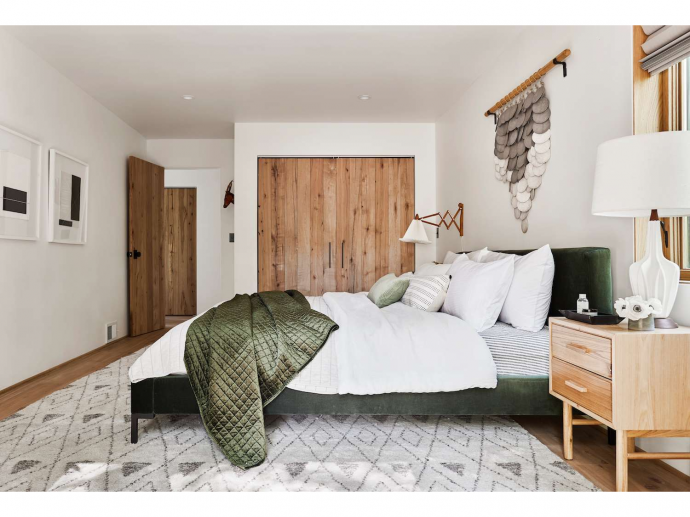
Proportion refers to the relationship between the size of elements within a space. In interior design, it's about ensuring that furniture, lighting, artwork, and architectural features are scaled appropriately to one another. A well-proportioned room creates a sense of balance and harmony, where each item feels integrated into the space rather than overwhelming or underwhelming. This attention to scale is particularly important in luxury design, where every element must reflect a sense of grandeur and refinement.
When proportions are off, even the most luxurious furniture or high-end finishes can feel misplaced. A large sofa in a small room can dominate the space, making it feel cramped. Similarly, tiny accessories in an expansive room can look insignificant, losing their impact. Luxury design is all about balance—achieving a look that feels effortlessly elegant and expansive.
The Role of Proportion in Different Design Elements
1. Furniture and Layout
In luxury interiors, furniture is not only chosen for its beauty and quality but also for how it fits into the overall layout. Proper proportion ensures that the furniture doesn’t crowd the room or feel disproportionate to its surroundings. For instance, in a spacious living room, large-scale furniture like a sectional sofa or a grand piano can work beautifully, as long as there’s enough space to allow each piece to stand out without overwhelming the room. In contrast, in a smaller space, more streamlined furniture is necessary to maintain a feeling of openness.
The placement of furniture also plays a role in proportion. Arranging pieces to create natural flow and balance is critical. For example, ensuring that seating areas are spaced evenly and symmetrically around a focal point, such as a fireplace or chandelier, can enhance the sense of proportion within the room.
2. Ceiling Heights and Vertical Proportions
Ceiling height is another key factor in luxury interiors. High ceilings can create an airy, open feeling, but they also require careful consideration of vertical proportions. For example, tall furniture or vertically designed artwork can draw the eye upward, emphasizing the height of the space. However, too many large vertical elements can make a room feel top-heavy and unbalanced.
On the other hand, low ceilings require a different approach to proportion. In these cases, using lower-profile furniture and smaller-scale lighting fixtures can help avoid the feeling of being overwhelmed by the space above. Proportion is about ensuring that every aspect of the room is in harmony with the others, creating a space that feels cohesive.
3. Art and Decor
Artwork and decorative objects add personality and character to a room, but they must be in proportion with the space and other elements around them. Overly large artwork can feel out of place in a small room, while too many tiny pieces in a large space can make the room feel cluttered. In luxury interior design, art is often used as a statement piece, but it should still complement the overall scale of the room.
When selecting art for a luxury space, it’s important to consider the size of the wall and the surrounding furniture. A large canvas might work beautifully above a fireplace or on an expansive wall, while a gallery wall of smaller pieces can create a dynamic effect without overwhelming the space.
4. Lighting Fixtures
Lighting is essential to setting the tone of a room, and the right lighting fixtures are integral to the design’s proportion. A grand chandelier may be stunning in a large entryway or dining room, but it could be overwhelming in a smaller space. Similarly, a series of small pendant lights in a large kitchen could feel underwhelming, making the space feel disjointed.
Properly scaled lighting creates balance and helps define zones within a room. For example, in an open-plan living area, a large, statement light fixture above the dining table can anchor the space, while smaller task lighting can be used in seating areas to create intimacy and warmth.
5. Architectural Features
Proportion extends beyond furniture and decor to the architectural features of a space. The scale of doors, windows, and moldings can all affect the overall feel of the room. Luxury interiors often feature custom architectural elements like crown molding, large windows, and grand doorways, all of which must be in proportion to the rest of the space.
Oversized windows in a smaller room can create a sense of openness and connection to the outside, while appropriately sized doors can help create a seamless transition between rooms. Attention to detail in these features ensures the space feels designed with purpose and care.
The Importance of Proportion in Creating Luxury
In luxury interior design, proportion is not just about ensuring that objects fit within a room; it’s about creating a space that feels inherently elegant and refined. Proper proportion elevates the overall aesthetic of a room, making it feel comfortable, inviting, and luxurious. By carefully balancing the size, scale, and layout of each element, designers create rooms that feel thoughtfully curated, rather than cluttered or chaotic.
In luxury design, there’s often a focus on creating spaces that are both visually stunning and highly functional. Proper proportion allows for the integration of modern design elements that balance comfort and sophistication. A well-proportioned room feels effortless, with each element working in harmony to create a space that feels cohesive, luxurious, and comfortable.
How Proportion Affects Mood and Functionality
Proportion has a direct impact on the mood and functionality of a space. When proportion is right, a room feels balanced and harmonious, which can evoke a sense of calm and well-being. On the other hand, when the proportions are off, the room may feel uncomfortable, either too cramped or too empty, leading to a sense of unease.
Luxury design is about creating spaces that not only look beautiful but also function well. A well-proportioned room ensures that each element serves a purpose without overwhelming the space. This balance between form and function is essential to creating a truly luxurious atmosphere.
Conclusion
Proportion plays an essential role in luxury interior design. From furniture placement and ceiling heights to artwork and lighting, every element must be carefully considered to ensure it is in harmony with the overall space. When proportion is carefully managed, a room feels balanced, sophisticated, and inviting. The key to luxury design is achieving a seamless integration of all elements, allowing the space to feel luxurious without being overwhelming. By understanding and applying the principles of proportion, designers can create spaces that are both visually striking and highly functional, embodying the essence of true luxury.
Comments
