Categories more
- Adventures (62)
- Arts / Collectables (14)
- Automotive (77)
- Aviation (68)
- Bath, Body, & Health (127)
- Children (6)
- Cigars / Spirits (72)
- Cuisine (68)
- Design/Architecture (22)
- Electronics (66)
- Entertainment (40)
- Event Planning (116)
- Fashion (47)
- Finance (10)
- Gifts / Misc (7)
- Home Decor (118)
- Jewelry (41)
- Pets (3)
- Philanthropy (1)
- Real Estate (19)
- Services (60)
- Sports / Golf (38)
- Vacation / Travel (101)
- Watches / Pens (72)
- Wines / Vines (34)
- Yachting / Boating (76)



Why the Loudest Craps Table Draws the Shyest Players

Published
11/27/2025Craps is one of the noisiest and most energetic games in any casino. Dice fly, dealers shout payouts and players cheer on every roll. Yet, paradoxically, some of the quietest and most introverted gamblers are drawn to the chaos. This unexpected attraction isn’t coincidence—it’s psychology, social signaling and game structure all at once.
Noise That Defines Craps
Craps tables are designed for spectacle. They can seat up to 16 players, surrounded by staff including two base dealers, a stickman and a boxman. The average payout rate in craps is around 98.6% when sticking to basic bets like Pass Line or Don’t Pass, making it statistically friendly for players compared to slots or roulette.
That fairness encourages long play sessions, which naturally build emotional highs and crowd noise. Sites like Lucky Twice online casino use this “energy zone” concept to keep foot traffic flowing. It’s no accident that craps tables are placed in visible areas—usually near walkways or high-limit zones—to let sound and excitement spill into quieter areas.
Physical Setup Adds Pressure
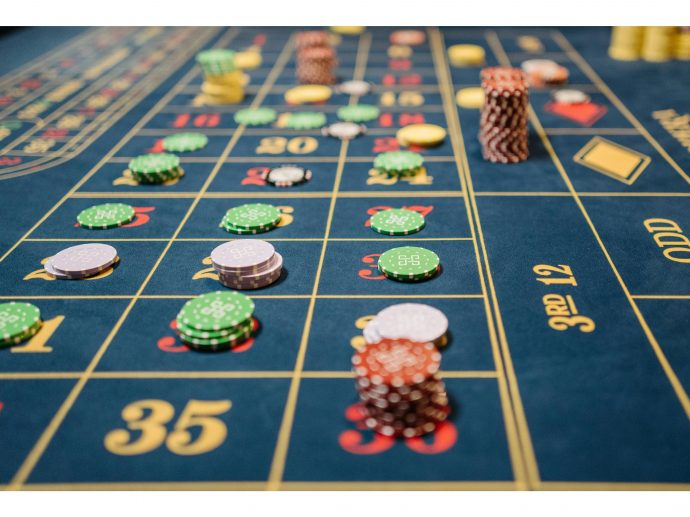
The semicircular design of the craps table is unique. Unlike blackjack, where players face only the dealer, craps players face each other and share the same fate on the dice roll. This communal structure creates a “shared victory” moment that amplifies cheers. It also allows quieter players to blend in, hiding in the crowd while participating in the outcome.
Why Shy Players Gravitate to the Loudest Games
Shy or introverted players are often overstimulated by noise but also drawn to group energy that lets them mask their presence. In craps, no one is judged for being quiet—the dice do all the talking.
According to behavioral research by the University of Nevada’s Center for Gaming Studies, players who describe themselves as “socially cautious” are 42% more likely to join a group game if it involves collective outcomes. Craps, baccarat and roulette share this trait, but craps amplifies it with every shout of “Seven out!” or “Hard eight!”
Shield of Group Participation
The loud table acts as a social buffer. While the spotlight is on the shooter, others can quietly place bets and celebrate without small talk. For shy players, it’s a safe space where participation doesn’t require performance.
Here’s a quick comparison of how different games attract various personalities:
|
Game Type |
Typical Player Personality |
Social Pressure Level |
Noise Level |
|
Craps |
Reserved but observant |
Low for non-shooters |
Very High |
|
Blackjack |
Analytical and assertive |
Medium |
Moderate |
|
Roulette |
Curious and patient |
Low |
Medium |
|
Slots |
Independent and private |
None |
Low |
Energy as a Strategic Advantage
Noise isn’t just atmosphere—it influences betting behavior. Studies in casino design show that elevated sound levels (above 80 dB) can increase average wager size by up to 12%. The reason lies in tempo and emotional contagion: players unconsciously match the energy around them.
At the craps table, the rhythm of rolling dice and shouted results creates a form of behavioral synchronization. Even reserved players feel compelled to join in on “hot streaks,” mirroring confident bettors nearby. This momentum can make the table seem almost alive—what psychologists call “collective arousal.”
Emotional Contagion and Group Wins
When someone wins, the entire table feels the surge. This phenomenon isn’t random—it’s hardwired. Neuroscientific research using MRI scans shows that seeing others win triggers the brain’s mirror neurons, creating shared emotional responses. This explains why introverts who dislike socializing can still feel deeply connected to the group atmosphere at a craps table.
How Casinos Harness Craps Energy
Casinos don’t leave the table placement to chance. Designers know that energy radiates outward. At MGM Grand in Las Vegas, the craps pit is placed between high-traffic slot sections to draw quieter slot players toward the excitement.
Lighting and sound also play a major role. Most craps tables are brightly lit with focused spotlights, while surrounding games are dimmer. Dealers are trained to keep chatter constant—announcing rolls, payouts and encouraging table banter. This deliberate soundscape helps sustain the illusion of perpetual motion.
Design of Controlled Chaos
Even the dice rolls are part of the choreography. Casinos require shooters to hit the back wall to ensure fair randomness, but this also produces a distinct clattering sound—an acoustic signature recognized instantly by regulars. The sound itself becomes a trigger for engagement, similar to the slot machine’s spin noise.
Shyness Meets Strategy
While craps looks chaotic, it’s among the most mathematically disciplined games. The best bets—Pass Line, Come and Don’t Come—have a house edge between 1.36% and 1.41%. Compare that to slot machines averaging a 5% to 12% edge and you can see why risk-conscious, detail-oriented players find comfort in the numbers behind the noise.
Comments
