Categories more
- Adventures (62)
- Arts / Collectables (14)
- Automotive (77)
- Aviation (65)
- Bath, Body, & Health (123)
- Children (6)
- Cigars / Spirits (71)
- Cuisine (66)
- Design/Architecture (22)
- Electronics (63)
- Entertainment (36)
- Event Planning (115)
- Fashion (45)
- Finance (10)
- Gifts / Misc (6)
- Home Decor (118)
- Jewelry (41)
- Pets (3)
- Philanthropy (1)
- Real Estate (16)
- Services (44)
- Sports / Golf (14)
- Vacation / Travel (85)
- Watches / Pens (33)
- Wines / Vines (34)
- Yachting / Boating (67)



Why the World's Most Beautiful Homes Prioritize Maintenance Over Design

Published
06/10/2026You've seen it. A house with stunning finishes, gorgeous furniture, designer lighting — and it still looks off.Then you walk into a simple home. Clean walls. Solid floors. Everything works. And it feels like a million bucks.
Why? Because the most beautiful homes in the world aren't just designed well. They're maintained relentlessly.
The Dirty Truth About Home Design
Most homeowners get this backwards.
They dump money into aesthetics — new countertops, accent walls, trendy fixtures — then skip the boring stuff. The gutters. The paint touch-ups. The roof inspection.
Here's what happens next:
- Scuffed baseboards make expensive furniture look cheap
- A leaking window ruins a $3,000 wall treatment
- Peeling exterior paint tanks your curb appeal before anyone steps inside
No design choice survives neglect. None.
What the World's Most Beautiful Homes Actually Have in Common
Look at high-end homes in Malibu, the Italian countryside, or old-money neighborhoods in Boston.
They're not always the most trendy. But they're immaculate.
The pattern is always the same:
- Walls that are clean and dry
- Floors that are level and solid underfoot
- Fixtures that actually function
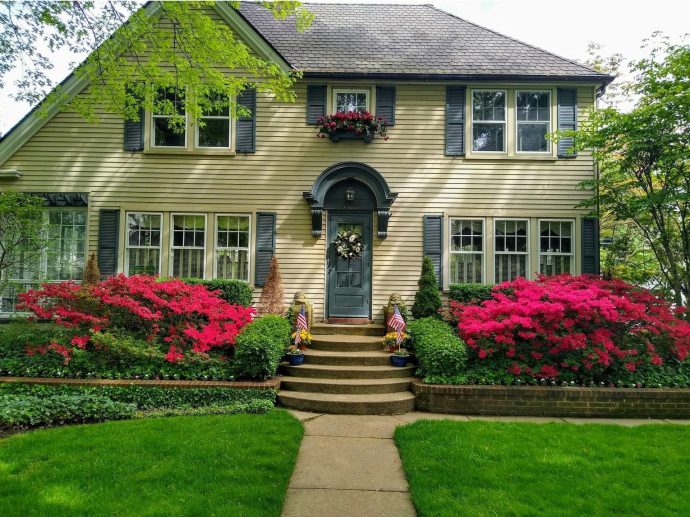
- Exteriors that look intentional, not forgotten
That's not glamour. That's structural integrity meeting visual harmony — and it's what separates a beautiful home from an expensive one.
Why Maintenance Beats Design Every Single Time
Think of it like owning a classic car.
You wouldn't park a 1967 Mustang in your driveway and let the paint oxidize. You'd wax it. Check the engine. Keep it pristine. Your home works the same way.
A friend of mine renovated her kitchen — quartz counters, custom cabinets, the works. Spent $40K. Two years later, a slow leak under the sink had warped the cabinet bases and left a mold smell she couldn't shake.
The $40K looked like $10K because she skipped the $200 annual plumbing check.
The Maintenance Habits That Protect Your Home's Beauty
You don't need a huge budget. You need consistency.
The smartest homeowners treat cleanliness as a non-negotiable — many even work with Elite Maids cleaning professionals to keep interiors in pristine condition between bigger maintenance tasks. Because a dusty, grimy home undoes even the best design work fast.
Here's what the owners of the world's most well-kept homes actually do:
Exterior (the first impression that sets everything else up):
- Fresh paint or a touch-up every 2–3 years
- Gutters cleaned every season
- Siding, caulking, and windows inspected annually
- Landscaping kept intentional — not overgrown, not bare
Interior (where design actually lives):
- Fix loose hinges, sticking doors, and scuffed walls before guests notice
- Keep furniture in good repair — a wobbly leg changes how an entire room feels
- Protect flooring from moisture; it's the foundation of every interior aesthetic
- Clean and seal natural stone surfaces (marble, granite, travertine) to preserve their look
Systems (the invisible backbone):
- HVAC serviced twice a year
- Plumbing checked before small leaks become structural damage
- Roof inspected after major weather events
Why Low-Maintenance Design Is Actually Smart Design
Here's a mindset shift worth making.
The best designers don't just make things look good on day one. They design out future problems.
That's why the most respected architects choose:
- Oak, walnut, and teak — hardwoods that age beautifully and can be refinished
- Brass and bronze fixtures — they develop patina instead of looking worn
- Simple, clean lines — because they don't date or collect visual clutter
FAQs
Q: Should I prioritize maintenance or design upgrades first? Always maintenance first. A beautiful upgrade built on a neglected foundation deteriorates fast.
Q: How much should homeowners budget for maintenance annually? The standard rule: set aside 1–2% of your home's value per year for upkeep.
Q: Does curb appeal really affect property value? Yes. The NAR reports strong curb appeal can increase buyer interest and perceived value by 5–20%.
The Bottom Line
Design gets you noticed. Maintenance keeps you respected.
The world's most beautiful homes aren't beautiful because of what was spent on them once. They're beautiful because someone shows up, consistently, to protect what was built. Start there. Everything else follows.
Comments
