Categories more
- Adventures (87)
- Arts / Collectables (25)
- Automotive (84)
- Aviation (83)
- Bath, Body, & Health (162)
- Children (57)
- Cigars / Spirits (105)
- Cuisine (121)
- Design/Architecture (54)
- Electronics (82)
- Entertainment (50)
- Event Planning (129)
- Fashion (127)
- Finance (19)
- Gifts / Misc (40)
- Home Decor (151)
- Jewelry (106)
- Pets (17)
- Philanthropy (6)
- Real Estate (79)
- Services (65)
- Sports / Golf (45)
- Vacation / Travel (244)
- Watches / Pens (92)
- Wines / Vines (65)
- Yachting / Boating (102)



Why Well-Cared-For Homes Age More Gracefully

Published
12/26/2025Have you ever walked into a home that’s decades old but somehow feels fresh, inviting, and lived-in—in the best way? Maybe it was in a quiet Cherry Hill neighborhood or nestled on a hillside in Oregon. The paint wasn’t new, but it wasn’t peeling. The floors creaked, but only a little. There’s a certain charm to homes that have been cared for consistently, not obsessively, over time.
Let’s look closer at what makes some houses stay beautiful while others fall apart faster than your smartphone’s battery life.
Maintenance Isn’t Glamorous, But It Works
You don’t have to love cleaning gutters or scheduling annual HVAC checkups to keep your house in shape. But skipping these tasks is like skipping dentist appointments—it doesn’t end well. Regular upkeep, like repainting the exterior every 5–10 years or sealing wood decks before winter hits, prevents long-term damage. Mold, rust, and rot tend to show up uninvited when you ignore the basics.
Today’s TikTok-fueled trend of glamorizing quick renovations often skips over the boring, behind-the-scenes work. People love a good “before and after,” but the real magic is in what happens between those photos—consistent, not flashy, care.
Roofs Don’t Lie About a Home’s Age
Your roof is basically your home’s helmet. If it’s cracked, sagging, or missing shingles, everything underneath is vulnerable. Homeowners in Cherry Hill know this all too well, especially with the region’s unpredictable weather. Snowstorms in winter and heavy rain in spring don’t do your roof any favors. Many locals turn to local Cherry Hill roofers once every three months to inspect their shingles. Replacing a roof isn’t cheap, but water-damaged ceilings and moldy insulation cost a whole lot more.
The homes that hold their value—and don’t leak during storms—are the ones where the roof is treated like a top priority, not a forgotten accessory.
Little Fixes Keep Big Problems Away
A cracked tile in the bathroom might seem harmless. But give it a few months, and now moisture’s leaking in, creating mold behind the walls. It’s the same with leaky faucets, wobbly porch railings, or drafty windows. Let enough of those “minor” things slide, and suddenly the house feels like it’s falling apart, not aging.
Taking care of these things as they come up doesn’t just save money—it keeps your home feeling solid. Small actions create a kind of invisible stability that guests (and potential buyers) notice, even if they can’t point to why.
Clean Doesn’t Mean Sterile
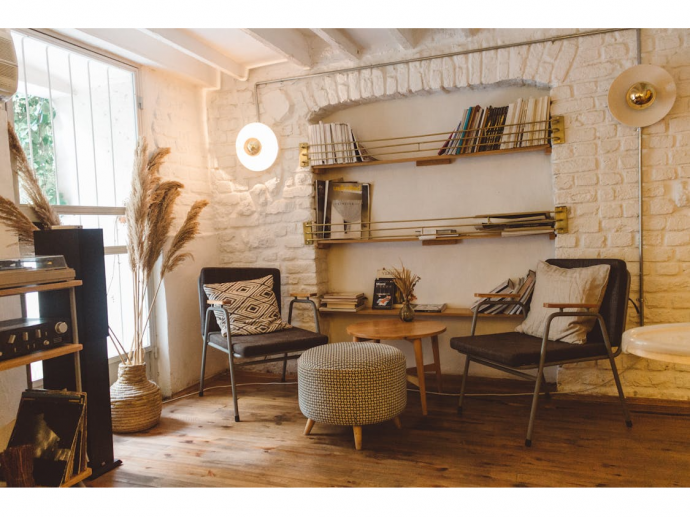
There’s a difference between a well-cared-for home and one that feels like a museum. You don’t need white carpets or marble countertops for your house to look put together. In fact, homes with a bit of personality—a wall of family photos, worn-in leather chairs, a paint-splattered apron hanging in the kitchen—often feel more timeless.
The key is in regular cleaning and smart organizing. Dust doesn’t discriminate based on taste. A home can be cozy, lived-in, and clean all at once. It’s about creating an environment that ages with you, not one that chases every interior trend like a fashion blogger in crisis.
The Aging Home Reflects the Aging Owner
In many ways, how we care for our homes mirrors how we care for ourselves. Eating well, sleeping enough, and exercising won’t stop the clock, but they help us age with strength and dignity. The same is true of homes. Investing in comfort upgrades—like replacing old insulation, updating light fixtures, or renting energy-efficient appliances—makes a house function better as time passes.
Plus, there’s something deeply satisfying about living in a space that evolves with your needs instead of working against them. Good homes are like good shoes—they don’t stay new forever, but they fit better over time when they’re treated right.
Climate Pressure Is Raising the Stakes
With climate events becoming more common—from floods to heat waves—home maintenance isn’t just about looks anymore. It’s survival. That charming 1940s bungalow won’t last another decade if the basement keeps flooding. Modern homeowners are starting to factor in green upgrades not just for resale value but because it’s becoming harder to ignore the weather.
Installing storm windows, choosing drought-resistant landscaping, or adding solar panels are no longer niche decisions. These steps help homes endure and adapt, which in turn gives them a better chance of outliving the next dramatic headline.
It’s About Pride, Not Perfection
Too often, people treat home care as something to be done when guests are coming over or when it’s time to sell. But the best aging homes are the ones cared for even when no one’s watching. A freshly swept porch, tidy entryway, or tuned-up garage door reflects a quiet kind of pride. It says: “I respect this place.”
Perfection is overrated. A squeaky cabinet door or a scuffed hallway wall doesn’t mean your home is falling apart. It means it’s being used. Loved. Lived in. And that’s what makes a house memorable long after the fresh paint fades.
Homes With History Deserve Respect
A home that’s stood for 30, 40, or even 100 years has seen a lot—families growing up, holidays celebrated, maybe even multiple generations passing through its rooms. These places carry stories. But history alone isn’t enough to make a house valuable. It has to be paired with upkeep.
You can honor a home’s past by protecting its future. Keep the original wood floors, sure, but don’t let termites move in. Hang onto those charming vintage tiles, but seal them properly. It’s not about freezing a home in time—it’s about guiding it forward without losing what makes it special.
Letting a home fall into disrepair isn’t just a waste of money. It’s a missed opportunity to be part of something enduring. A well-cared-for house becomes more than shelter—it becomes legacy. And that’s something no flashy remodel or viral DIY can ever replicate.
Comments
