Categories more
- Adventures (62)
- Arts / Collectables (14)
- Automotive (77)
- Aviation (68)
- Bath, Body, & Health (127)
- Children (49)
- Cigars / Spirits (72)
- Cuisine (68)
- Design/Architecture (22)
- Electronics (66)
- Entertainment (40)
- Event Planning (116)
- Fashion (47)
- Finance (10)
- Gifts / Misc (7)
- Home Decor (118)
- Jewelry (41)
- Pets (3)
- Philanthropy (1)
- Real Estate (19)
- Services (60)
- Sports / Golf (38)
- Vacation / Travel (101)
- Watches / Pens (72)
- Wines / Vines (34)
- Yachting / Boating (76)



Window Shades for Street-Facing Rooms: How to Keep Privacy Without Losing Daylight

Published
09/21/2026A street-facing room can feel bright and welcoming until you realize how easily people on the sidewalk can see inside. The goal is not to shut the window off completely, but to control direct sightlines while keeping useful daylight in the room.
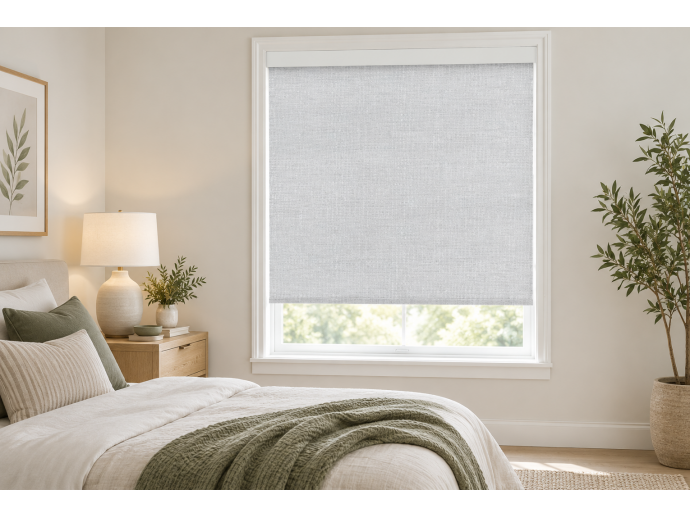
For living rooms, dining spaces, and home offices, fabric roller shades are a practical starting point because they soften incoming light and reduce the exposed feeling of bare glass without making the room feel closed in. The key is choosing the right fabric opacity and remembering that daytime privacy and nighttime privacy are not the same thing.
Start With the Sightline, Not Just the Fabric
Before choosing a shade, stand both inside and outside the room. A ground-floor window beside a sidewalk needs more coverage at eye level than a second-floor window facing the same street. A townhouse living room across from another home may also need protection from angled views.
This matters for renters, families with front-facing living rooms, and anyone who works near a window. A shade that looks private from the sofa may still leave a clear view of a desk or hallway from outside. Custom sizing also matters because wide side gaps can create unwanted sightlines.
Keep Daylight Soft in Everyday Living Spaces
Most street-facing living rooms do not need complete darkness during the day. They need filtered light that keeps the room comfortable while blurring the view inward. Light-filtering fabrics work well for remote workers, parents with young children, and anyone who dislikes turning on lamps in the afternoon.
Motorized shades can make that balance easier. Instead of leaving a shade in one position all day, you can lower it when foot traffic increases, raise it when the street is quiet, or adjust it when direct sun reaches a screen. Small adjustments help the room stay bright without leaving it exposed for hours.
Use Zebra Blinds When Privacy Changes by the Hour
Some rooms need more precise control than a single sheet of fabric provides. In a front-facing home office or open-plan living area, zebra blinds let you shift the relationship between sheer and solid bands as the light and activity outside change.
During a quiet morning, the sheer sections can admit more daylight. When school pickup, dog walkers, or evening foot traffic increases, adjusting the bands adds visual coverage without immediately turning the room dark. This suits people whose privacy needs change throughout the day.
The layered look also works in modern interiors where heavy drapery can feel bulky. For a street-facing dining room, studio, or conference space, adjustable coverage can be more practical than treating privacy as an all-or-nothing setting.
Match the Shade to How the Room Is Used
A living room usually needs comfortable daytime privacy, while a home office may also need glare control around a monitor. A front bedroom is different because nighttime privacy becomes more important once interior lights are on. Using the same fabric for every street-facing window can create unnecessary compromises.
Think about who uses each space and when. A retiree who reads near the window may prioritize soft daylight. A remote worker may want stronger coverage during video calls. Parents may prefer motorized control on a tall window so privacy can be adjusted without moving furniture.
Color and texture matter too. Lighter fabrics keep the room visually airy, while denser weaves create stronger separation from the street. View samples in the actual window, because the same material can look different against strong afternoon sun.
Plan for the View After Sunset
Daytime privacy can be misleading. When outdoor light is stronger, a light-filtering shade may obscure the interior well enough for a living room. After sunset, bright lamps inside can make silhouettes or movement easier to see from the street.
For rooms used heavily at night, test the window from outside with the lights on before deciding how much coverage you need. A denser shade, a more closed zebra setting, or a second layer of drapery may suit bedrooms and front rooms close to sidewalks. If the room mainly needs daytime privacy, a lighter treatment can preserve more daylight without over-solving the problem.
Comments
