Categories more
- Adventures (62)
- Arts / Collectables (14)
- Automotive (77)
- Aviation (65)
- Bath, Body, & Health (123)
- Children (6)
- Cigars / Spirits (71)
- Cuisine (66)
- Design/Architecture (22)
- Electronics (63)
- Entertainment (36)
- Event Planning (115)
- Fashion (45)
- Finance (10)
- Gifts / Misc (6)
- Home Decor (118)
- Jewelry (41)
- Pets (3)
- Philanthropy (1)
- Real Estate (16)
- Services (44)
- Sports / Golf (14)
- Vacation / Travel (85)
- Watches / Pens (33)
- Wines / Vines (34)
- Yachting / Boating (67)



7 Essential Travel Tips for Visiting Gangneung

Published
08/17/2026Gangneung sits on South Korea's east coast, roughly two and a half hours from Seoul by KTX, and it draws visitors for reasons that go well beyond a single attraction. Coffee culture, Gyeongpo Beach, mountain views from the Daegwallyeong Sky Ranch, and some of the country's freshest seafood all coexist in one mid-sized city. Getting the most out of a visit takes a little planning, since Gangneung operates on its own rhythm compared to Seoul or Busan. Here are seven practical tips to keep in mind before heading out.
Time your visit around the coffee streets, not just the beach
Gangneung is known nationally as Korea's coffee city, and Anmok Coffee Street has more than a dozen roasteries lining a single stretch of beachfront road. Mornings here are quieter and give you a better shot at window seats facing the water. By afternoon, especially on weekends, cafes fill up fast with day-trippers from Seoul, so plan accordingly if you want a relaxed sit-down experience rather than a rushed one.
Rent a car if you plan to explore beyond downtown
Public buses connect the major sights, but schedules can be infrequent, sometimes running just once or twice an hour to places like Jeongdongjin or the Ojukheon House. A rental car opens up the Daegwallyeong Sky Ranch, the Seongyojang traditional house, and coastal drives that buses simply don't cover well. International driving permits are accepted, and rental counters near Gangneung Station are straightforward to use, though booking a day or two ahead during peak season is worth doing.
Book accommodations early during festival season
Gangneung hosts the Gangneung Danoje Festival in late spring, a UNESCO-recognized event that draws large crowds and temporarily strains hotel availability. Summer beach season brings another wave of visitors chasing Gyeongpo and Anmok beaches. Looking into Gangneung Accommodations well ahead of these dates makes it far easier to find something close to the beach or downtown at a reasonable rate, rather than settling for a room far outside the city center.
Eat seafood at Jumunjin Market, not just the tourist spots
Jumunjin Fish Market, a short drive north of downtown Gangneung, tends to have fresher catches and lower prices than the more heavily visited Gangneung Jungang Market. Vendors there sell live octopus, sea urchin, and grilled fish by weight, and many stalls will prepare what you buy on the spot for a small fee. Arriving before noon gives you the best selection, since popular items sell out as the day goes on. Bring cash, since smaller vendors don't always accept cards.
Pack for wind, even in summer
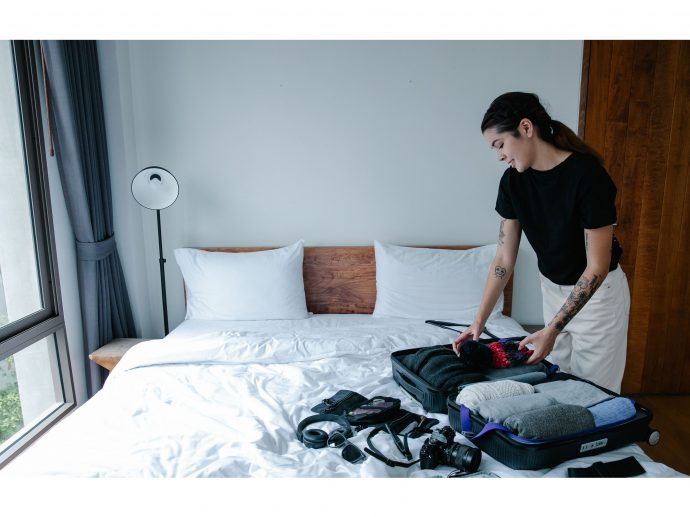
Gangneung's coastal location means wind off the East Sea can be strong and persistent, even on clear, sunny days. A light windbreaker is more useful than a heavy jacket for most of the year, particularly if visiting the beach or the Jeongdongjin sunrise viewpoints. Winter visits call for something warmer, since temperatures near the water drop faster than inland areas of similar latitude.
Learn the bus numbers for key attractions ahead of time
Gangneung's bus system doesn't always have English signage at every stop, and drivers may have limited English ability. Before setting out, look up the specific bus numbers for your planned stops, such as bus 202 or 300 for routes connecting Gangneung Station to Gyeongpo Beach. Naver Maps works more reliably than Google Maps for real-time bus tracking in Korea, so downloading it beforehand saves confusion once you're moving around the city.
Visit Ojukheon House early or late in the day
Ojukheon House, the birthplace of scholar Yi Yi and one of Korea's oldest surviving wooden residences, is a popular stop for tour groups arriving by bus in the late morning. Visiting shortly after opening or a couple of hours before closing means smaller crowds and better lighting for photos in the surrounding bamboo groves. The site is also within walking distance of the Gangneung Municipal Museum, making it easy to combine both into a single, unhurried visit.
Gangneung rewards visitors who slow down enough to notice the details, whether that's the specific bus number that gets you to Gyeongpo Beach without a transfer, or the quieter hour at Ojukheon before the tour buses arrive. None of these tips require much extra effort, but each one removes a small friction point that can otherwise eat into a short trip. Plan around the crowds, pack for the coastal wind, and leave room in the itinerary for a market visit that isn't on every tourist's list.
Comments
