Categories more
- Adventures (62)
- Arts / Collectables (14)
- Automotive (77)
- Aviation (59)
- Bath, Body, & Health (123)
- Children (6)
- Cigars / Spirits (71)
- Cuisine (65)
- Design/Architecture (22)
- Electronics (63)
- Entertainment (23)
- Event Planning (104)
- Fashion (45)
- Finance (10)
- Gifts / Misc (6)
- Home Decor (90)
- Jewelry (41)
- Pets (3)
- Philanthropy (1)
- Real Estate (16)
- Services (23)
- Sports / Golf (14)
- Vacation / Travel (69)
- Watches / Pens (14)
- Wines / Vines (34)
- Yachting / Boating (67)



Aftercare Dos and Don'ts for Injectables

Published
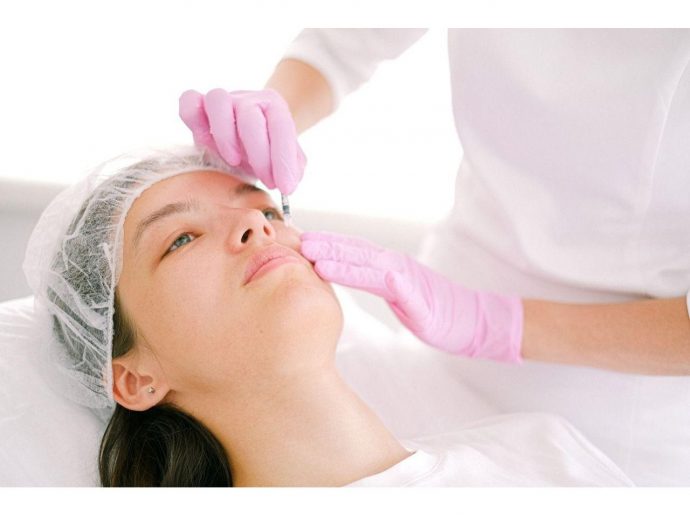
10/06/2026You have left the clinic, caught your reflection in the car mirror, and now comes the part that can make your treatment feel easier: aftercare. Whether you had Botox or dermal filler, the first day is about keeping things calm. Gentle habits, less pressure, and a little patience give treated areas time to settle. Your injector’s instructions always come first because aftercare can vary by product, treatment area, and your personal situation.
Give Your Skin a Quiet First Day
Resist the urge to keep checking, touching, or pressing the treated area. Wash gently if needed, using light pressure rather than scrubbing.
After Botox or another neuromodulator, many providers advise staying upright for several hours and avoiding pressure on treated areas. Your injector can tell you exactly how long to wait based on your treatment.
Instructions Lead
Good aftercare starts before you leave the appointment. Ask what you can do that evening, when you can exercise, what skincare products to pause, and which symptoms deserve a call. If you visited Lush RX, use the instructions provided for your specific treatment as your main guide.
Botox and filler are not interchangeable treatments, so their aftercare can differ. Lip filler may need different care from cheek filler, while forehead Botox may have its own instructions.
Keep Heat, Sweat, and Pressure Low
Your first day is not the time for a punishing workout, hot yoga class, sauna session, or hours in intense heat. Strenuous activity can increase blood flow and make swelling or bruising more noticeable. Many filler aftercare instructions recommend taking a break from vigorous exercise for roughly 24 to 48 hours.
Facials, massages, and treatments that press on your face can wait too. Do not aggressively rub or massage filler unless your injector specifically tells you to. Freshly treated tissue needs a little breathing room while swelling settles.
Skip a Few Usual Indulgences
Alcohol can make bruising or swelling more noticeable, so many providers suggest avoiding it around treatment. Smoking and nicotine may also be discouraged. Keep skincare simple, and pause products that sting, exfoliate, or heavily stimulate the skin until your provider says they are fine to use.
Do not stop prescribed medication on your own. Some medicines and supplements can affect bruising, so discuss them with your injector before treatment if you have questions.
Cool, Clean, and Comfortable Wins
If swelling or tenderness shows up, a cool compress can feel soothing. Use it gently for short periods rather than pressing an ice pack firmly against your skin. Keep treated areas clean, drink enough water, and give your body time to settle.
Your first night may also call for a little strategy. If filler was placed in an area that feels tender or swollen, try not to put heavy pressure on it while sleeping. Your provider may have specific positioning advice, so follow that over generic tips.
Don't Panic at Every Little Change
Right after an injectable appointment, your face is not necessarily showing the finished picture. Filler can create temporary fullness, swelling, bruising, redness, tenderness, or small firm areas. Botox can cause temporary redness, swelling, bruising, or a headache in some people.
That does not mean the treatment has gone wrong. Give your face time. Filler needs time for early swelling to calm, while Botox takes time to develop its effect. Staring into the mirror every ten minutes will not speed up either process.
Know When a Call Is Necessary
Mild swelling or bruising is one thing. Symptoms that become severe, unusual, or progressively worse deserve attention. Contact your injector if something feels wrong or if you are unsure whether a reaction is within the expected range.
After filler, severe or increasing pain, major skin color changes, unusual swelling, signs of infection, or vision changes need prompt medical attention. Vision symptoms after filler can be an emergency, so do not wait for them to disappear on their own.
For Botox, seek medical help for serious or unexpected symptoms, particularly problems that affect breathing, swallowing, speaking, or muscle control.
Keep Your Routine Simple
Most people can return to ordinary activities quickly, depending on the treatment and their provider’s instructions. Gentle cleansing and normal facial movement are generally easier on the skin than constant touching or checking.
With filler, let your comfort level guide your schedule while following any restrictions from your injector. Once your skin can comfortably tolerate it, sunscreen can help protect treated areas from sun exposure. A simple routine is often all your face needs during those first few days.
Bottom Line
Injectable aftercare is not about turning your day into a medical project. It is about giving your skin a calm window to recover. Skip pressure, heat, intense workouts, and irritating products early on. Keep your provider’s instructions handy, watch for changes, and give your results time to settle.
Most importantly, personalized advice beats any generic checklist. Your injector knows what product was used, where it was placed, and what your treatment involved. Follow that guidance first, be gentle with your skin, and consider your Mental Health as well by giving yourself time to adjust to the changes. Let the results develop at their own pace, without rushing the process or second-guessing every early change in the mirror.
Comments
