Categories more
- Adventures (200)
- Arts / Collectibles (316)
- Automotive (219)
- Aviation (283)
- Bath, Body & Health (514)
- Children (116)
- Cigars / Spirits (271)
- Cuisine (730)
- Design / Architecture (1096)
- Electronics (222)
- Entertainment (160)
- Event Planning (299)
- Fashion (550)
- Finance (197)
- Gifts / Misc (141)
- Home Decor (556)
- Jewelry (395)
- Pets (91)
- Philanthropy (124)
- Real Estate (386)
- Services (227)
- Sports / Golf (219)
- Vacation / Travel (1059)
- Watches / Pens (223)
- Wines / Vines (868)
- Yachting / Boating (2079)


Beyond the Destination: Experiencing Machu Picchu in Style

Published
09/29/2026There are places where simply arriving is enough, but Machu Picchu is not one of them. A journey into the Peruvian Andes is defined as much by the transition as the destination itself. Cusco's historic streets give way to the Sacred Valley, mountains rise dramatically around the railway, and the landscape becomes increasingly remote as travelers approach Machu Picchu Pueblo.
By the time the ancient citadel comes into view, the experience has already been unfolding for hours, or even days. For travelers who value comfort, thoughtful service, and memorable experiences, that journey deserves as much consideration as the destination. Rather than treating the train as a practical connection, it can become one of the defining chapters of a luxury escape to Peru.
Luxury in the Andes Is About the Experience
Five-star hotels and fine dining still have their place in modern luxury travel, but exclusivity is now often measured by access, privacy, personalization, and the ability to experience a destination without feeling rushed.
Peru lends itself naturally to this style of travel. A carefully planned itinerary might begin with several nights in Cusco, allowing time to explore its colonial architecture, Inca heritage, restaurants, and galleries. From there, travelers can move into the Sacred Valley, where boutique hotels and dramatic Andean landscapes create a slower rhythm before the final journey toward Machu Picchu.
The train then becomes the bridge between two very different experiences—the broad valleys around Cusco and Ollantaytambo and the lush mountain environment surrounding Machu Picchu. Choosing how to make that journey can shape the entire day.
Turning the Train Ride Into Part of the Adventure
The railway from Ollantaytambo to Machu Picchu Pueblo follows a remarkable path through the Andes. Mountains frame the route, the landscape changes as the train descends, and the journey offers travelers an opportunity to simply watch Peru unfold outside the window.
For visitors planning their trip, Inca Rail Machu Picchu services provide several ways to experience this route, ranging from comfortable scenic travel to sophisticated and fully private journeys.
Instead of offering a single type of onboard experience, Inca Rail operates five service categories: The Voyager, The 360°, The Prime, The First Class, and The Private. This variety allows travelers to select an experience according to their priorities, whether those are panoramic scenery, dining, elevated service, or privacy.
For luxury travelers in particular, having that choice makes it possible to design the journey around the occasion rather than simply choosing transportation based on departure time.
See More of the Sacred Valley
Some travelers want the landscape to remain at the center of the experience. The 360° is designed around this idea, with large panoramic windows and an open-air observation car that creates a closer connection to the surroundings. As the train travels through the Andes, passengers can step into the observation area and take in mountain, valley, and river views from a different perspective.
It is the kind of experience that appeals to travelers who would rather collect memories than simply move between attractions. The scenery also provides a reminder that Machu Picchu does not exist in isolation. It belongs to a much broader Andean landscape, and experiencing that environment along the way adds context to the destination waiting at the end of the railway.
When the Occasion Calls for Something More Exclusive
For milestone trips, honeymoons, family celebrations, or simply a desire for greater exclusivity, the journey can take on a more elevated character. Inca Rail's premium options include The Prime and The First Class, while The Private takes personalization considerably further.
The Private is reserved exclusively for the traveling party and is designed around privacy and customization. Its experience can include personalized service, gourmet cuisine inspired by Peruvian flavors, a private lounge and bar car, live Andean music, and an open-air balcony.
The appeal is not simply additional amenities. It is having a space where the journey can unfold at a more personal pace. For couples, families, or groups celebrating an important occasion, privacy can transform several hours of transportation into shared time that becomes part of the memory of Peru itself.
Start in Cusco or Ollantaytambo?
Travelers staying in the Sacred Valley can board the train directly from Ollantaytambo. This works particularly well for itineraries that dedicate a few days to exploring the valley before continuing toward Machu Picchu.
Those beginning in Cusco have another option. Inca Rail's Bimodal Service combines a road journey from Cusco to Ollantaytambo with the onward train connection to Machu Picchu Pueblo.
A slower luxury itinerary might include Cusco first, followed by several nights in the Sacred Valley and then the train from Ollantaytambo. Travelers with less time may prefer to coordinate the journey directly from Cusco. Either way, thinking about the route as part of the itinerary rather than merely a transfer makes the experience feel considerably more cohesive.
Small Planning Decisions Make a Difference
Train schedules, accommodation, entry arrangements, and the route through the citadel should ideally be considered together rather than booked independently at the last minute. This is especially important when traveling during popular periods or when a particular train experience is central to the trip.
Packing thoughtfully also helps. Train travel to Machu Picchu comes with luggage limitations, so many visitors leave larger suitcases at their accommodation in Cusco or the Sacred Valley and continue with a smaller overnight bag.
It is also worth considering the timing of the train itself. A daytime journey allows the surrounding scenery to become part of the experience, particularly for travelers choosing a service designed around panoramic views. These details may seem minor when planning an international trip, but they often determine whether the final journey feels effortless or unnecessarily complicated.
Allow Machu Picchu to Be More Than a Day Trip
It can be tempting to approach Machu Picchu as something to check off a travel list. Arrive, explore, photograph, and leave. A more rewarding luxury itinerary creates space around the experience.
Spending time in Cusco provides historical context. Staying in the Sacred Valley introduces another side of the Andes. Traveling by train creates a gradual transition toward Machu Picchu. An overnight stay near the site can then provide additional flexibility instead of forcing every element into one tightly scheduled day. In this sense, luxury means having enough room in an itinerary to appreciate where you are rather than constantly thinking about where you need to be next.
A Journey Worth Remembering
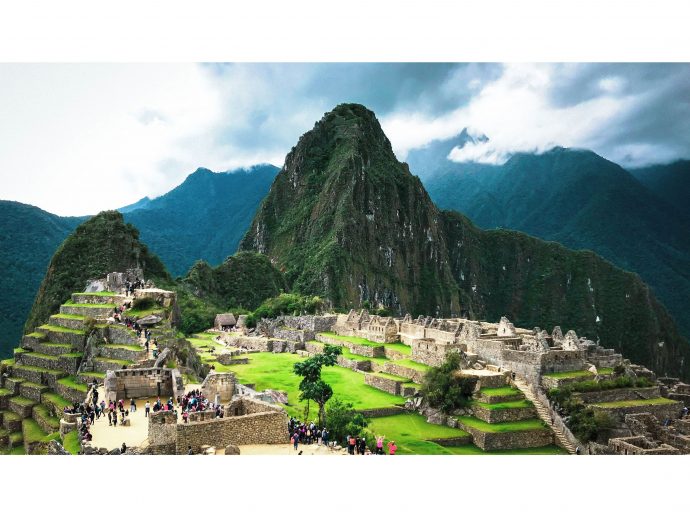
Machu Picchu will inevitably be the centerpiece of any journey to this part of Peru. Few travelers forget the first moment they see its terraces and stone structures set against the surrounding mountains.
However, the most memorable trips are built from a collection of experiences: waking up in Cusco, crossing the Sacred Valley, watching the Andes through a panoramic train window, sharing a meal along the way, and feeling the landscape change as Machu Picchu draws closer.
Choosing a more thoughtful way to travel allows the anticipation to become part of the adventure. When the destination is extraordinary, getting there should never feel ordinary.
Comments
