Categories more
- Adventures (209)
- Arts / Collectibles (375)
- Automotive (808)
- Aviation (378)
- Bath, Body & Health (1055)
- Children (118)
- Cigars / Spirits (278)
- Cuisine (723)
- Design / Architecture (1118)
- Electronics (230)
- Entertainment (162)
- Event Planning (295)
- Fashion (552)
- Finance (199)
- Gifts / Misc (141)
- Home Decor (575)
- Jewelry (409)
- Pets (92)
- Philanthropy (124)
- Real Estate (393)
- Services (223)
- Sports / Golf (213)
- Vacation / Travel (1054)
- Watches / Pens (233)
- Wines / Vines (862)
- Yachting / Boating (9083)



Building Material Delivery in Sydney Made Easy: A Partnership With Industrial Movers

Published
10/28/2026Managing construction timelines in New South Wales requires strict coordination, especially when coordinating heavy haulage across crowded urban corridors. Efficient building material delivery in Sydney forms the backbone of any successful commercial or residential development project. However, narrow streets, strict municipal transport regulations, and tight site access points often create severe supply chain bottlenecks. Partnering with professional Sydney industrial movers transforms these complex transport challenges into predictable, streamlined logistics operations. By combining specialised heavy machinery transport with precise delivery schedules, site managers can eliminate unnecessary project downtime and safeguard valuable construction inventory. Understanding how these specialised transport partnerships operate allows builders to maintain momentum while keeping operational overheads under tight control.
The Complexities of Urban Freight in New South Wales
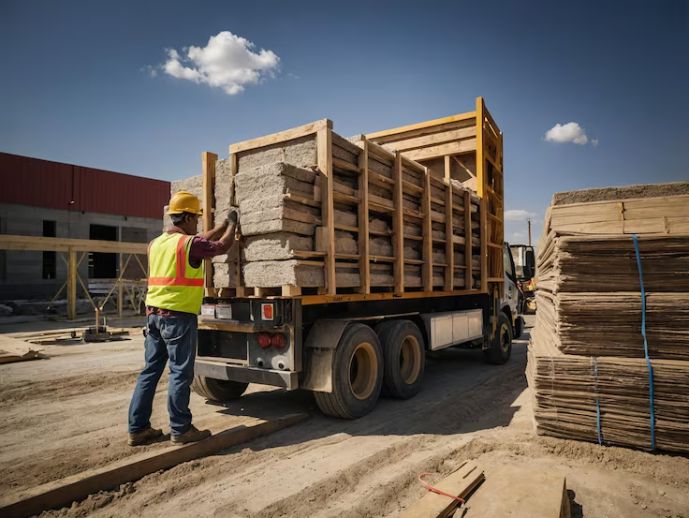
Transporting heavy items across the Greater Sydney region presents a unique set of geographic and regulatory hurdles. From the congested arterial roads of Parramatta to the narrow, historic lanes of the inner west, moving raw timber, structural steel, and precast concrete panels requires far more than standard flatbed trucks. Timings must align precisely with local council permits, clearway restrictions, and site crane availability. A single delay on the M4 Motorway or Western Distributor can cascade into thousands of dollars in lost site productivity and idle labour costs.
Furthermore, urban job sites rarely offer generous storage space. Most commercial build sites operate on a strict just-in-time inventory schedule, meaning materials must arrive exactly when crews are ready to install them. Offloading structural components on busy streets without proper traffic management plans risks heavy penalties from municipal authorities and Transport for NSW. Consequently, securing a reliable partner for building material delivery in Sydney is critical. Dedicated logistics teams map out transit routes, calculate axle weight distributions, and obtain necessary oversized transport permits well in advance. This rigorous planning ensures heavy cargo moves from regional suppliers or port terminals directly to the installation zone without disrupting surrounding urban traffic or breaching local council quiet hours.
Leveraging Specialised Fleet and Rigging Equipment
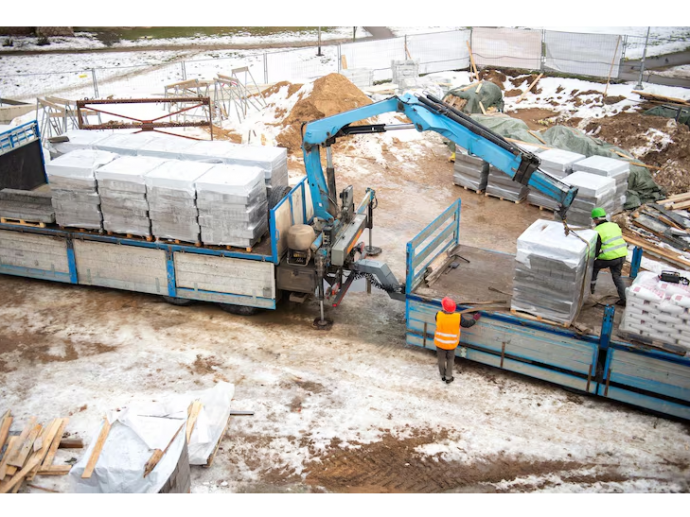
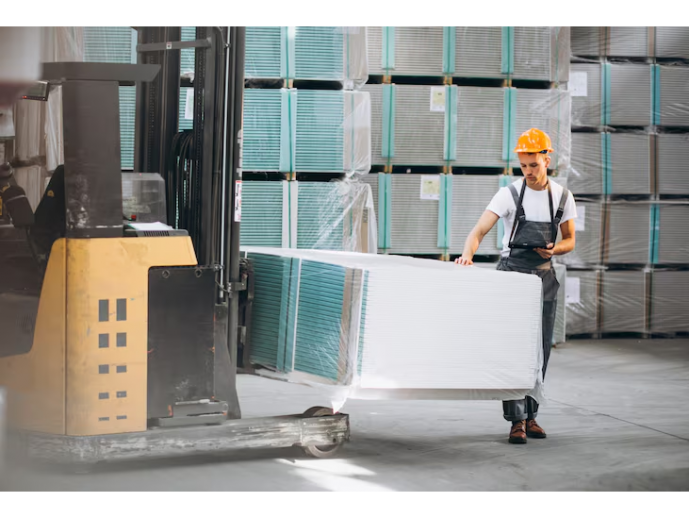
Standard courier services or general haulage operators simply lack the mechanical assets required to handle heavy structural components. Professional Sydney industrial movers bring specialised fleets equipped with articulated cranes, heavy-duty tilt trays, multi-axle low loaders, and high-capacity telehandlers. This advanced fleet capability allows teams to pick up massive steel beams, prefabricated concrete walls, or heavy glass panels and position them directly onto upper building floors or tight site footprints.
Using specialised handling gear reduces reliance on secondary on-site mobile cranes, saving developers both site space and rental expenditure. Furthermore, experienced rigging personnel understand how to secure irregular loads using dynamic load-restraint systems engineered for Australian road conditions.
Tailored Machinery for Complex Sites
Different construction phases demand distinct machinery configurations. For instance, compact mobile cranes and rear-mounted Hiab trucks handle tight residential developments where street parking is restricted. Meanwhile, heavy transport combinations move massive bulk loads to sprawling industrial precincts in Western Sydney. Industrial moving crews evaluate ground bearing capacity and overhead clearance obstacles, such as low powerlines or overhanging trees, long before the vehicle departs the depot. This proactive approach prevents mechanical breakdowns and avoids costly offloading delays at the construction gate.
Prioritising Safety and Compliance in Heavy Transport
Safety compliance remains the paramount concern across the Australian construction sector. Work Health and Safety (WHS) legislation, alongside national Chain of Responsibility (CoR) laws, places strict legal liability on builders, head contractors, and transport operators to ensure safe loading and transit practices. Unsecured freight or improper rigging techniques can lead to catastrophic workplace injuries and project shutdowns.
Partnering with licensed industrial transport specialists ensures full adherence to safe work method statements (SWMS) and national heavy vehicle regulations. Professional transport operators conduct detailed risk assessments prior to initiating any building material delivery in Sydney, evaluating wind speeds, ground stability, and pedestrian traffic flow around offloading zones.
Chain of Responsibility and Risk Mitigation
Under CoR laws, everyone involved in the supply chain shares responsibility for heavy vehicle safety. Industrial transport companies help head contractors fulfill their statutory duties by maintaining audited maintenance logs, enforcing driver rest schedules, and employing certified dogmen and riggers. Comprehensive insurance coverage further protects high-value structural components during loading, transit, and final positioning. By working with fully accredited professionals, construction companies protect their workforce, eliminate legal liability risks, and ensure that valuable building supplies arrive in pristine condition, ready for immediate installation.
Streamlining Construction Workflows and Lowering Overheads
In modern construction, time directly equates to capital. Unexpected supply chain delays force trade contractors to sit idle while standing costs mount up rapidly. Delegating complex transport tasks to experienced Sydney industrial movers creates a synchronized operational flow where material deliveries directly match daily construction schedules.
Instead of pulling skilled tradespeople away from their core work to manually manage incoming freight, dedicated transport specialists handle the entire offloading process. This division of labour maximises on-site productivity and keeps project milestones on track.
Long-Term Commercial Advantages
Establishing a strategic partnership with an industrial haulage provider delivers significant long-term financial benefits:
- Reduced Overhead Costs: Eliminates the need for construction firms to purchase, maintain, and insure their own specialised transport vehicles.
- Optimised Site Logistics: Minimises clutter on restricted building plots by scheduling deliveries in phased, manageable batches.
- Enhanced Fleet Scalability: Allows contractors to quickly scale transport capacity up or down based on current project demands.
By integrating professional logistics planning into early-stage project management, building contractors streamline trade handovers, reduce material damage claims, and consistently finish projects within budget constraints.
Final Thoughts
Handling the logistical challenges of modern construction requires accurate timing, specialised machinery, and strict adherence to safety standards. Partnering with seasoned heavy transport specialists transforms material handling from a site vulnerability into a major operational strength. By aligning scheduled freight arrivals with site readiness, head contractors eliminate costly downtime and protect high-value structural assets. Modern building projects demand efficiency at every stage of development, from raw material procurement to final positioning. Embracing professional haulage solutions ensures that construction projects across New South Wales remain safe, compliant, and consistently profitable.