Categories more
- Adventures (62)
- Arts / Collectables (14)
- Automotive (77)
- Aviation (65)
- Bath, Body, & Health (123)
- Children (6)
- Cigars / Spirits (71)
- Cuisine (66)
- Design/Architecture (22)
- Electronics (63)
- Entertainment (36)
- Event Planning (115)
- Fashion (45)
- Finance (10)
- Gifts / Misc (6)
- Home Decor (118)
- Jewelry (41)
- Pets (3)
- Philanthropy (1)
- Real Estate (16)
- Services (44)
- Sports / Golf (14)
- Vacation / Travel (85)
- Watches / Pens (33)
- Wines / Vines (34)
- Yachting / Boating (67)


Chasing the Aurora in Style: Planning a Northern Lights Trip That Actually Delivers

Published
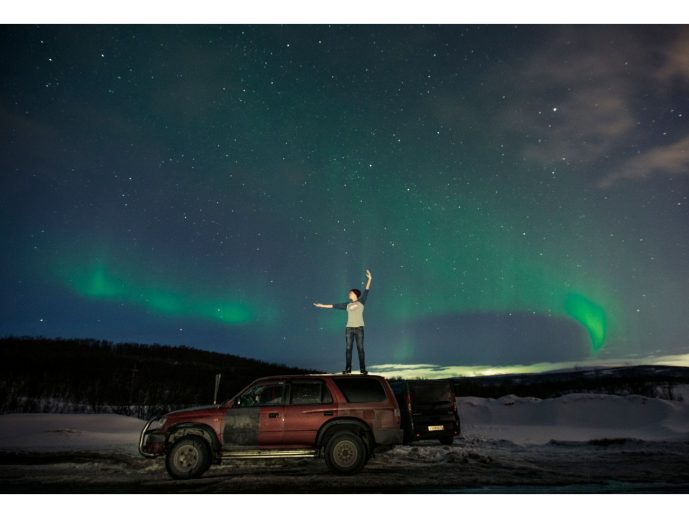
08/25/2026The picture everyone wants is the same: green fire over a snowfield, a glass of something good in hand, no one else in the frame. What the picture never shows is the planning that made it possible, because the northern lights are the rare luxury that cannot simply be bought. The aurora keeps its own calendar, answers to solar wind rather than concierges, and has humbled travelers who assumed a first-class ticket north was the whole assignment. It isn't. But the odds can be tilted dramatically in your favor, and tilting them well is what separates the trip of a lifetime from an expensive week of overcast evenings.
The Aurora Is a Probability, Not an Attraction
The mental shift that rescues aurora trips is treating the lights as a probability to be engineered rather than a sight to be visited. You cannot book the sky. You can, however, stack every variable that matters: the right weeks, the right darkness, the right number of nights, and a base that lets you act the moment the sky opens. Travelers who plan this way tend to come home with the photograph. Travelers who treat the aurora like a museum with erratic hours tend to come home with a story about clouds.
Timing the Sky: Season, Moon, and the Hours That Matter
In Alaska, the viewing season runs roughly from late August to mid-April; outside that window, the high-latitude summer sky never gets dark enough. Within it, the weeks around the equinoxes punch above their weight, since aurora viewing tips from NOAA note both that the best seasons are around the spring and fall equinoxes and that a full moon visibly dims the show, which is why seasoned planners aim for the dark half of the lunar month. Then commit real nights to the project. The University of Alaska Fairbanks Geophysical Institute, whose aurora forecast is the reference for the state, advises that three clear nights make a sighting highly likely, with the best activity in the hours centered on midnight. One night is a gamble. Three or four is a plan.
Location Beats Latitude: Where to Base Yourself
Here is the counterintuitive part: a dark sky matters more than a northern address. "Get away from city lights" is standing advice in NOAA's viewing tips for good reason: city glow can erase a display the weather would have allowed, and standing beneath a hotel's parking-lot lights at the perfect latitude is still standing in the wrong place. The refined version of aurora hunting means basing yourself in true darkness: wilderness within striking distance of a gateway city, where the sky starts at the treeline and the only competing light is your own window. An hour or two of driving distance from an airport hub buys an entirely different night sky, and the difference shows up directly in what you see.
The Art of Waiting Well
Because the aurora arrives on its own schedule, an aurora trip is mostly a waiting game, and the quality of the wait is decided by the lodging. This is where the indulgent choice is also the strategic one. A room with windows aimed at the night sky means the vigil happens from bed rather than a frozen parking lot. A lodge that keeps watch overnight, or tracks NOAA's 30-minute aurora forecast while you sleep, means being woken for the display instead of hearing about it at breakfast. An all-inclusive Alaska wilderness lodge built around this rhythm turns the waiting itself into the vacation: dinner is taken care of, the sky is dark in every direction, and nobody has to drive anywhere at two in the morning. The travelers who see the most aurora are rarely the ones who tried hardest on any single night. They are the ones who waited in comfort, night after night, in exactly the right place.
A Trip That Wins Even When the Sky Stays Quiet
The final mark of a well-planned northern lights trip is that the lights are the crown, never the foundation. Even in the right weeks, at the right latitude, under dark skies, the aurora owes you nothing. So build days that would justify the journey on their own: glaciers underfoot, dog teams at a run, backcountry that most people only see on a screen. If the sky performs, it crowns an already extraordinary week. If it doesn't, you leave with an Alaska trip worth retelling and a reason to return. That is the quiet secret of travelers who always seem lucky with the aurora. They arranged things so they could not lose.
Comments
