Categories more
- Adventures (62)
- Arts / Collectables (14)
- Automotive (77)
- Aviation (68)
- Bath, Body, & Health (127)
- Children (49)
- Cigars / Spirits (72)
- Cuisine (68)
- Design/Architecture (22)
- Electronics (66)
- Entertainment (40)
- Event Planning (116)
- Fashion (47)
- Finance (10)
- Gifts / Misc (7)
- Home Decor (118)
- Jewelry (41)
- Pets (3)
- Philanthropy (1)
- Real Estate (19)
- Services (60)
- Sports / Golf (38)
- Vacation / Travel (101)
- Watches / Pens (72)
- Wines / Vines (34)
- Yachting / Boating (76)


Choosing Equipment That Delivers Performance and Reliability

Published
06/15/2026From professional tradespeople and contractors to those who love to work on their own projects, the tools you use can make all the difference in the world to your work. Not only does reliable equipment help to boost productivity, but it can also minimise downtime, safety hazards, and quality variability.
There are so many different tools on the market that it can sometimes be overwhelming to choose the right ones. Knowing what these elements can impact performance and reliability, though, can help buyers make informed purchasing decisions and create a toolkit that will help them thrive in the future.
Why Tool Reliability Matters
Unexpected equipment failure can cause a project to slip out of hand. Tools that are not reliable can cause frustration, inconsistency, and interruptions. Equipment failures have a negative impact on professionals' customer satisfaction and profitability. They can make simple things difficult for homeowners.
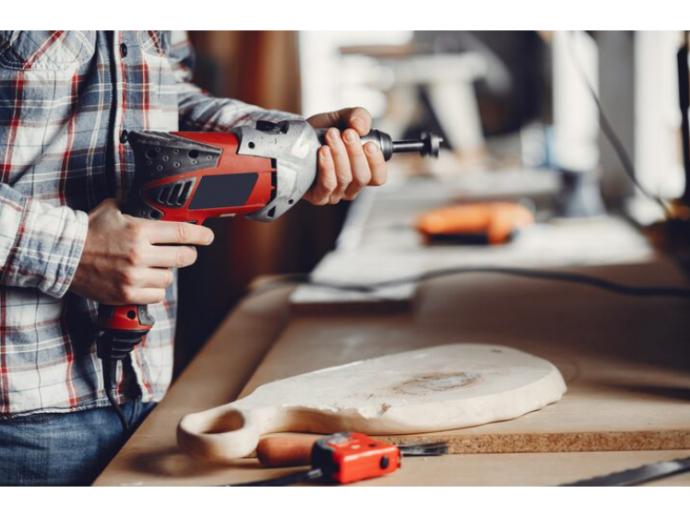
Milwaukee drills from Sydney Tools are known for their durability and efficiency, making them a popular choice for professionals looking for reliable equipment to tackle tough jobs. One of the most commonly used tools in construction, maintenance, renovation and installation is the drill.
Performance Beyond Power
Many buyers think that the more powerful, the better. Power is not the sole criterion to judge performance; accuracy, durability, ergonomics, battery life, and versatility are all factors that play a part. The ideal tools are designed to have a mix of these features to perform well in different uses.
When assessing equipment, consider motor performance, battery efficiency, build quality, ease of handling, and application versatility. A well-rounded tool is worth more than a tool that's limited to one specification.
Key Features to Look for When Buying Equipment
A choice of the right tool is not just a comparison of prices. Once buyers know what makes a long-lasting car, they will save money on their purchases. Good quality equipment should have a consistent performance as it is used regularly, and should be comfortable and easy to use.
Some key elements to consider are:
- Durable construction materials
- A handle that provides comfort and ergonomics
- Battery life and charging speed
- Multiple speed settings
- Warranty and support options
These factors can make a big difference in a user's satisfaction, more than the cost of the purchase.
Matching Equipment to Your Workload
Not all equipment is created equal. Occasional homeowners who may only need to fix a few things every day might not require the same features as a contractor who is using tools all day long. Make sure you have the equipment you need and don't over-buy it.
The objective is to choose equipment that will be available and useful in the years to come.
Maintaining Reliability over Time
No matter how good the tools are, if you do not take care of them, they will not perform at their best. Scheduling maintenance services will help prolong the life of equipment and minimise the chances of unexpected breakdowns.
Best maintenance practices include:
- Cleaning tools after use
- Storing equipment properly
- Inspecting components regularly
- Changing worn accessories in a timely manner
Comments
