Categories more
- Adventures (179)
- Arts / Collectables (238)
- Automotive (190)
- Aviation (259)
- Bath, Body, & Health (447)
- Children (88)
- Cigars / Spirits (225)
- Cuisine (602)
- Design/Architecture (674)
- Electronics (200)
- Entertainment (139)
- Event Planning (271)
- Fashion (450)
- Finance (148)
- Gifts / Misc (115)
- Home Decor (453)
- Jewelry (283)
- Pets (72)
- Philanthropy (92)
- Real Estate (313)
- Services (199)
- Sports / Golf (184)
- Vacation / Travel (920)
- Watches / Pens (187)
- Wines / Vines (717)
- Yachting / Boating (240)



Choosing the Perfect Venue for Your Next Big Event


Published
04/20/2026Diverse Categories of Event Rental Spaces
The world of event rental venues is incredibly diverse, offering a spectrum of settings designed to accommodate nearly any gathering imaginable. From intimate celebrations to grand corporate affairs, understanding the various types of spaces available is the first step in finding your perfect match. We see venues specializing in everything from elegant weddings and bustling corporate meetings to vibrant social galas, each offering a unique atmosphere and set of capabilities.
Beyond the traditional banquet halls and conference centers, a new wave of unique venues has emerged, catering to more specialized tastes and event formats. These include creative studios perfect for workshops or photoshohoots, luxurious spaces with private pools for summer parties, and industrial lofts that offer a chic, urban backdrop. For those planning events in dynamic cities, exploring comprehensive listings, such as those for various types of event space rentals in Austin, TX on platforms like EventUp, can reveal a surprising array of options.
Suitability for Weddings and Corporate Meetings
Event venues are often designed with specific event types in mind, ensuring they can provide the optimal environment and necessary amenities. For weddings, venues typically offer spaces suitable for ceremonies, receptions, rehearsal dinners, and even bridal showers. They often boast picturesque backdrops, dedicated bridal suites, and flexible layouts to accommodate dining, dancing, and mingling. The elegance and romantic ambiance of a well-chosen wedding venue can truly make a couple's special day unforgettable.
Corporate events, on the other hand, demand functionality, professionalism, and state-of-the-art technology. Venues suited for business often feature multiple meeting rooms, large conference halls, and breakout spaces for board meetings, training sessions, product launches, and networking events. They prioritize reliable AV equipment, strong Wi-Fi, and a layout conducive to productivity and collaboration. Understanding a venue's core strengths, like those highlighted on an "About Us" page detailing their mission and offerings, can help ensure alignment with your event's purpose.
Unique Venue Options: Rooftops, Studios, and Pools
The trend towards more distinctive and personalized events has driven the popularity of unconventional venue types. Rooftop venues, for instance, offer breathtaking skyline views, creating an elevated and sophisticated ambiance for cocktail parties, product launches, or intimate dinners. Their open-air setting provides a unique experience, often complemented by stylish decor and impressive cityscapes.
Creative studios, ranging from art galleries to photography spaces, offer a blank canvas for those looking to infuse their event with a unique artistic flair. These venues are ideal for workshops, pop-up events, fashion shows, or even private parties seeking a modern, minimalist, or industrial-chic aesthetic.
For summer gatherings or casual celebrations, venues equipped with pools or expansive outdoor spaces provide a refreshing and relaxed environment. These are perfect for birthday parties, family reunions, or corporate picnics, offering opportunities for recreation and informal networking.
When considering these unique options, it's crucial to understand the rental structure. Many venues offer flexibility, allowing you to choose between hourly rentals for shorter, focused events or full-day bookings for more elaborate affairs. This decision often impacts budget and logistical planning.
Rental Type Best Suited For Benefits Considerations Hourly Rentals Workshops, photo shoots, small meetings, short parties, pop-ups Cost-effective for shorter durations, ideal for specific time slots, greater flexibility Limited setup/cleanup time, may not be suitable for complex events, less exclusive access Full-Day Bookings Weddings, conferences, large parties, multi-session events Ample setup/cleanup time, exclusive use of space, reduced time pressure Higher cost, may include minimum spend requirements, less flexibility for short events Exploring a venue's visual portfolio, such as a comprehensive gallery of past events and spaces, can provide inspiration and help you envision how different settings could be transformed for your occasion.
Essential Factors for Selecting Professional Event Venues
Once you have a general idea of the type of venue you need, the next step involves a meticulous evaluation of several key factors. These considerations are critical for ensuring the venue not only looks appealing but also functions seamlessly for your event. We always advise our clients to prioritize location, capacity, amenities, and pricing, as these elements form the backbone of a successful venue choice. A premier space, such as the Mockingbird Room event venue, understands the importance of these factors in delivering exceptional experiences. When searching for options across broader regions, exploring comprehensive listings for party venues in Texas can offer a wide range of choices to compare.
Location, Capacity, and Accessibility
The location of your event venue is paramount. It should be convenient for your guests, whether they are traveling locally or from out of town. Consider proximity to major highways, public transportation, and accommodation options. A centrally located venue can significantly enhance guest attendance and overall experience.
Capacity refers to the maximum number of guests a venue can comfortably and safely accommodate. This isn't just about fitting everyone in; it's about ensuring there's enough space for movement, seating, dining, and any planned activities. Always confirm both seated and standing capacities with the venue, and ensure it aligns with your estimated guest count. Overcrowding can detract from the event experience, while too much empty space can make an event feel sparse.
Accessibility encompasses several aspects, including parking availability, ease of access for guests with disabilities (ADA compliance), and logistical access for vendors (e.g., loading docks, service elevators). Adequate parking, whether on-site or nearby, is a significant convenience for guests. If you're considering a venue, we recommend scheduling a tour to physically assess these factors, ensuring the space meets all practical requirements. Reviewing floor plans during your visit can also help visualize guest flow and event setup.
Understanding Rental Costs and Pricing Trends
One of the most significant factors in venue selection is, undoubtedly, the cost. Understanding the average cost to rent a party or event venue, and how it varies, is crucial for effective budget management. According to recent booking activity data through March 2026, party venues average $156 per hour to rent. This is a useful benchmark, but it's important to recognize the wide range of pricing based on venue size, location, and features.
For instance, smaller party venues cost closer to $143 per hour, making them ideal for more intimate gatherings or events with tighter budgets. In contrast, larger venues run about $225 per hour, reflecting the increased space, amenities, and often, more sophisticated services they provide. These figures highlight the importance of clearly defining your event's scope and guest count before diving into venue searches. Always request a detailed quote that outlines all inclusions and potential additional fees. A transparent pricing structure, often found on a dedicated pricing page, is a strong indicator of a reputable venue.
Key Amenities and On-Site Services
Beyond the aesthetics and basic functionality, the amenities and on-site services offered by an event rental venue can significantly impact the success and smoothness of your event. These often overlooked details can transform a good venue into a great one, providing convenience and support that elevate the entire experience. From essential technological provisions to comprehensive guest facilities, a venue's offerings can streamline planning and ensure a memorable occasion. High-end venues, such as a private event space in NYC like Renaissance Event Hall, often pride themselves on a full suite of services designed to cater to every need.
Catering Facilities and AV Equipment
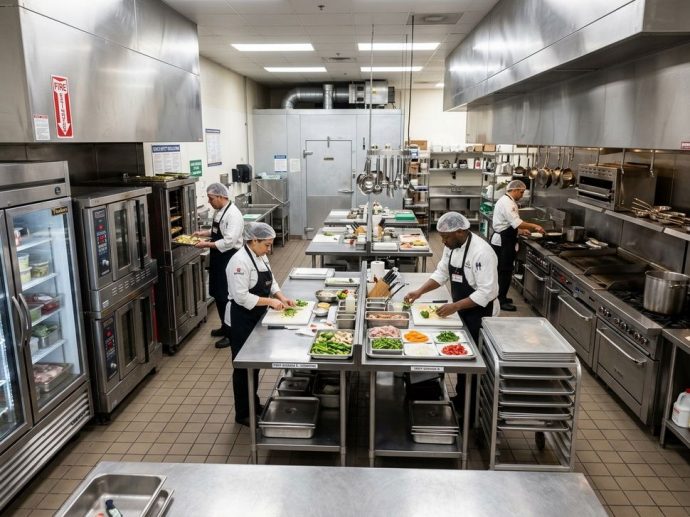
For many events, especially those involving food and beverage, the availability and quality of catering facilities are paramount. A venue with a fully equipped commercial kitchen can be a game-changer for caterers, allowing them to prepare and serve food efficiently and to the highest standards. Some venues offer in-house catering, while others allow external caterers, which can provide more flexibility in menu choices and budget. Always clarify the venue's policy on catering and what kitchen access is provided.
Equally important is the audio-visual (AV) equipment. Modern events often rely on sophisticated sound systems, high-definition projectors, large screens, and dynamic lighting to engage audiences. Ensure the venue provides reliable AV infrastructure, and ideally, on-site technical support. This includes clear sound for speeches, appropriate lighting for ambiance or presentations, and robust Wi-Fi connectivity for seamless digital interactions. Asking about these specifics during your initial inquiry, perhaps referencing a venue's frequently asked questions section, can save a lot of hassle later. Understanding their vendor policies—whether you must use their preferred suppliers or can bring your own—is also critical for both budget and creative control.
Parking and Guest Convenience
Guest convenience is a cornerstone of a successful event, and this often begins and ends with parking and transportation. Ample and easily accessible parking is a significant advantage. Whether it's a dedicated parking lot, valet service, or convenient street parking, ensuring your guests can arrive and depart without stress is crucial. Some venues, particularly those outside urban centers, may offer free parking and easy highway access, which can be a major draw.
For events where many guests might be traveling from out of town or prefer not to drive, consider venues that offer or can facilitate shuttle services or are located in close proximity to hotels and public transportation hubs. This thoughtful approach to logistics demonstrates consideration for your guests and contributes to an overall positive experience. A venue's general information, often found on its homepage, will typically highlight these practical benefits.
Effective Planning and Booking Strategies
Successfully securing the ideal event rental venue involves more than just finding a pretty space; it requires a strategic approach to planning and booking. From initial inquiries to final contract negotiations, each step plays a vital role in ensuring a smooth and successful event. For those navigating regional options, platforms like Eventective, which list numerous party venues in Kyle, TX, can be excellent starting points for discovery and comparison.
A key initial step is often the Request for Proposal (RFP) process, especially for larger or corporate events. This formal document allows you to outline your event's specific needs, budget, and expectations, enabling venues to provide tailored proposals. Following this, site visits are indispensable. Pictures and virtual tours are helpful, but nothing replaces walking through the space, assessing its layout, imagining your event unfolding, and asking direct questions. During these visits, pay attention to details like natural light, acoustics, and the overall condition of the facility.
Understanding booking timelines is also crucial. Popular venues, especially for peak seasons, can be booked many months or even a year in advance. Starting your venue search early provides more options and better negotiation leverage. Finally, contract negotiation is where you finalize the details. Ensure all agreements, including payment schedules, cancellation policies, and inclusions, are clearly spelled out and understood before signing.
How to Evaluate Event Venues Using Reviews
User reviews and ratings are invaluable tools for choosing a reliable event venue. They offer authentic insights into other clients' experiences, providing a window into a venue's service quality, professionalism, and ability to deliver on promises. When evaluating venues, don't just look at the star rating; delve into the comments. Look for recurring themes, both positive and negative, regarding aspects like staff responsiveness, cleanliness, adherence to contracts, and overall guest satisfaction.
Pay attention to how venues respond to feedback, particularly negative reviews, as this can reveal their commitment to customer service and continuous improvement. While testimonials on a venue's website are a good starting point, always cross-reference with independent review platforms to get a more balanced perspective. If you have specific questions after reading reviews, reaching out directly to the venue through their contact page can help clarify any concerns. Peer feedback is a powerful indicator of a venue's reliability and suitability for your event.
Navigating Policies and Rental Restrictions
Before committing to an event venue, it's critical to thoroughly understand their policies and rental restrictions. These rules are in place for various reasons, from safety and legal compliance to maintaining the venue's integrity, and they can significantly impact your event planning. Common restrictions include noise limits, which are particularly relevant for venues in residential areas or those with strict curfews. Understanding these limits is essential if your event involves music, live bands, or late-night celebrations.
Alcohol policies are another major consideration. Some venues have strict no-alcohol rules, while others require specific permits, licensed bartenders, or only allow alcohol provided by their in-house services. Clarify these policies early to avoid any legal issues or last-minute changes to your bar service.
Furthermore, inquire about insurance requirements. Many venues require clients to obtain event liability insurance, which protects both parties in case of accidents or damages. Other policies to be aware of include rules regarding decorations (e.g., no open flames, limitations on hanging items), setup and cleanup requirements, and any preferred vendor lists you might be required to use. For those exploring venues in specific regions, such as various party venues in Buda, TX, it's always wise to check local ordinances that might influence venue restrictions. Being fully informed about these policies ensures compliance and helps you plan a seamless, stress-free event.
Customization and Emerging Industry Trends
The modern event landscape is characterized by a strong desire for personalization and unique experiences. Event rental venues are no longer just blank canvases; they are increasingly becoming partners in creating bespoke events that reflect individual styles and themes. This drive for customization means venues are offering greater vendor flexibility, allowing clients to bring in their preferred caterers, decorators, and entertainment. The ability to design the layout, choose specific creative themes, and incorporate personal touches is paramount. From the vibrant nightlife of Miami to the historic charm of Lexington and the welcoming atmosphere of Lansing, cities across the globe are seeing a surge in demand for venues that can be truly transformed.
Popular Trends in Modern Event Venues
The event industry is constantly evolving, with new trends shaping how we gather and celebrate. One prominent trend is the rise of themed spaces that offer an inherent aesthetic or narrative, reducing the need for extensive decoration. Think "industrial chic" lofts with exposed brick and high ceilings, or venues designed to evoke a specific era or cultural experience. These spaces often provide a built-in atmosphere that resonates with a particular event style.
Another significant trend is the focus on sustainable venues. Clients are increasingly seeking out locations that prioritize eco-friendly practices, such as energy efficiency, waste reduction, and locally sourced materials. This aligns with a broader societal shift towards environmental consciousness.
Looking ahead, we're seeing venues adapt to hybrid events, seamlessly blending in-person and virtual components with advanced technology. Immersive technology, like projection mapping and virtual reality experiences, is also becoming more common, transforming spaces and engaging attendees in novel ways. Finally, experiential design is at the forefront, with venues focusing on creating multi-sensory experiences that leave a lasting impression, moving beyond traditional event formats to foster deeper connections.
Decorating for Themes and Occasions
Once you've chosen your venue, the magic of decorating for themes and occasions begins. This is where your vision truly comes to life, transforming the space to match your event's purpose and aesthetic. The choice of color palettes sets the mood, while sophisticated lighting design can dramatically alter the ambiance, highlighting focal points and creating intimate zones. From soft uplighting for a romantic wedding to dynamic washes for a high-energy corporate party, lighting is a powerful tool.
Floral arrangements add elegance, fragrance, and natural beauty, whether it's grand centerpieces or subtle accents. Furniture rentals offer flexibility, allowing you to create distinct seating areas, lounges, or dining configurations that suit your theme. Beyond aesthetics, branding opportunities, such as custom signage, logos projected onto walls, or branded giveaways, reinforce your message for corporate events. The goal is atmosphere customization, ensuring every element contributes to a cohesive and memorable experience that resonates with your guests and fulfills your event's objectives.
Frequently Asked Questions
What is the average cost to rent an event venue?
The average cost for a party venue is approximately $156 per hour, though smaller spaces may cost around $143 per hour and larger facilities can reach $225 per hour depending on features and location. This pricing information reflects recent booking activity through March 2026.
What are the benefits of hourly rentals versus full-day bookings?
Hourly rentals offer budget flexibility for shorter events like workshops, photo shoots, or quick meetings, allowing you to pay only for the time you need. Full-day bookings, on the other hand, are ideal for larger, more complex events such as weddings, conferences, or multi-session parties that require extensive setup, event time, and cleanup, providing exclusive access and reducing time pressure.
What common restrictions should I look for in a rental agreement?
Common policies to review in a rental agreement include noise ordinances (especially for late-night events), alcohol service limitations (e.g., requiring licensed bartenders or specific permits), insurance requirements (often mandating event liability coverage), and specific rules regarding decorations (e.g., no open flames, limitations on hanging items). Always clarify setup and cleanup requirements, as well as any preferred vendor lists.
Conclusion
Choosing the perfect event rental venue is a critical step in orchestrating an unforgettable occasion. It's a decision that extends beyond mere aesthetics, encompassing practical considerations like location, capacity, and essential amenities, to the finer details of customization and service. By engaging in strategic selection, aligning the venue with your specific event goals, and conducting a thorough final walkthrough, you lay the groundwork for a truly exceptional experience.
We believe that with careful planning, attention to detail, and the right professional support, you can navigate the diverse world of event venues with confidence. The ideal venue doesn't just host your event; it elevates it, ensuring seamless execution and creating memorable experiences that resonate with every guest long after the last toast.
Comments
