Categories more
- Adventures (127)
- Arts / Collectables (68)
- Automotive (111)
- Aviation (138)
- Bath, Body, & Health (296)
- Children (65)
- Cigars / Spirits (138)
- Cuisine (320)
- Design/Architecture (128)
- Electronics (106)
- Entertainment (69)
- Event Planning (171)
- Fashion (240)
- Finance (19)
- Gifts / Misc (63)
- Home Decor (251)
- Jewelry (181)
- Pets (34)
- Philanthropy (7)
- Real Estate (155)
- Services (82)
- Sports / Golf (63)
- Vacation / Travel (614)
- Watches / Pens (115)
- Wines / Vines (529)
- Yachting / Boating (165)


Choosing Your Destination: East Africa vs. Southern Africa


Published
04/30/2026An African safari is often a profound, bucket-list adventure. It promises awe-inspiring wildlife encounters and moments that stay with us for a lifetime. Imagine witnessing the raw power of a lion pride at sunrise in the Serengeti, or seeing the incredible biodiversity that makes Africa unique.
To transform this dream into a smooth and unforgettable reality, careful and detailed planning is crucial. The sheer scale of Africa and the many details of safari logistics can feel daunting. As we plan for travel in April 2026, understanding these elements early is vital.
This extensive guide aims to simplify your journey. We will cover everything you need to know. From choosing the best destinations to understanding health requirements and packing smart, we have you covered. We will explore why starting your planning early, often 12 months in advance, is key to securing your ideal experience. This foresight ensures you make the most of Africa's diverse and captivating offerings.
Deciding where to go is often the first and most exciting step in African safari planning. The continent offers two primary safari regions, each with its distinct charm, landscapes, and wildlife experiences: East Africa and Southern Africa. Understanding these differences is key to tailoring your adventure to your personal preferences.
East Africa, encompassing countries like Tanzania, Kenya, Uganda, and Rwanda, is renowned for its vast open plains, iconic acacia trees, and the dramatic spectacle of the Great Migration. Here, you'll find the Serengeti National Park and Kenya's Maasai Mara, home to over 2 million wildebeest, zebra, and antelope that undertake an annual journey for greener pastures. During the peak calving season in February, the southern Serengeti alone witnesses the birth of over 8,000 wildebeest calves daily, a truly remarkable sight. East Africa is also the prime destination for gorilla trekking in the misty forests of Uganda and Rwanda, offering an intimate encounter with these magnificent primates. The landscapes are often characterized by rolling grasslands and volcanic craters, such as the breathtaking Ngorongoro Conservation Area in Tanzania.
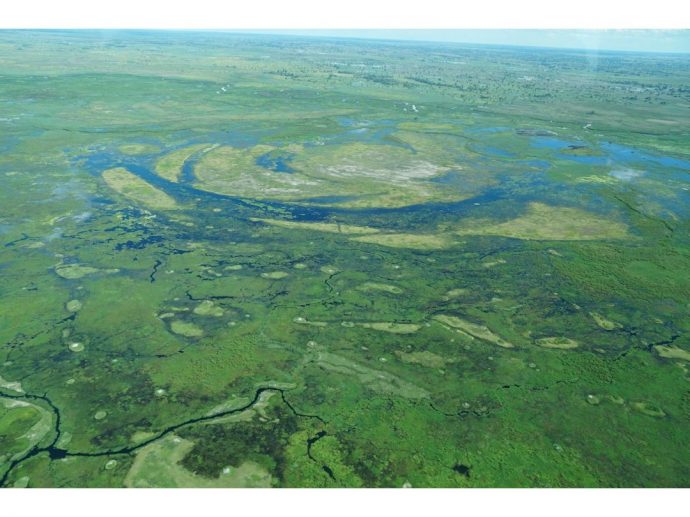
Southern Africa, including countries such as South Africa, Botswana, Zambia, Zimbabwe, and Namibia, offers a different yet equally captivating safari experience. This region is known for its diverse ecosystems, from the lush Okavango Delta in Botswana, where mokoro (traditional canoe) safaris offer unique water-based wildlife viewing, to the arid, dramatic landscapes of Etosha National Park in Namibia, famous for its waterhole game viewing in the dry season. South Africa's Kruger National Park is a classic choice, offering excellent Big Five sightings and well-developed infrastructure. Victoria Falls, straddling Zambia and Zimbabwe, provides a spectacular natural wonder that can be easily combined with safaris in the region. Southern Africa often features denser bushland and riverine forests, providing a different feel to game drives and a focus on wildlife tracking.
Feature East Africa (Kenya, Tanzania, Uganda, Rwanda) Southern Africa (South Africa, Botswana, Zambia, Zimbabwe, Namibia) Landscapes Vast open plains, savannas, volcanic craters, acacia trees Diverse; lush deltas, dense bush, arid deserts, riverine forests, mountains Signature Event Great Migration (Serengeti, Maasai Mara) Okavango Delta water safaris, Victoria Falls Key Wildlife Large herds of wildebeest, zebra, Big Five, gorillas (Uganda/Rwanda) Big Five, unique desert-adapted wildlife (Namibia), diverse birdlife, wild dogs Safari Style Classic game drives in open-sided vehicles, gorilla trekking, hot air balloons Game drives, walking safaris, mokoro (canoe) safaris, boat safaris, self-drive options Best Time Dry season (June-October) for migration; February for calving Dry season (May-October) for wildlife concentration; Green season for lush scenery/birding Typical Cost Generally higher for peak season due to migration demand Varies widely; budget to ultra-luxury options, more self-drive possibilities
Top Regions for African Safari Planning
- Tanzania: Home to the Serengeti and Ngorongoro Crater, offering unparalleled Big Five viewing and the Great Migration for much of the year. It's a cornerstone of East African safari adventures.
- Kenya: The Maasai Mara is world-famous for its role in the Great Migration (July-October) and exceptional predator sightings. Amboseli National Park offers stunning views of Kilimanjaro and large elephant herds.
- Botswana: Known for its commitment to low-impact, high-cost tourism, offering exclusive experiences in the Okavango Delta and Chobe National Park, famous for its elephant populations.
- South Africa: Kruger National Park provides a classic safari experience, often combined with visits to malaria-free private reserves, making it ideal for families. Its infrastructure is well-developed.
- Namibia: Offers unique desert safaris, including Etosha National Park's floodlit waterholes and the dramatic Skeleton Coast.
- Rwanda & Uganda: The primary destinations for unforgettable gorilla trekking experiences, often combined with traditional safaris.
When planning an East African safari, especially one involving Tanzania's iconic parks, understanding the logistical flow from arrival airports is crucial. For many, Kilimanjaro International Airport (JRO) serves as the gateway to the northern safari circuit. Efficient and reliable transport from JRO to nearby safari hubs like Arusha is the first step in a seamless adventure. For instance, securing your JRO Arusha safari transport in advance ensures a smooth transition from your international flight to the start of your safari journey. These regional hubs are essential for connecting travelers to their chosen parks and lodges, underscoring the importance of meticulous planning for both major destinations and the smaller yet critical logistical elements. The sheer landscape diversity across Africa means that each country offers a unique slice of the wild, promising a truly customized experience depending on your chosen region.
Essential Logistics for African Safari Planning
Once you've dreamed up your ideal destination, the practicalities of planning come into focus. These essential logistics—timing, budgeting, and health requirements—are the backbone of a successful African safari.
When to Go and How Far in Advance to Book
The timing of your safari significantly impacts wildlife viewing, crowd levels, and cost. Africa's seasons are generally opposite to the Northern Hemisphere, with a dry season and a green (or wet) season.
- Dry Season (Peak Season): Typically June to October in East Africa and May to October in Southern Africa. This is often considered the best time for wildlife viewing as animals congregate around dwindling water sources, and vegetation is sparser. However, it's also the busiest and most expensive period. Safari lodges and tented camps in popular areas like the Serengeti, Ngorongoro, and Bwindi can book up 12-18 months in advance for these peak months.
- Green Season (Low Season): Generally, November to May in East Africa and November to April in Southern Africa. While there might be occasional rains, this season offers lush landscapes, fewer crowds, and lower prices. Green season lodge rates can be 30-50% lower than peak-season pricing. It's also an excellent time for birdwatching and witnessing newborn animals.
- Shoulder Season: The periods between peak and green seasons (e.g., May and November in East Africa) often offer a good balance of wildlife viewing, fewer tourists, and more moderate prices.
Given the popularity of African safaris, especially for bucket-list events like the Great Migration or gorilla trekking, we strongly advise starting your planning 12-18 months in advance for peak season travel in April 2026. For shoulder or green season trips, 6-9 months is usually sufficient, though earlier is always better for securing preferred accommodations and guides. This proactive approach is a cornerstone of Smart African safari planning, allowing you to secure the best options before they sell out.
Budgeting and Costs for African Safari Planning
The cost of an African safari can vary dramatically, from budget-friendly camping trips to ultra-luxury, exclusive experiences. Several factors influence the price:
- Safari Style: Budget camping safaris might start from around $150-$200 per person per day, while mid-range lodge safaris typically range from $300-$600 per person per day. Luxury safaris, often including private conservancies and fly-in access, can easily exceed $800-$1,000+ per person per day.
- Destination & Season: Popular destinations during peak season (e.g., Maasai Mara during migration) will command higher prices.
- Duration: Longer safaris naturally cost more, but the per-day cost might decrease slightly on extended trips.
- Inclusions: Most packages include accommodation, meals, game drives, and park fees. However, always clarify what's included. Park fees, for example, can range from $25 per day (e.g., South Luangwa, Zambia) to $80 per 24 hours (e.g., Maasai Mara, Kenya) and can add significant unexpected costs if not accounted for.
- Internal Flights: Bush flights to remote camps are common and add to the overall cost.
- Tipping: Tipping guides, drivers, and camp staff is customary and should be factored into your budget. A general guideline is $10-$20 per person per day for guides and $5-$10 for camp staff.
While a safari is an investment, the value often correlates with the experience. Green season travel can offer substantial savings, making a dream safari more accessible.
Visas, Vaccinations, and Health Precautions
Preparing for the health and entry requirements is a critical step in your safari planning.
- Visas: Most African countries require visitors to obtain a visa in advance or upon arrival. Many nations, particularly in East Africa, now offer convenient e-visa systems. For example, Kenya requires an eTA (Electronic Travel Authorization) applied for online, while Tanzania offers e-visas. The East Africa Tourist Visa is a fantastic option for those visiting Kenya, Uganda, and Rwanda, allowing multiple entries for 90 days with a single application. Always check the specific requirements for your nationality and destination well in advance of your April 2026 trip.
- Yellow Fever Vaccination: A Yellow Fever vaccination certificate is often required for entry into certain African countries, especially if you are arriving from or transiting through a country with a risk of Yellow Fever transmission. It's a single shot that provides lifelong protection.
- Malaria Prophylaxis: Many safari destinations are in malaria-risk areas. Consult your doctor or a travel clinic 6-8 weeks before your trip to discuss appropriate anti-malarial medication.
- Other Vaccinations: Routine vaccinations (e.g., Tetanus, Diphtheria, Pertussis, Measles, Mumps, Rubella) should be up to date. Hepatitis A and B, Typhoid, and Rabies vaccinations may also be recommended depending on your itinerary and activities.
- Travel Insurance: Comprehensive travel insurance is non-negotiable. Ensure it covers medical emergencies, trip cancellation/interruption, lost luggage, and, crucially, emergency medical evacuation (e.g., AMREF Flying Doctors service in East Africa). Given the remote nature of many safari camps, medical evacuation coverage is paramount.
- Water Safety: Drink only bottled or filtered water. Most lodges provide safe drinking water.
- Insect Repellent: Pack a high-DEET insect repellent to protect against mosquitoes and other biting insects.
Selecting the Right Safari Experience and Operator
With your destination and logistics in mind, it's time to choose the safari style that best suits you and find a reputable operator to bring it all to life.
Types of African Safaris
Africa offers a diverse range of safari experiences, catering to different preferences and budgets:
- Luxury Safaris: Characterized by opulent lodges, private conservancies, gourmet dining, and personalized service. Often involves fly-in transfers to maximize game viewing time.
- Mid-Range Safaris: A popular choice offering comfortable lodges or tented camps, excellent guiding, and a balance of quality and value.
- Budget Safaris (Camping Safaris): Involve staying in mobile tented camps or public campsites, often with a chef and support crew. A more adventurous and cost-effective way to experience the bush.
- Self-Drive Safaris: Primarily available in Southern Africa (e.g., Kruger National Park). Offers maximum flexibility and independence but requires careful planning and navigation skills. While a thrilling option for some, a first-time safari is often made more valuable by the expertise of a local guide for spotting wildlife and navigating the terrain.
- Group Tours: Can offer cost savings and a social experience. Group sizes vary, with smaller groups (e.g., max 16 people) often offering a more intimate wildlife-viewing experience.
- Private Guided Tours: Ideal for families or small groups, offering a dedicated vehicle and guide, allowing for flexible schedules and personalized experiences.
- Fly-in Safaris: Common in remote areas like Botswana's Okavango Delta, minimizing travel time and maximizing game viewing.
National Parks vs. Private Conservancies
The choice between staying inside a national park or in an adjacent private conservancy can significantly impact your safari experience.
- National Parks: Offer vast areas of protected wilderness and are home to incredible concentrations of wildlife. However, they can sometimes be subject to more vehicle traffic and stricter rules (e.g., no off-roading, no night drives). Park fees are a significant component of safari costs.
- Private Conservancies: Often border national parks (e.g., in Kenya's Maasai Mara ecosystem or Tanzania's Serengeti). They offer exclusive access to fewer vehicles, allowing for off-road driving, night drives, and walking safaris—activities often prohibited in national parks. Conservancies typically place strong emphasis on community involvement and conservation, with higher daily rates often contributing directly to these efforts. Many travelers find that combining stays in both a national park and a conservancy offers the best of both worlds.
Choosing a Reputable Safari Operator or Expert
Selecting the right safari operator is paramount. A good operator serves as your local expert, logistics expert, and troubleshooter, ensuring a seamless and safe journey.
- Experience & Specialization: Look for operators with experience in your chosen region. Many specialize in East or Southern Africa, or even specific countries.
- Reputation & Reviews: Check online reviews (e.g., TripAdvisor, SafariBookings), testimonials, and seek recommendations from trusted sources.
- Accreditation: Membership in recognized industry associations (e.g., African Travel and Tourism Association - ATTA) can indicate adherence to professional standards.
- Local Presence: Operators with a strong local presence often have better on-the-ground knowledge, relationships, and support networks.
- Customization: A good operator should be able to tailor an itinerary to your interests, budget, and travel style. Be wary of generic, one-size-fits-all packages.
- Transparency: Ensure they are transparent about what's included and excluded in the price (e.g., park fees, internal flights, tips).
- Ethical Practices: Inquire about their commitment to responsible tourism, wildlife conservation, and supporting local communities. Many operators offer opportunities for community empowerment or have Junior Ranger programs for children.
- Communication: Assess their responsiveness and willingness to answer all your questions thoroughly. A safari is a significant investment, and you should feel completely comfortable with your chosen partner.
Popular safari experiences like witnessing the Great Migration, tracking the Big Five (lion, leopard, elephant, rhino, buffalo), or the once-in-a-lifetime gorilla trekking in Uganda or Rwanda are often best facilitated by knowledgeable operators who can secure permits and provide expert guiding. They can also arrange unique activities such as dawn hot-air balloon safaris, bush breakfasts, walking safaris, or night drives to spot nocturnal creatures.
Preparing for the Bush: Packing and Safety
The African bush is a unique environment, and preparing correctly is crucial for both comfort and safety.
What to Pack
Packing for an African safari requires a strategic approach, especially if your itinerary involves internal bush flights.
- Luggage Restrictions: This is critical. Bush flights to safari destinations often have a strict 15kg (approximately 33 lbs) weight limit per person, including hand luggage. Soft-sided duffel bags are preferred, as they are easier to stow in small aircraft. Most lodges offer complimentary laundry service, which helps immensely with light packing.
- Clothing:
- Colors: Stick to neutral colors (khaki, olive green, brown, tan, grey). Avoid bright colors, white (gets dirty quickly), and dark blue/black (attracts tsetse flies in some regions). Camouflage patterns are often restricted or prohibited.
- Layers: Temperatures can fluctuate significantly between early morning game drives and midday. Pack layers: light shirts, a fleece or sweater, and a windproof/waterproof jacket.
- Comfort: Loose-fitting, breathable clothing made from cotton or quick-drying fabrics is ideal.
- Sun Protection: A wide-brimmed hat, sunglasses, and high-SPF sunscreen are essential. Long-sleeved shirts and trousers can also protect from the sun and insects.
- Footwear: Comfortable walking shoes or sneakers are perfect for game drives and camp activities. Sandals or flip-flops for relaxing at the lodge.
- Photography Equipment: A good camera (DSLR or mirrorless) with a telephoto zoom lens (at least 200mm) is highly recommended. Bring extra batteries, memory cards, and a dust-proof bag or cover. Binoculars are a must-have for spotting distant wildlife.
- Personal Items:
- Medications: Any prescription medications, plus a basic first-aid kit (pain relievers, anti-diarrhea, insect bite cream, antihistamines).
- Toiletries: Travel-sized toiletries, as many lodges provide eco-friendly options.
- Power: A power bank for charging devices and a universal adapter (Type G for East Africa, Type D/M for Southern Africa) are invaluable.
- Miscellaneous: Headlamp or small flashlight, a good book, and a small daypack for game drives.
Safety Tips and Etiquette on Safari
Safety is paramount, and adhering to guidelines ensures a rewarding and respectful experience.
- Listen to Your Guide: Your safari guide is your expert in the bush. Always follow their instructions, whether in the vehicle or during walking safaris. They understand animal behavior and local conditions.
- Stay in the Vehicle: Never exit your safari vehicle unless explicitly told it's safe to do so by your guide. Wild animals are unpredictable.
- Maintain Distance: Respect wildlife and maintain a safe, non-intrusive distance. Your guide will position the vehicle appropriately.
- Silence and Stillness: During game drives, keep noise to a minimum. Loud talking or sudden movements can disturb animals. Turn the phone ringer off or to silent.
- Night Safety: At night, always request an escort from camp staff when moving between your tent/room and communal areas. Do not wander alone.
- Camp Rules: Familiarize yourself with camp-specific safety rules, especially regarding wildlife within the camp boundaries.
- Respect Local Culture: When visiting local communities or villages, be respectful of customs and ask permission before taking photos of people.
- Environmental Responsibility: Do not litter. Support conservation efforts and ethical wildlife viewing.
The most dangerous animals in Africa are often not the predators, but hippos and elephants, due to their territorial nature and sheer size. Your guide's knowledge is your best defense.
Frequently Asked Questions about Safari Planning
We often hear similar questions from those embarking on their first African safari. Let's address some of the most common ones.
When is the best time to see the Great Migration?
The Great Migration is a year-round phenomenon involving 2 million animals (mostly wildebeest, zebra, and antelope) moving between the Serengeti in Tanzania and the Maasai Mara in Kenya. The "best time" depends on what specific aspect you wish to witness:
- River Crossings (July-October): This is arguably the most dramatic phase, as millions of wildebeest brave crocodile-infested rivers (the Mara River in Kenya and the Grumeti River in Tanzania). This period is peak season for both the Maasai Mara and the northern Serengeti.
- Calving Season (January-March): In the southern Serengeti (Ndutu region), February is the peak calving season, where over 8,000 calves are born daily. This attracts a high concentration of predators and offers incredible photographic opportunities.
- Other Times: The migration is always happening somewhere. From April to June, the herds move north through the central and western Serengeti. From November to December, they move south back towards the calving grounds. A knowledgeable operator can help you pinpoint the best location based on your travel dates for April 2026.
Is it safe to bring children on a safari?
Yes, absolutely! Many families enjoy incredible safaris together. However, careful planning is essential to ensure a safe and enjoyable experience for all ages.
- Age Restrictions: Some lodges and camps have minimum age restrictions for game drives (often 6 or 12 years old) or for staying in unfenced camps, primarily due to safety concerns. Inquire about these when booking.
- Malaria-Free Zones: For younger children, consider malaria-free safari regions, such as parts of South Africa (e.g., the Eastern Cape).
- Fenced Camps & Family Suites: Many lodges offer fenced camps or dedicated family suites with child-friendly amenities and activities.
- Educational Activities: Look for lodges with "Junior Ranger" programs or dedicated children's activities that teach them about the bush in a fun and interactive way.
- Private Vehicles: Booking a private safari vehicle can offer more flexibility for families, allowing for shorter game drives, earlier returns, or more time at sightings if children get restless.
- Health Precautions: Ensure all vaccinations are up to date and discuss malaria prophylaxis with your doctor. Pack appropriate sun protection and insect repellent.
With the right choice of destination, accommodation, and operator, a safari can be a truly transformative and educational experience for children.
What does a typical day on safari look like?
A typical day on safari is structured around the animals' activity patterns, maximizing your chances of incredible sightings.
- Early Morning (Dawn): Days begin early, often before sunrise. You'll be woken with a gentle knock and a hot drink. This is the best time for game drives as predators are often active, and many animals are heading to water sources.
- Morning Game Drive: Head out in your safari vehicle for 3-4 hours of game viewing. Your guide will track animals, share their knowledge, and ensure you have fantastic photo opportunities. Many lodges offer a "bush breakfast" during the drive, adding to the adventure.
- Mid-Day (Siesta/Relaxation): Return to the lodge for a hearty brunch or lunch. The midday heat is when many animals rest, so this is your time to relax by the pool, read a book, or enjoy a siesta. Some lodges offer cultural visits, nature walks, or spa treatments during this time.
- Afternoon Tea: Before the afternoon game drive, you'll often gather for afternoon tea and snacks.
- Afternoon Game Drive: Depart for another 3-4 hour game drive as the heat subsides and animals become more active again.
- Sundowners: As the sun begins to set, your guide will often find a scenic spot for "sundowners"—drinks and snacks enjoyed amidst the stunning African landscape, a quintessential safari experience.
- Evening (Night Drive Option): Return to camp for dinner. In private conservancies, night drives may be offered, offering a chance to spot nocturnal animals such as civets, genets, bushbabies, and even elusive leopards on the hunt.
- Dinner & Stargazing: Enjoy a delicious dinner, often under the stars or in a communal dining area. Many camps offer "boma dinners" (traditional outdoor barbecues). The clear African skies offer incredible stargazing opportunities.
While this is a general outline, each day brings new surprises and unique encounters, making every safari an unforgettable journey.
Conclusion
An African safari is more than just a trip; it's an immersion into the wild heart of our planet, a journey that leaves us with unforgettable memories and a profound connection to nature. As we look towards April 2026, meticulous planning is essential to ensure this dream becomes a seamless reality.
By carefully considering your destination, understanding the essential logistics of timing, budgeting, visas, and health, and selecting the right safari experience and operator, you lay the groundwork for an extraordinary adventure. Preparing wisely, with appropriate packing and adherence to safety and etiquette guidelines, will enhance your comfort and maximize your appreciation for the bush.
An African safari offers a chance for personal transformation, fostering a deeper appreciation for wildlife conservation and the continent's incredible biodiversity. The adventure awaits, promising moments that will resonate with you for a lifetime.
Comments
