Categories more
- Adventures (62)
- Arts / Collectables (14)
- Automotive (77)
- Aviation (65)
- Bath, Body, & Health (123)
- Children (6)
- Cigars / Spirits (71)
- Cuisine (66)
- Design/Architecture (22)
- Electronics (63)
- Entertainment (36)
- Event Planning (115)
- Fashion (45)
- Finance (10)
- Gifts / Misc (6)
- Home Decor (118)
- Jewelry (41)
- Pets (3)
- Philanthropy (1)
- Real Estate (16)
- Services (44)
- Sports / Golf (14)
- Vacation / Travel (85)
- Watches / Pens (33)
- Wines / Vines (34)
- Yachting / Boating (67)


Common Mistakes to Avoid After a Hit-and-Run Accident

Published
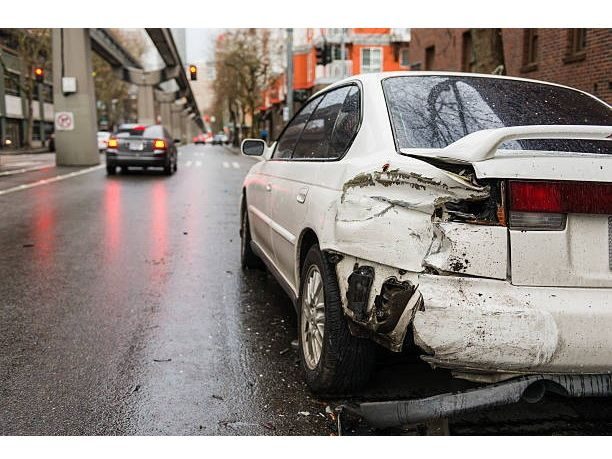
07/23/2026The actions you take immediately after a hit-and-run accident can significantly affect your safety, insurance claim, and any future legal case. Common mistakes such as leaving the scene too soon, delaying medical treatment, failing to collect evidence, or making inaccurate statements can make it much harder to prove what happened and recover compensation.
If you're dealing with the aftermath as a victim of a hit-and-run accident, knowing the right next steps is important. Avoiding a few common errors can help protect your health while saving key evidence that may support your claim later.
Leaving the Scene Too Quickly
One of the biggest mistakes is leaving before the accident has been properly documented or reported to law enforcement. Even if the other driver has fled, you should remain at the scene whenever it is safe to do so.
Staying allows you to:
- Contact the police
- Document vehicle damage
- Speak with witnesses
- Preserve important evidence before it disappears
Leaving too early can complicate both the investigation and your insurance claim.
Failing to Report the Accident
Always report a hit-and-run collision to the police as soon as possible.
An official police report helps establish:
- The time and location of the crash
- Damage to the vehicles
- Witness statements
- Initial information about injuries
- Details that may help identify the fleeing driver
Without an official report, proving the circumstances of the accident may become much more difficult.
Not Collecting Evidence
Evidence gathered in the first few minutes after an accident often becomes the strongest support for your claim.
If it is safe to do so, try to collect:
- Photos of the accident scene
- Pictures of vehicle damage
- Videos of the surrounding area
- Skid marks or debris
- Witness names and contact information
- Any part of the other vehicle's license plate or description
Even small details can help investigators identify the driver who left the scene.
Brent Stewart, a founding attorney at Stewart Law Offices and a car accident lawyer in Charlotte, NC notes that the evidence left behind after a hit-and-run becomes especially critical when the at-fault driver has not been identified. “When there is no other driver at the scene to provide an account of what happened, photographs, witness information, video footage, and even small details about the vehicle can take on greater importance,” Stewart explains. Preserving these details early can help create a stronger foundation for insurance and compensation claims.
Admitting Fault
Many people instinctively apologize after a collision, even when they are unsure what occurred. However, speculation can create unnecessary problems later.
When speaking with police, witnesses, or insurance representatives:
- Stick to facts
- Avoid guessing about speed or fault
- Don't minimize your injuries
- Never assume responsibility without knowing all the facts
Accurate, factual statements are far more helpful than assumptions.
Delaying Medical Care
Some injuries are not immediately obvious after a collision. Neck injuries, concussions, soft tissue damage, and back pain may not appear until hours or even days later.
Quick medical treatment can
- Protect your health
- Create medical records linking injuries to the accident
- Document the severity of your condition
Medical records may later become important evidence and can sometimes be introduced under Federal Rule of Evidence 803(6), which addresses business records such as treatment documentation.
Casually Interacting with Your Insurer
Insurance companies often request statements soon after an accident. While cooperation is important, speaking casually or providing incomplete information can unintentionally affect your claim.
Before providing detailed statements:
- Review the facts carefully
- Avoid speculation
- Read any documents before signing them
- Keep copies of all communications
Well-organized records often make the claims process much smoother.
Ignoring Documentation
Good documentation can become invaluable over time.
Keep copies of:
- Police reports
- Medical bills
- Repair estimates
- Tow truck receipts
- Insurance correspondence
- Photographs and videos
Maintaining complete records supports both insurance claims and any future legal proceedings.
Final Takeaways
- Stay at the scene whenever it is safe to do so.
- Report every hit-and-run accident to the police promptly.
- Gather as much evidence as possible before leaving.
- Avoid admitting fault or making assumptions.
- Seek medical attention even if injuries seem minor.
- Be careful when communicating with insurance companies
Comments
