Categories more
- Adventures (199)
- Arts / Collectibles (315)
- Automotive (219)
- Aviation (279)
- Bath, Body & Health (513)
- Children (116)
- Cigars / Spirits (271)
- Cuisine (723)
- Design / Architecture (1118)
- Electronics (222)
- Entertainment (162)
- Event Planning (296)
- Fashion (550)
- Finance (195)
- Gifts / Misc (141)
- Home Decor (558)
- Jewelry (396)
- Pets (91)
- Philanthropy (124)
- Real Estate (386)
- Services (221)
- Sports / Golf (213)
- Vacation / Travel (1036)
- Watches / Pens (223)
- Wines / Vines (861)
- Yachting / Boating (4090)



Elevating Your Event with Professional Catering and Floral Design

Published
08/21/2026Understanding Full-Service Event Planning and Catering Services
Planning a truly unforgettable event requires more than just a guest list. It involves a thoughtful blend of culinary artistry, seamless coordination, and captivating aesthetics. For many, the food and beverage experience is central, transforming a simple gathering into a celebrated occasion. This is where professional, gourmet catering services truly shine, offering bespoke menus and flawless execution.
Beyond the plate, effective event planning encompasses intricate logistics, guest experience, and visual appeal. We will explore the multifaceted world of professional event planning and catering services. We'll delve into everything from diverse catering styles and menu customization to the crucial role of event coordinators and the elegance of floral design. Our goal is to provide insights that help elevate your next event from concept to unforgettable reality.

When envisioning an event, the choice between different catering and planning models can significantly impact the overall experience. Full-service event planning and catering go beyond simply delivering food; they encompass a comprehensive approach to event execution, guest hospitality, and meticulous logistics management. This holistic service aims to alleviate the burden from the host, ensuring every detail is expertly handled from conception to conclusion.
A full-service caterer, for instance, typically manages the entire culinary aspect of an event. This includes not only the preparation and presentation of food but also the provision of trained staff, necessary equipment, and often, post-event cleanup. This contrasts sharply with other options like drop-off or pickup services, where the responsibility for setup, service, and breakdown largely falls to the client. For a clearer understanding, let's consider a comparison:
Feature Full-Service Catering Drop-Off/Pickup Service Food Prep On-site or off-site, professionally presented Off-site, delivered or picked up in containers Staffing Provided (chefs, servers, bartenders, captains) Not provided; client handles service Setup Handled by catering staff (tables, linens, food stations) Client responsible for all setup Service Continuous, professional food and beverage service Self-service by guests or client staff Cleanup Post-event tidying of food areas and equipment Client responsible for all cleanup Equipment Often includes rentals (dishes, glassware, linens) Client provides or rents separately Event Types Weddings, corporate galas, formal dinners, large parties Casual lunches, corporate meetings, informal gatherings Guest Experience Elevated, seamless, attentive Functional, convenient, less formal 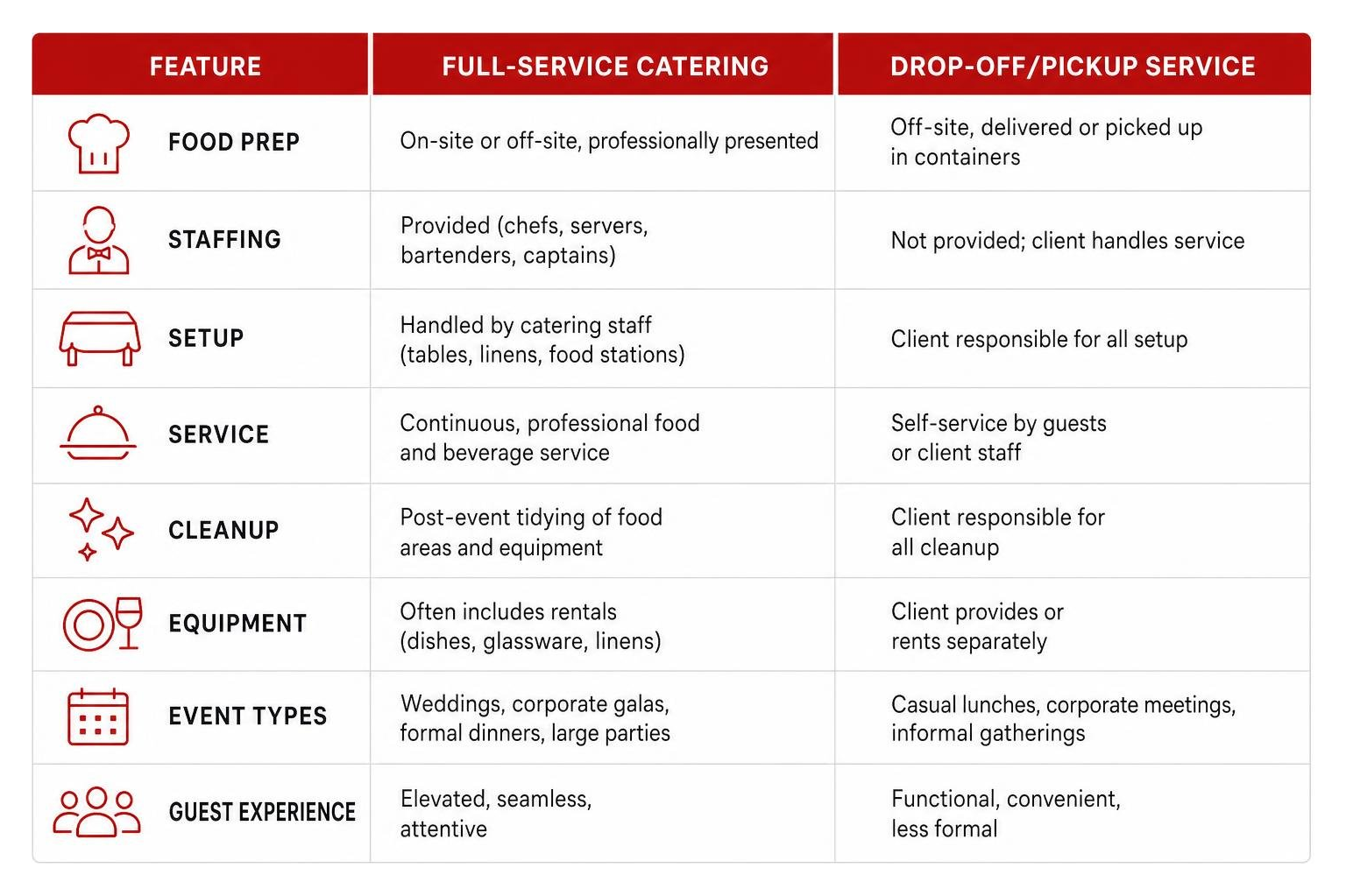
Full-service event providers, such as those catering to university departments or large corporate groups, offer end-to-end management, from casual coffee breaks to elaborate plated dinners. They are equipped to handle the complexities of both on-campus and off-campus events, ensuring a consistent level of quality and professionalism.
Plated Dinners, Buffets, and Interactive Food Stations
The service style chosen for an event plays a pivotal role in defining its atmosphere and flow. Professional catering companies offer a diverse range of options, each suited to different event types and guest experiences.
Plated dinner service epitomizes elegance and formality. Guests are served individual courses directly at their tables, allowing for a structured and sophisticated dining experience. This style often offers a choice of two main protein options, such as fish, beef, or chicken, alongside a dedicated vegetarian or vegan alternative. The culinary presentation is paramount, with each dish meticulously arranged to create a visual as well as gastronomic delight.
Buffet options provide flexibility and variety, allowing guests to select dishes according to their preferences. While often perceived as more casual, a well-executed buffet can still be incredibly refined, featuring beautifully arranged food displays and a wide array of choices, from hot entrees to fresh salads and decadent desserts.
Interactive food stations add an element of excitement and personalization to an event. Imagine a chef carving roasted meats to order, a pasta bar where guests choose their ingredients, or a dessert station with made-to-order crepes. These stations not only serve delicious food but also provide entertainment and opportunities for guests to mingle. Popular choices include beignet stations, hot cocoa bars for colder months, or even miniature comfort food pairings like tomato bisque with mini grilled cheese shooters, perfect as icebreakers.
For cocktail receptions, tray-passed hors d'oeuvres are a staple. These bite-sized delicacies circulate among guests, encouraging interaction while offering a taste of the culinary delights to come. Popular choices often include sophisticated options like Spicy Tuna on Crispy Rice, Ahi Tuna Poke Tacos with guacamole and eel sauce, or Mini LA Dogs, showcasing both creativity and crowd-pleasing flavors.
The Logistics of Drop-Off vs. Full-Service Event Planning and Catering Services
Understanding the logistical differences between drop-off and full-service catering is crucial for effective event planning.
With drop-off delivery, the caterer prepares and transports the food to your event location. Once delivered, the responsibility for setup, serving, and subsequent cleanup typically shifts entirely to the client. This can be a cost-effective solution for informal gatherings, business lunches, or events where you have dedicated staff or volunteers to manage the food service. However, it requires careful planning on the client's part to ensure all necessary serving dishes, utensils, and warming equipment are available.
Full-service catering, on the other hand, provides a seamless experience from start to finish. The catering team arrives well in advance, usually 1.5 to 2 hours before guests are scheduled to arrive, to handle all aspects of setup. This includes arranging tables, placing linens, setting up food stations, and ensuring the kitchen area is prepared for service. Throughout the event, a dedicated team of chefs, servers, and a staff captain ensures smooth operation, from food presentation to guest assistance. After the event concludes, typically about an hour after the last guest departs, the catering staff manages all post-event cleanup related to food and beverages, including bussing tables, washing dishes, and removing catering equipment. This end-to-end management frees the host to fully engage with their guests and enjoy the occasion without logistical worries.
Professional full-service caterers often have mandatory in-house service training for their event staff, ensuring a high standard of professionalism and efficiency. They also adhere to strict temperature control protocols during food transit from their commercial kitchen headquarters to the venue, guaranteeing food safety and quality.
Menu Selection, Dietary Accommodations, and Bar Packages
Crafting a memorable event menu involves more than just selecting delicious dishes; it requires thoughtful menu customization, meticulous attention to dietary restrictions, and expert beverage management to ensure every guest feels accommodated and delighted.
Accommodating Dietary Restrictions and Popular Appetizers in Event Planning and Catering Services
In today's diverse culinary landscape, catering companies must be adept at accommodating a wide array of dietary needs. Professional caterers are well-versed in allergen protocols and offer extensive options for guests with specific requirements. This includes providing gluten-free options, dairy-free alternatives, soy-free preparations, ketogenic-friendly dishes, and a robust selection of vegan menu items. For instance, a Mediterranean Cauliflower Steak topped with Roja Chimichurri, zucchini, cherry tomatoes, and white lemon citrus quinoa is a popular and delicious vegan choice.
When planning a plated dinner, clients can typically offer their guests a choice of two main protein options (e.g., fish, beef, or chicken) along with a dedicated vegetarian or vegan entrée. This ensures that all guests have a satisfying and thoughtfully prepared meal.
For severe allergies, professional caterers implement stringent protocols to prevent cross-contamination, often preparing individual meals in separate areas and clearly labeling dishes. Clear communication with the client about guest dietary needs well in advance is paramount to ensure guest safety and comfort.
Beyond dietary considerations, the selection of appetizers sets the tone for the culinary experience. Popular choices for tray-passed appetizers, as previously mentioned, often include sophisticated and flavorful options like Spicy Tuna on Crispy Rice, Ahi Tuna Poke Tacos with guacamole and eel sauce, and Mini LA Dogs. These bite-sized delights are designed to be easily consumed while mingling and often reflect the overall quality and creativity of the caterer's offerings. For those seeking truly exceptional culinary experiences, exploring a range of options from a provider of specialized gourmet catering services can elevate the entire event.
Bar Service Logistics, Staffing Ratios, and Beverage Packages
Bar services are an integral part of many events, and professional caterers often provide comprehensive solutions, from liquor licensing to custom beverage packages.
A key aspect of offering bar services is proper licensing. Some catering companies hold specialized liquor licenses, such as a Type 83 full alcohol liquor license, which allows them to serve alcohol at virtually any venue, including state parks and private residences. This eliminates the need for clients to secure their own permits, simplifying event planning significantly.
Professional bar services typically offer a variety of beverage packages, ranging from basic beer and wine selections to full premium bars with spirits, mixers, and garnishes. Many also excel in crafting unique signature cocktails and custom seasonal mocktails, adding a personalized touch to the event. Imagine a winter holiday cocktail featuring real apple cider, cinnamon syrup, lemon juice, and ginger ale, garnished with a dehydrated apple slice.
Effective staffing is crucial for smooth bar service and overall event flow. For full-service events, staffing ratios are carefully determined based on guest count and menu complexity. A common guideline suggests approximately one chef per 20-25 guests and one server per 10-15 guests. Additionally, a dedicated Staff Captain is usually assigned to oversee the entire catering operation, ensuring seamless coordination. For bar services, specialized staff such as bartenders, mocktologists (for non-alcoholic creative drinks), and even sommeliers for wine pairings can be provided to elevate the guest experience. It's standard practice for service staff shifts to carry a mandatory minimum, often four hours, to ensure adequate coverage and preparation time.
Integrating Event Rentals and Floral Design into Event Logistics
Beyond the culinary delights, the visual appeal of an event space plays a crucial role in creating a memorable atmosphere. Integrating event rentals and thoughtful floral design transforms a venue, reflecting the event's theme and enhancing the guest experience.

Pairing Table Settings with Hand-Crafted Floral Arrangements
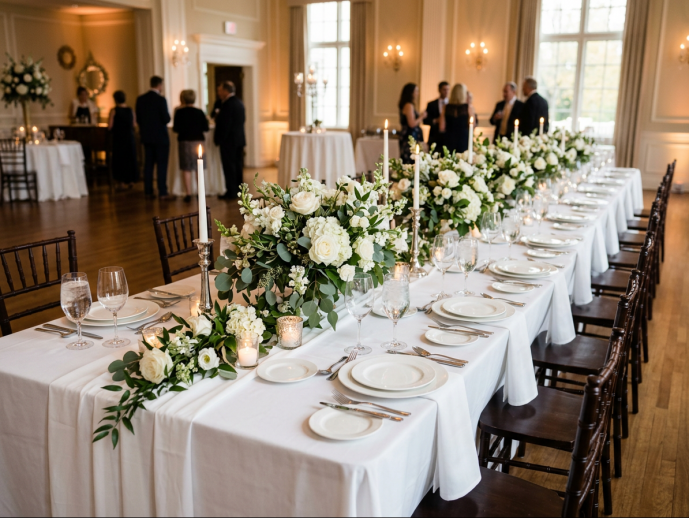
The synergy between table settings and floral arrangements is fundamental to achieving a cohesive and elegant event aesthetic. Custom table linens, dinnerware, glassware, and flatware all contribute to the overall visual hierarchy and guest comfort. Professional event planners and caterers often work with clients to select these elements, ensuring they align with the event's color scheme, theme, and formality.
Centerpiece alignment is key; whether it's tall, dramatic floral displays or low, sprawling arrangements, they must complement the table layout and allow for easy conversation among guests. Floral accents can extend beyond centerpieces to adorn welcome tables, bars, and even restrooms, creating a consistent and immersive environment.
While some caterers may not provide wedding cakes in-house, they often have established relationships with local bakeries and can recommend trusted vendors. Crucially, their staff will handle the cutting, serving, and bussing of the cake, ensuring a smooth dessert experience. To truly elevate the aesthetic, consider incorporating exquisite hand-crafted fresh flower arrangements that can serve as stunning focal points and tie all the design elements together.
Equipment Rentals and On-Site Setup Protocols
Professional event planning and catering services frequently offer a comprehensive range of equipment rentals, eliminating the need for clients to source these items independently. This can include everything from basic dinnerware and glassware to specialty serving equipment, chafing dishes, and even decorative items like custom signage and displays.
The logistics of equipment delivery, setup, and retrieval are meticulously managed by the catering and event team. Staff arrive well in advance to coordinate the placement of all rented items, ensuring tables are set, bars are stocked, and all functional and decorative elements are perfectly positioned. This includes setting up decor, displays, and signage, often with an eye toward creating custom guest experiences. Following the event, the team also handles the efficient breakdown and packing of all equipment, ensuring the venue is left clean and tidy, adhering to post-event cleanup protocols. This comprehensive service streamlines the planning process and guarantees a polished, professional presentation.
The Essential Role of Event Coordinators and Booking Timelines
While catering handles the culinary aspects, event coordinators are the maestros orchestrating every element of an event. Their role is essential in ensuring a seamless experience, managing timelines, vendors, and unexpected challenges.
Event Planning Timelines and Vendor Management
The timeline for booking event coordination and catering services can vary significantly based on the event's scale, complexity, and the desired level of service. For larger, more intricate events like weddings or major corporate galas, it's advisable to begin the planning process well in advance, often 6 to 12 months out, or even a year prior to the event date. This allows ample time for vendor referrals, contract negotiations, and detailed design planning for layouts, seating charts, menus, and programs.
Even for "day-of coordination" services, professional event planners typically begin their involvement much earlier, usually around three months prior to the event. During this period, they consolidate information from all booked vendors, draft a comprehensive master timeline, and begin managing logistics to ensure everything is aligned. Engaging with qualified event planners from these early stages through to the day of operations is a best practice for a successful event. This proactive approach helps secure preferred vendors, manage lead times, and navigate potential scheduling conflicts, especially during peak seasons.
Day-Of Coordination and Execution Standards
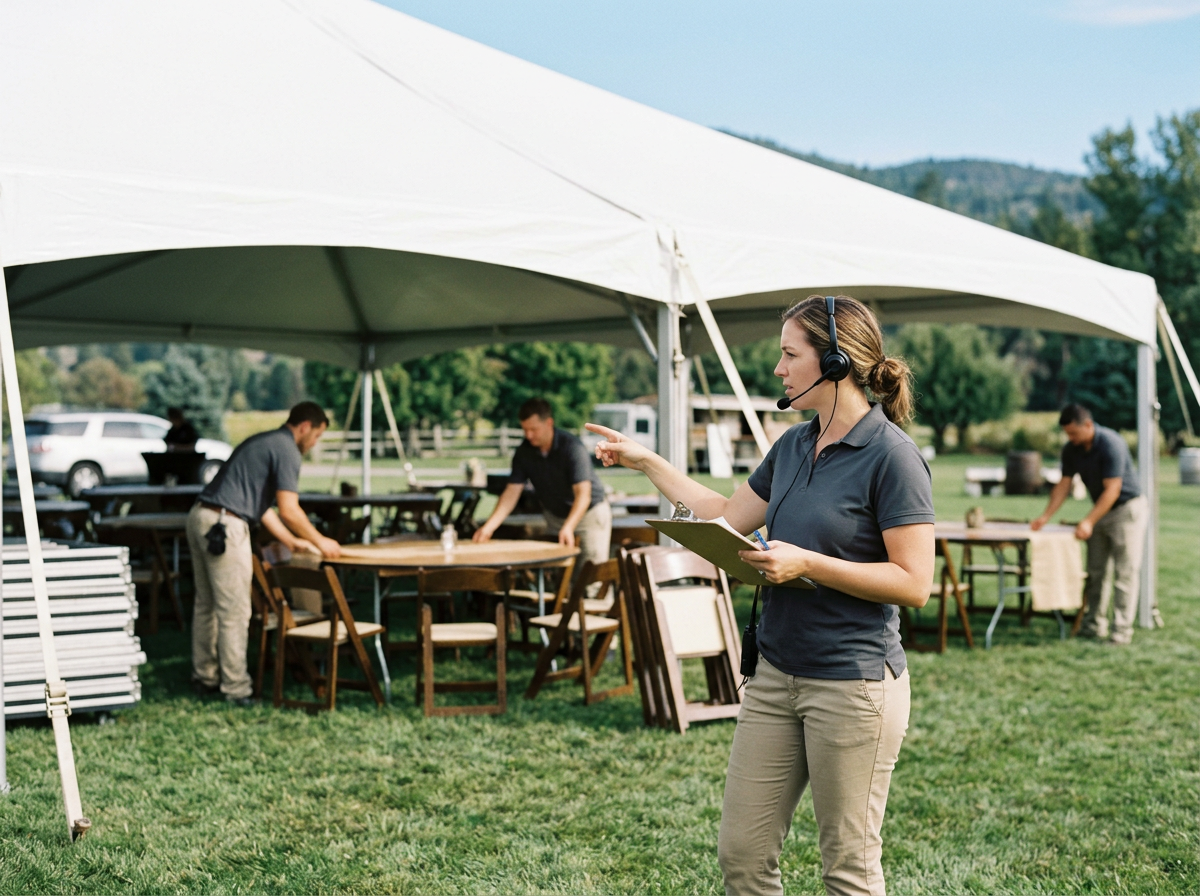
The day of the event is when all the meticulous planning comes to fruition, and this is where an event coordinator truly shines. Their primary role is to execute the master timeline, ensuring every vendor arrival, setup, and activity is synchronized. This includes directing vendor teams, overseeing the setup of decor and catering, and managing the flow of guests and the event program.
A day-of coordinator acts as the central point of contact, fielding questions, resolving unforeseen issues, and enforcing the timeline, allowing the host to relax and enjoy their event. Their expertise in problem-solving and vendor synchronization is invaluable. As one professional put it, confidence in the event execution team is the single factor that makes or breaks an event day. They also often manage tasks like directing rehearsals, ensuring all elements, from the ceremony to the reception, transition smoothly. The ultimate goal is to provide host relief, allowing them to be present and engaged with their guests, rather than preoccupied with logistical details.
Frequently Asked Questions About Event Planning and Catering Services
We often encounter common questions from clients embarking on their event planning journey. Here are some of the most frequent inquiries and our insights.
How far in advance should I book event planning and catering services?
The ideal booking lead time for event planning and catering services largely depends on the size and complexity of your event, as well as the time of year. For large-scale events like weddings or major corporate functions, especially during peak seasons (typically spring and fall), we recommend booking at least 6 to 12 months in advance. This allows sufficient time to secure your preferred vendors, finalize menus, and undertake detailed planning. For smaller, less complex events or "day-of" coordination services, engaging a planner or caterer 3 to 6 months out is often sufficient to ensure thorough preparation and a smooth execution. A preliminary consultation early in your planning process can help establish a realistic timeline.
What staffing ratios are recommended for a full-service event?
Appropriate staffing ratios are critical for delivering seamless service and an excellent guest experience. For full-service catering, a general guideline is to have one chef per 20-25 guests, ensuring culinary excellence and timely food preparation. For front-of-house service, a ratio of one server per 10-15 guests is typically recommended to provide attentive service, clear tables efficiently, and assist guests as needed. Additionally, a dedicated Staff Captain is usually assigned to oversee the entire catering team and coordinate with other event vendors. These ratios can be adjusted based on the event's formality, menu complexity, and specific service needs, such as the inclusion of interactive food stations or a full bar. All service staff generally work a mandatory minimum shift, often four hours, to cover setup, event duration, and cleanup.
How do professional caterers manage severe food allergies and dietary needs?
Professional caterers prioritize guest safety and comfort by implementing robust protocols for managing food allergies and dietary needs. This begins with clear communication during the planning phase, where clients provide detailed information about guest restrictions. Caterers then develop customized menu solutions, which may include preparing individual meals for guests with severe allergies. They often utilize dedicated preparation areas to prevent cross-contamination and ensure all dishes are clearly labeled with ingredients and potential allergens. Accommodations for common dietary needs such as celiac, dairy-free, soy, ketogenic, and vegan diets are standard. Our best practice involves maintaining clear communication, meticulous preparation, and thorough labeling to ensure every guest can enjoy their meal safely and with confidence.
Conclusion
Planning a successful event is an intricate dance of many elements, where each component must harmonize to create a memorable experience. From the initial concept to the final farewell, the integration of professional event planning and catering services is paramount. We've explored how diverse service styles, meticulous menu planning, and thoughtful dietary accommodations ensure culinary excellence. We've also highlighted the critical role of event coordinators in managing timelines and vendors, alongside the transformative power of aesthetic synchronization through rentals and floral design.
The goal is to create an event that not only meets but exceeds expectations, leaving a lasting impression on every guest. By entrusting your vision to experienced professionals, you ensure a seamless execution, allowing you to savor every moment of your special occasion. With Scratch Catering and Fine Foods, we are dedicated to bringing your unique event to life with unparalleled culinary artistry and impeccable service.
Comments
