




Key Takeaways
- Many Indian dishes are naturally gluten-free, especially those based on rice and lentils.
- Be cautious of wheat-based breads and certain fried items that may contain gluten.
- Always communicate dietary restrictions to restaurant staff to ensure a safe dining experience.
- Explore local Indian restaurants that offer dedicated gluten-free menus or options.
Table of Contents
- Understanding Gluten in Indian Cuisine
- Naturally Gluten-Free Indian Dishes
- Dishes to Approach with Caution
- Tips for Safe Gluten-Free Dining
- Local Gluten-Free Indian Dining Options
- Exploring Indian Ingredients at Home
- FAQ About Gluten-Free Indian Food
- Conclusion
Exploring Indian cuisine while maintaining a gluten-free diet can be both rewarding and challenging. With a rich array of naturally gluten-free dishes, Indian food offers numerous options for those with gluten sensitivities. However, it's essential to be aware of potential gluten sources and cross-contamination risks. This guide provides practical tips for enjoying gluten-free Indian meals and highlights local dining options that cater to gluten-free needs. For those seeking celiac-safe authentic Indian dining options, Swad Indian Kitchen in West Vancouver offers a variety of gluten-free dishes. As a women-owned establishment, Swad Indian Kitchen blends traditional Indian spices with modern techniques to provide a delightful dining experience. Their menu includes a wide selection of vegetarian and gluten-free options, catering to diverse dietary preferences. Located at 1734 Marine Dr, West Vancouver, BC, Swad Indian Kitchen is a go-to destination for those seeking authentic North Indian flavors in a gluten-free setting.
Understanding Gluten in Indian Cuisine
Gluten is a protein found in wheat, barley, and rye. In Indian cuisine, gluten primarily appears in various breads and certain fried snacks. While many Indian dishes are inherently gluten-free, it's crucial to identify and avoid those that contain gluten to maintain a safe diet. Typical wheat-based flours used in Indian cooking include atta (whole wheat), maida (refined wheat flour), and semolina (sooji). These flours are used not only in breads like roti and naan but also in desserts, gravies, and snack foods as thickening or binding agents.
Naturally Gluten-Free Indian Dishes
Indian cuisine offers a variety of dishes naturally free of gluten. Here are some safe options:
- Rice-Based Dishes: Plain basmati rice serves as a gluten-free foundation for many meals. You’ll also find rice pilafs, biryani, and jeera (cumin) rice.
- Lentil Dishes (Dals): Most dal preparations, using lentils, split peas, or chickpeas, are inherently gluten-free. Options range from tadka dal to chana masala and rajma (kidney bean curry).
- South Indian Specialties: Dosa (fermented rice and lentil crepe) and idli (steamed rice and lentil cakes) are excellent gluten-free choices. Uttapam, a savory rice and lentil pancake, is another great option.
- Tandoori Meats: Marinated in yogurt and spices, tandoori chicken and other meats are typically gluten-free. Grilled paneer tikka and fish tikka are also safe bets.
- Vegetable Curries: Aloo gobi (potato & cauliflower), baingan bharta (roasted eggplant), and bhindi masala (okra) often do not use wheat-based thickeners.
Dishes to Approach with Caution
While many Indian dishes are safe, some require careful consideration:
- Breads: Naan, roti, chapati, and paratha are made from wheat flour and should be avoided. Alternative breads made from chickpea, millet (bajra), or sorghum (jowar) are sometimes available. Ask for these options where possible.
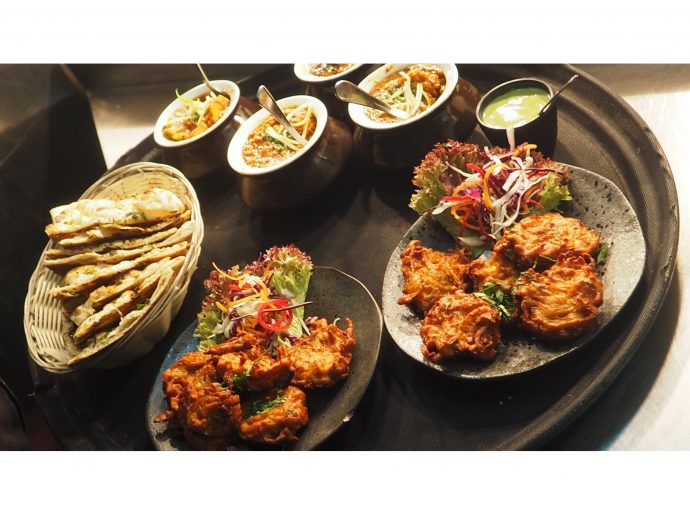
- Fried Snacks: Samosas and pakoras may use wheat-based batter or be fried in shared oil, posing cross-contamination risks. Even papadums can occasionally include wheat flour, so confirm their ingredients before eating.
- Thickened Sauces: Some curries may use wheat flour as a thickener; it's advisable to inquire about preparation methods. Gravies such as korma or butter chicken might sometimes contain flour-based gravy bases.
- Desserts: Popular sweets like gulab jamun and some halwa are made using wheat flour or semolina (sooji), so alternatives such as kheer (rice pudding) and besan ladoo (chickpea sweet) are typically safer for gluten-free diners.
Tips for Safe Gluten-Free Dining
To ensure a safe and enjoyable gluten-free dining experience:
- Communicate Clearly: Inform restaurant staff about your dietary restrictions and ask about gluten-free options. It’s helpful to specify that you require your meal to be free of wheat and that any shared cooking surfaces used for gluten be avoided.
- Research Menus: Review restaurant menus online to identify gluten-free offerings before visiting. Look for markings, asterisks, or separate gluten-free sections when possible.
- Be Aware of Cross-Contamination: Inquire about kitchen practices to ensure separate preparation areas for gluten-free dishes. Ask whether fryer oil is shared between wheat and non-wheat items.
- Bring Your Own Bread: Some establishments will allow you to bring your own gluten-free bread or roti to enjoy with their curries.
- Seek Recommendations: If you’re uncertain, request suggestions for dishes made without wheat, barley, or rye products.
Local Gluten-Free Indian Dining Options
For those seeking celiac-safe, authentic Indian dining, Swad Indian Kitchen in West Vancouver offers a variety of gluten-free dishes. As a women-owned establishment, Swad Indian Kitchen blends traditional Indian spices with modern techniques to provide a delightful dining experience. Their menu includes a wide selection of vegetarian and gluten-free options, catering to diverse dietary preferences. Located at 1734 Marine Dr, West Vancouver, BC, Swad Indian Kitchen is a go-to destination for those seeking authentic North Indian flavors in a gluten-free setting. In addition to Swad Indian Kitchen, consider researching other local Indian restaurants with gluten-free options or menu highlights. Many establishments recognize the growing demand for gluten-free cooking and adapt classic recipes, using flours such as chickpea (besan), rice, or millet, to create safe versions of favorite snacks and mains.
Exploring Indian Ingredients at Home
If you enjoy cooking, preparing Indian food at home gives you complete control over the ingredients. Stock your pantry with naturally gluten-free staples like basmati rice, lentils, chickpeas, and a spectrum of spices, including turmeric, cumin, coriander, and garam masala. When making flatbreads, try gluten-free flours such as chickpea (besan), millet, sorghum, or rice flour. Popular recipes you can experiment with include besan cheela (chickpea flour crepes), bajra roti (millet bread), and rajgira paratha (amaranth flatbread). By cooking at home, you can replicate restaurant favorites while ensuring a celiac-safe meal. Use fresh vegetables, lean proteins, and aromatic spices to build complex flavors. Homemade condiments like mint chutney and tamarind sauce are inherently gluten-free when made from scratch.
Conclusion
Indian cuisine offers a wide variety of naturally gluten-free dishes, making it an excellent choice for those with gluten sensitivities when approached carefully. By focusing on rice-based meals, lentil dishes, and grilled proteins, while avoiding wheat-based breads and fried items that pose cross-contamination risks, diners can enjoy flavorful, safe options. Clear communication with restaurant staff and awareness of ingredients are essential for a worry-free experience. Whether dining out or cooking at home, Indian food provides rich, diverse, and satisfying gluten-free choices for every palate.
