Categories more
- Adventures (199)
- Arts / Collectibles (315)
- Automotive (219)
- Aviation (279)
- Bath, Body & Health (513)
- Children (116)
- Cigars / Spirits (271)
- Cuisine (723)
- Design / Architecture (1118)
- Electronics (222)
- Entertainment (162)
- Event Planning (295)
- Fashion (550)
- Finance (195)
- Gifts / Misc (141)
- Home Decor (558)
- Jewelry (396)
- Pets (91)
- Philanthropy (124)
- Real Estate (386)
- Services (221)
- Sports / Golf (213)
- Vacation / Travel (1036)
- Watches / Pens (223)
- Wines / Vines (861)
- Yachting / Boating (5178)



Essential Interior Protection Strategies for Luxury Vehicles

Published
09/07/2026Purchasing a bespoke automobile is a significant financial investment that promises unparalleled comfort and cutting-edge engineering. However, beneath the harsh Australian sun, the opulent interiors of high-end vehicles face a relentless environmental threat. Extreme heat and ultraviolet radiation can quietly dismantle the exact features that make a luxury car so desirable.
Taking proactive measures is the only way to safeguard your cabin. Discerning drivers know that relying on standard tinted glass is often insufficient. Upgrading to the best vehicle sunshade available ensures that destructive solar energy is reflected away before it can penetrate the interior, preserving the life of delicate materials and sensitive dashboard electronics.
The Hidden Cost of Ultraviolet Exposure
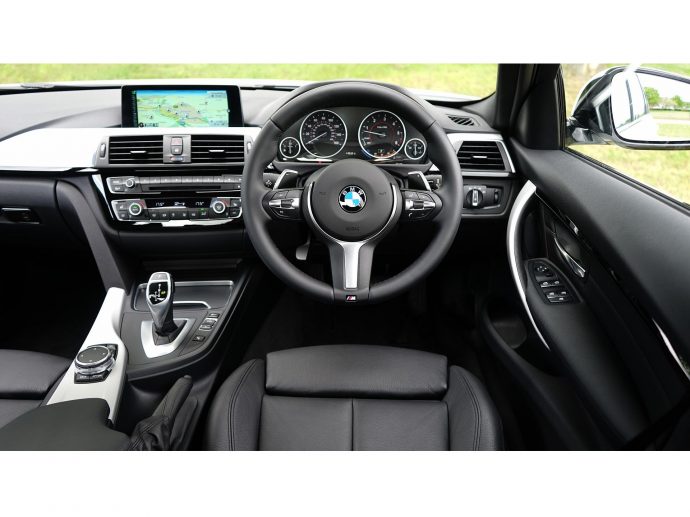
When a vehicle is parked outside on a sunny afternoon, cabin temperatures can quickly escalate to 46.6 degrees Celsius. More alarmingly, dashboard surfaces can exceed a blistering 74 degrees within a single hour. This intense thermal cycling is disastrous for premium automotive materials. Ultraviolet rays trigger photodegradation, an irreversible process that breaks down the molecular bonds in natural leather, causing it to become prematurely faded, brittle, and prone to severe cracking.
Automotive engineers actually design specific stress tests to measure how quickly expensive leather and dashboard plastics will crack, fade, and degrade under prolonged, windscreen-filtered sunlight, as detailed in the SAE J2412 weathering standard. Carbon fibre trims are equally vulnerable to this damage. The clear epoxy resin binding these high-performance materials can turn dull, yellow, or chalky under constant UV exposure. Furthermore, delicate infotainment displays often suffer from warped optical adhesives due to the heat, resulting in bubbling touchscreens, ghost touches, or dead spots that demand complex diagnostic repairs.
Shielding Your Investment Proactively
The financial impact of this environmental damage is staggering. Replacing a severely warped or sun-cracked leather dashboard on a premium vehicle, such as a Mercedes-Benz G-Class, can easily cost between $2,500 and $3,500 for the part and specialised labour. Even localised restorative repairs for faded leather car seats add up quickly, making preventative care a much smarter financial decision than reactive restoration.
While many discerning drivers search for how to make your car feel more luxurious through meticulous detailing and interior upgrades, the ultimate luxury move is proactively defending those premium materials against irreversible UV damage. Consistent upkeep routines and physical barriers are vital to keeping the cabin in showroom condition.
A robust defence always begins at the glass. Standard, one-size-fits-all suction-cup shades often leave perimeter gaps where unfiltered, destructive rays can still penetrate the cabin. Premium, custom-fitted windscreen protectors utilise specialised materials, such as a triple-laminate construction with an insulating foam core, to reflect solar radiation and drastically lower internal temperatures before damage occurs.
Essential Strategies for Lasting Interior Defence
Maintaining the pristine condition of a bespoke cabin requires a strategic approach to environmental protection. Implementing a few critical habits will preserve both the aesthetic appeal and the long-term resale value of your vehicle.
Consider incorporating the following protective measures into your standard automotive care routine:
- Deploy exact-fit thermal barriers: Utilising a premium windscreen protector can reduce overall ambient cabin temperatures by up to 15 degrees Celsius and lower dashboard surface temperatures by a staggering 45 degrees.
- Install UV-resistant side shades: Custom-fitted magnetic window shades can block up to 84 percent of harmful UV rays. This prevents side-panel leather fading while still allowing the windows to be partially lowered for natural ventilation.
- Condition natural materials regularly: Pair your physical sun barriers with high-quality leather conditioners. Hydrating the hides prevents the microscopic cracking that occurs when extreme heat leaches essential natural oils from the seats.
- Protect delicate electronics: Modern digital instrument clusters require consistent shade to prevent hazy screen coatings and intense glare issues. Keeping the dashboard cool ensures internal circuit boards and wiring insulation do not warp over time.
Preserving a luxury vehicle goes far beyond routine mechanical servicing and exterior washes. The interior is where drivers experience the true essence of automotive craftsmanship every single day. By acknowledging the severe impact of solar radiation and adopting uncompromising protective strategies, owners can ensure their custom leather, carbon fibre trims, and advanced electronics remain absolutely immaculate for years to come. Investing time in interior preservation not only maintains a superior driving environment but also protects the considerable capital poured into your bespoke vehicle.
Comments
