Categories more
- Adventures (220)
- Arts / Collectibles (400)
- Automotive (980)
- Aviation (402)
- Bath, Body & Health (6828)
- Children (139)
- Cigars / Spirits (297)
- Cuisine (741)
- Design / Architecture (1129)
- Electronics (255)
- Entertainment (278)
- Event Planning (435)
- Fashion (1255)
- Finance (461)
- Gifts / Misc (166)
- Home Decor (685)
- Jewelry (1039)
- Pets (148)
- Philanthropy (124)
- Real Estate (450)
- Services (226)
- Sports / Golf (321)
- Vacation / Travel (1435)
- Watches / Pens (411)
- Wines / Vines (879)
- Yachting / Boating (9133)




Essential Tips for Preparing Your Commercial Roof for Solar Panels

Published
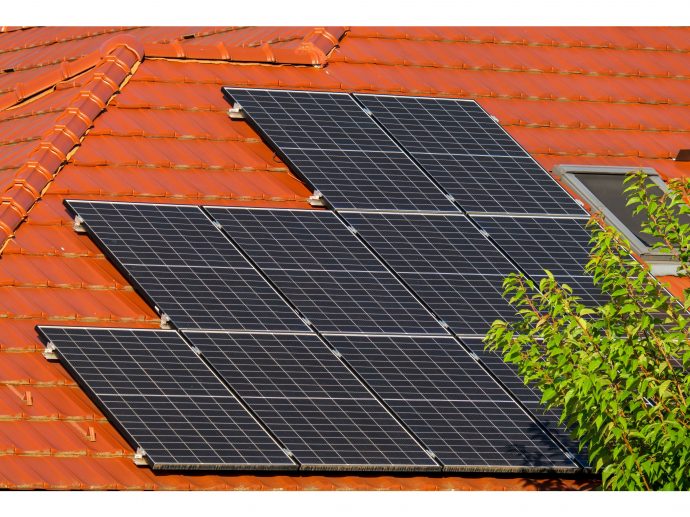
11/18/2026Installing solar panels on a commercial building can help businesses improve energy efficiency and manage long-term electricity expenses. However, preparing the roof before installation is essential to avoid structural problems and unnecessary repair costs. From inspecting existing roofing materials to choosing suitable solar equipment, proper planning helps ensure a reliable installation. Here are five important tips businesses should consider before making the switch to solar energy.
1. Inspect and Maintain Your Commercial Roof With Irosteel
Before installing solar panels, businesses should ensure their commercial roofs are in good condition. A thorough inspection can identify leaks, corrosion, damaged materials, and other issues that may become more difficult to address after installation. Property owners who need roofing assistance can contact IroSteel to explore available roofing-related services and information. It is also important to evaluate whether the roof can support the additional weight of solar panels, mounting systems, and related equipment. Addressing structural concerns and completing necessary repairs beforehand can help protect the building and provide a suitable foundation for a solar installation.
2. Invest in Commercial Solar Energy Solutions With Powertec Solar
Choosing the right solar system starts with understanding a building's electricity requirements. Businesses should review their monthly energy bills, identify consumption patterns, and estimate future electricity needs before deciding on an installation. Powertec Solar provides solar energy solutions for businesses in Manitoba looking to explore renewable energy options. A professional assessment can help determine an appropriate system size, evaluate the property's solar potential, and establish realistic energy production expectations. Selecting a system that matches the building's requirements can help businesses make better use of available rooftop space and work toward long-term energy efficiency goals.
3. Choose the Right Roofing Materials for Solar Installation
Roofing materials influence how solar panels are installed and secured. Commercial properties may have metal, membrane, or other roofing systems, each requiring specific installation methods and mounting equipment. Choosing compatible mounting solutions helps prevent unnecessary damage to the existing roof. Businesses should also consider waterproofing and structural integrity when planning the installation. Consulting experienced roofing and solar professionals can help ensure the selected equipment works with the building's existing roofing system.
4. Check Roof Drainage and Accessibility Before Installation
Proper drainage is essential for maintaining a commercial roof. Blocked drains, standing water, and poor water flow can contribute to deterioration and potential leaks. Before installing solar panels, property owners should inspect gutters, drainage outlets, and other areas where water may accumulate. Roof accessibility is equally important because technicians need safe routes to inspect, clean, and service the equipment. Planning these details can make future maintenance easier.
5. Plan for Long-Term Solar System Maintenance
Solar installations require periodic attention to maintain their performance. Businesses should consider routine inspections, panel cleaning, electrical system checks, and energy production monitoring. Discussing maintenance schedules, warranties, and service support with the installation provider can help property owners understand their responsibilities. Identifying potential problems early can also reduce unexpected disruptions and protect the investment over time.
Preparing Your Commercial Property for Solar Energy
A successful solar installation begins with proper roof preparation and careful planning. By assessing roof conditions, selecting suitable equipment, and considering long-term maintenance, businesses can create a stronger foundation for their renewable energy investment.

Comments