Categories more
- Adventures (17)
- Arts / Collectables (14)
- Automotive (36)
- Aviation (11)
- Bath, Body, & Health (76)
- Children (6)
- Cigars / Spirits (32)
- Cuisine (16)
- Design/Architecture (22)
- Electronics (13)
- Entertainment (4)
- Event Planning (5)
- Fashion (45)
- Finance (10)
- Gifts / Misc (6)
- Home Decor (45)
- Jewelry (41)
- Pets (3)
- Philanthropy (1)
- Real Estate (16)
- Services (23)
- Sports / Golf (14)
- Vacation / Travel (59)
- Watches / Pens (14)
- Wines / Vines (24)
- Yachting / Boating (17)


Event Rentals vs Purchasing: The Cost Consideration

Published
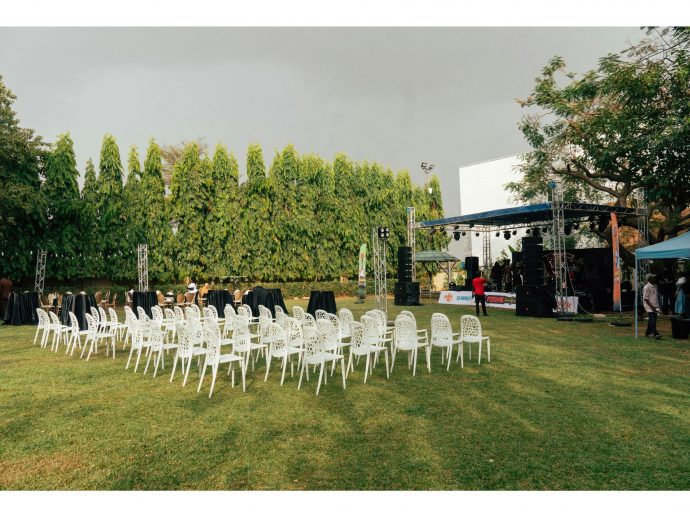
04/29/2026When planning an event, one significant decision involves choosing between renting or purchasing the necessary equipment. Event planners often find themselves wondering which option offers the best financial strategy. Both renting and purchasing come with distinct pros and cons that can impact overall costs, making this an essential consideration.
In this article, we explore the various financial implications associated with each choice and provide guidance on determining the most effective approach for your specific event needs. Considerations such as cost-effectiveness, long-term expenses, and resource optimization are discussed below.
Event Rentals vs Purchasing: Weighing Financial Implications
Renting event equipment can offer significant cost savings for short-term projects. Short-term events typically benefit from the flexibility of rentals, eliminating the need for large upfront investments. Planners can allocate budgets more efficiently, focusing on other critical aspects of the event.
On the other hand, purchasing equipment might be more beneficial for long-term or recurring events. Although it requires a higher initial investment, owning equipment can be cost-effective over time. Frequent event hosts can avoid repeated rental fees, ultimately saving money.
To determine the best option, assess the frequency of your events, potential storage costs, and maintenance expenses. For example, frequent events in the same location might benefit from purchasing, while single or occasional events would be cheaper with Event rentals.
Understanding Long-term Costs in Event Management
Long-term cost evaluation is essential for accurate budgeting in event management. Rentals often include additional fees, such as delivery, setup, and removal, which can accumulate over time for regular event planners. Factoring these into your budget is crucial.
Alternatively, owning equipment comes with its own set of expenses, including maintenance and storage. Equipment depreciation also impacts financial planning, particularly for specialized items that might not be used frequently. It's important to conduct a thorough cost analysis to understand these implications fully.
Conduct a detailed cost comparison for both renting and owning equipment. This should include all associated costs such as maintenance, storage, and potential upgrades. Consulting professionals or utilizing budgeting software can aid in navigating this complex decision-making process. For additional insights into effective financial strategies, consider seeking expert advice.
Choosing Between Rental and Purchase for Different Event Needs
Event-specific needs greatly influence the decision between renting and purchasing. High-end events may require specialized equipment that justifies the resolution to own, especially if the equipment will repeatedly contribute to the event's success. Different events have unique requirements, and flexibility in equipment choice can be an advantage of renting.
On the contrary, community events or seasonal gatherings might benefit more from rentals. This is particularly true when the usage of equipment is infrequent, and storage or maintenance would present additional challenges. Renting offers access to the latest equipment without a long-term commitment.
Consider the nature of your event and the expected quality of equipment. Performing a needs assessment can help determine if renting or purchasing aligns better with your goals. For example, those hosting multiple types of events annually might find rentals offer versatility without capital commitment. Further exploration into budgeting wisely can enhance this decision process.
Maximizing Budget Efficiency for Events
Budget efficiency remains crucial in managing event costs effectively. Whether choosing to rent or purchase, planners should aim for optimal budget allocation. Rented equipment shouldn't compromise the quality of the event but should fit within the budget constraints.
Negotiating rental terms or purchasing discounts can lead to considerable savings. Suppliers often provide customizable packages or loyalty programs for consistent clients. Taking advantage of these can stretch budgets further, ensuring more resources for other important areas of the event.
Assess the market for the best deals, and don't hesitate to negotiate conditions that align with your budget. Maintain open communication with suppliers to uncover potential savings opportunities. Keeping a well-documented budget history can also offer valuable insights into spending trends, promoting long-term savings strategies.
Ultimately, the decision between renting and purchasing depends on a comprehensive understanding of the event needs and long-term financial implications. By evaluating all relevant factors and potential savings, planners can make informed choices that optimize both cost and quality.
Comments
