Categories more
- Adventures (62)
- Arts / Collectables (14)
- Automotive (77)
- Aviation (65)
- Bath, Body, & Health (123)
- Children (6)
- Cigars / Spirits (71)
- Cuisine (66)
- Design/Architecture (22)
- Electronics (63)
- Entertainment (36)
- Event Planning (115)
- Fashion (45)
- Finance (10)
- Gifts / Misc (6)
- Home Decor (118)
- Jewelry (41)
- Pets (3)
- Philanthropy (1)
- Real Estate (16)
- Services (44)
- Sports / Golf (14)
- Vacation / Travel (85)
- Watches / Pens (33)
- Wines / Vines (34)
- Yachting / Boating (67)



Everything You Need To Know About Slip And Fall Claims

Published
08/17/2026Key Takeaways
- Seek medical care promptly, especially after a head impact, severe pain, or worsening symptoms.
- Report the accident to the property owner, manager, supervisor, or employee on duty.
- Take photographs of the condition that caused the fall before it is cleaned, repaired, or removed.
- Save clothing, shoes, receipts, medical records, and communication related to the incident.
- A claim may turn on notice, maintenance practices, evidence, injuries, and applicable state law.
- A quick insurance offer may not account for the full effect of an injury.
Table Of Contents
- What Is a Slip and Fall Claim?
- What To Do Immediately After a Fall
- Why Medical Documentation Matters
- How Responsibility May Be Evaluated
- Evidence That Can Support a Claim
- Potential Losses in a Slip and Fall Claim
- Dealing With Insurance Companies
- Common Mistakes To Avoid
- A Practical Post-Fall Checklist
A slip and fall can happen in a grocery store, apartment building, restaurant, workplace, parking lot, or private home. The immediate concern is always health and safety, but the steps taken afterward may also affect an insurance claim. For people trying to understand their options after an accident, chamlinlaw.com may be one place to begin learning about the legal issues that can arise.
Not every fall creates a valid claim, and not every hazardous condition makes a property owner automatically responsible. A strong claim usually depends on clear facts about what caused the fall, whether the danger should have been addressed, the injuries involved, and the losses that followed. Acting calmly and preserving details can make those questions easier to answer later.
What Is a Slip and Fall Claim?
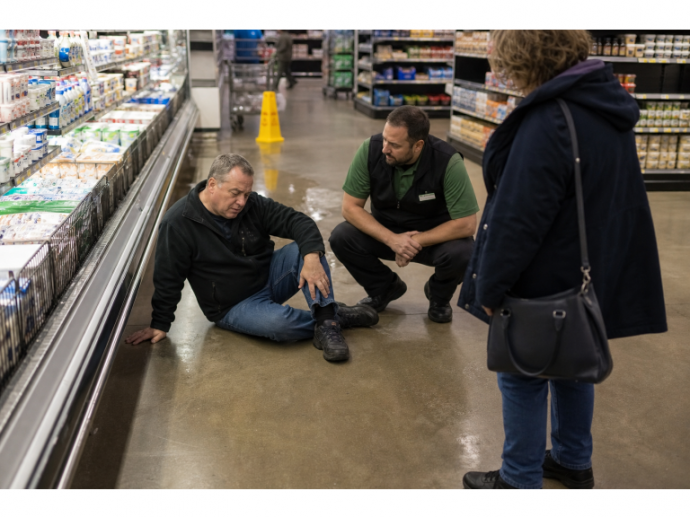
A slip and fall claim is a type of personal injury claim involving an injury on someone else's property. The fall may result from a wet floor, spilled product, loose rug, uneven pavement, poor lighting, broken handrail, debris, ice, or another unsafe condition. The central issue is usually whether a person or business with responsibility for the property failed to use reasonable care under the circumstances.
Unsafe walking surfaces can cause serious harm. The hazards created by wet floors, spills, and clutter are well recognized in workplaces, but similar risks can exist in public and residential locations. The facts matter. A freshly spilled drink, for example, may raise different questions than a leaking freezer that had been creating a puddle for hours.
What To Do Immediately After a Fall
First, determine whether emergency medical attention is needed. Do not try to stand or walk if there may be a serious injury. Ask someone to call 911 when there is severe pain, visible deformity, loss of consciousness, confusion, heavy bleeding, or an inability to move safely.
Report the Incident
Tell a manager, owner, landlord, supervisor, or staff member what happened and where it happened. Request that an incident report be completed, but read it carefully before signing. If it does not accurately reflect what occurred, ask for corrections or provide a brief written statement of your own.
Document the Scene
If it is safe, photograph the hazard, the surrounding area, the warning signs, the lighting, the footwear, and the visible injuries. Take wider photographs that show the location and closer photographs that show details such as liquid, torn carpeting, loose tiles, or uneven surfaces. Obtain names and contact information for witnesses who saw the fall or noticed the hazardous condition beforehand.
Why Medical Documentation Matters
Some injuries are obvious immediately, while others become more noticeable after the shock of the fall wears off. Sprains, fractures, soft-tissue injuries, back pain, and head injuries can worsen over time. Medical records help connect symptoms, diagnosis, treatment, and activity restrictions to the incident.
A head strike deserves particular attention. The CDC explains that symptoms of a mild traumatic brain injury can appear later, including headaches, dizziness, nausea, concentration problems, and sleep changes. Seek emergency care for danger signs such as repeated vomiting, worsening headache, unusual behavior, weakness, seizures, or difficulty waking.
How Responsibility May Be Evaluated
Property owners are not insurers of everyone's safety. To evaluate a claim, insurers and courts may examine whether a dangerous condition existed, how long it was present, whether the owner or staff knew or should have known about it, and whether reasonable inspection, repair, cleanup, or warning measures were taken.
They may also consider the injured person's actions. Footwear, distractions, marked warnings, blocked-off areas, weather conditions, and familiarity with the location can all become part of the discussion. In many states, shared responsibility can affect the amount a person may recover, but the rules vary by jurisdiction.
Evidence That Can Support a Claim
Evidence may disappear quickly after a fall. A spill can be cleaned, a broken surface can be repaired, and surveillance footage may be overwritten. Preserve what you can as early as possible.
- Photos and videos of the scene, hazard, injuries, and footwear.
- Incident reports and the names of employees who responded.
- Witness statements or contact details.
- Medical records, bills, prescriptions, and treatment instructions.
- Lost-wage records, including missed shifts and employer documentation.
- Receipts for transportation, assistive devices, medication, or other injury-related costs.
- Unwashed shoes and damaged clothing, stored in their condition after the fall.
Potential Losses in a Slip and Fall Claim
Depending on the facts and applicable law, a claim may seek compensation for documented medical expenses, rehabilitation, lost income, reduced earning ability, and pain and suffering. The severity of the injury, expected recovery period, treatment needs, and impact on daily activities often shape the value of a claim. There is no reliable universal formula, and no outcome should be assumed before the evidence is reviewed.
Dealing With Insurance Companies
An insurer may contact an injured person soon after the incident. Provide truthful, basic information, but avoid guessing about fault, the exact cause of the fall, or the long-term medical outcome. Keep copies of every email, letter, claim form, and settlement proposal. Before accepting payment or signing a release, understand whether it closes the claim completely.
Common Mistakes To Avoid
- Leaving without reporting the fall.
- Failing to photograph the dangerous condition.
- Delaying medical care while symptoms grow worse.
- Posting detailed comments or photos about the incident on social media.
- Throwing away shoes, clothing, receipts, or paperwork.
- Assuming a property owner's apology proves legal responsibility.
- Accepting a settlement before the full extent of injuries is understood.
A Practical Post-Fall Checklist
- Get medical help and follow treatment instructions.
- Report the incident and request a copy of any report.
- Photograph the location, hazard, injuries, and footwear.
- Collect witness and employee contact information.
- Write down a timeline while the details are fresh.
- Save medical records, bills, work-loss information, and communications.
- Review insurance requests carefully and seek qualified guidance when injuries or liability issues are significant.
A slip and fall claim is strongest when it is supported by prompt medical attention, reliable evidence, and a clear record of what happened. Taking practical steps in the hours and days after a fall can protect both physical well-being and the ability to address insurance or legal questions later.
Comments
