Categories more
- Adventures (62)
- Arts / Collectables (14)
- Automotive (77)
- Aviation (68)
- Bath, Body, & Health (127)
- Children (49)
- Cigars / Spirits (72)
- Cuisine (68)
- Design/Architecture (22)
- Electronics (66)
- Entertainment (40)
- Event Planning (116)
- Fashion (47)
- Finance (10)
- Gifts / Misc (7)
- Home Decor (118)
- Jewelry (41)
- Pets (3)
- Philanthropy (1)
- Real Estate (19)
- Services (60)
- Sports / Golf (38)
- Vacation / Travel (101)
- Watches / Pens (72)
- Wines / Vines (34)
- Yachting / Boating (76)


Exploring China’s Most Iconic Cities and Cultural Sites

Published
01/08/2026China's vast landscape encompasses thousands of years of history, breathtaking natural wonders, and some of the world's most fascinating urban centers. From ancient temples perched on misty mountains to gleaming modern skylines, this incredible country offers travelers an unforgettable journey through time and culture. Whether you're drawn to imperial palaces, revolutionary landmarks, or cutting-edge architecture, China's diverse destinations promise experiences that will stay with you forever.
Beijing: The Heart of Imperial China
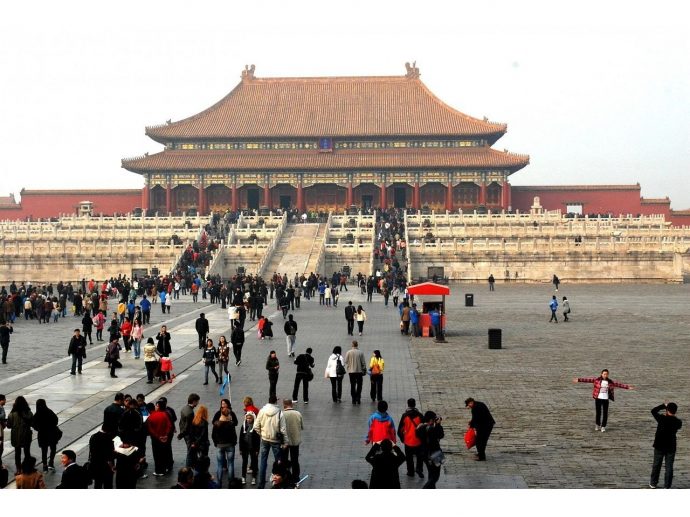
Beijing stands as the political and cultural capital of China, where ancient traditions meet contemporary ambitions. The Forbidden City, once home to emperors and their courts, remains one of the world's most impressive palace complexes, with nearly 1,000 buildings showcasing traditional Chinese architecture at its finest.
Just north of the city, the Great Wall snakes across mountainous terrain, offering visitors the chance to walk along one of humanity's most ambitious construction projects. The sections near Beijing, particularly Mutianyu and Badaling, provide accessible yet awe-inspiring experiences of this ancient defensive marvel.
The Temple of Heaven, where emperors once performed sacred rituals, demonstrates the sophisticated cosmology of imperial China. Its circular design and intricate symbolism reflect the ancient Chinese understanding of the relationship between heaven and earth.
Shanghai: Where East Meets West
Shanghai pulses with an energy unlike any other Chinese city. The Bund, a waterfront promenade lined with colonial-era buildings, faces the futuristic Pudong skyline across the Huangpu River, creating a visual dialogue between past and future.
The city's French Concession district offers tree-lined streets, boutique shops, and charming cafes that transport visitors to another era. Meanwhile, the Yu Garden provides a peaceful retreat with its classical Chinese landscaping, koi ponds, and traditional pavilions.
Shanghai's museums, including the Shanghai Museum and the China Art Museum, house extraordinary collections that span millennia of artistic achievement. The city's vibrant food scene, from street vendors to Michelin-starred restaurants, showcases regional cuisines from across China.
Xi'an: Gateway to Ancient Wonders
Xi'an served as China's capital for numerous dynasties and remains one of the country's most historically significant cities. The Terracotta Army, discovered by farmers in 1974, stands as one of archaeology's greatest finds, with thousands of life-sized clay warriors guarding the tomb of China's first emperor.
The ancient city walls, among the best-preserved in China, encircle the old town and can be explored by bicycle or on foot. Walking or cycling atop these fortifications provides unique perspectives on both historic and modern Xi'an.
The Muslim Quarter buzzes with activity, offering visitors a taste of Xi'an's diverse cultural heritage through its markets, mosques, and incredible street food. This neighborhood reflects the city's position as the eastern terminus of the ancient Silk Road.
The Mystical Mountains and Sacred Sites
China's sacred mountains have drawn pilgrims and poets for centuries. Mount Tai in Shandong Province, one of the Five Great Mountains, features stone steps leading to temples and inscriptions carved by emperors and scholars throughout history.
The Longmen Grottoes near Luoyang contain tens of thousands of Buddhist statues carved into limestone cliffs over several centuries. These remarkable sculptures demonstrate the artistic sophistication and religious devotion of ancient Chinese craftspeople.
Mount Emei in Sichuan Province, one of Buddhism's four sacred mountains, offers both spiritual significance and natural beauty. Visitors can hike through diverse ecosystems while encountering monasteries and temples that have served as centers of Buddhist learning for generations.
Guilin and Yangshuo: Natural Masterpieces
The karst landscape of Guilin and Yangshuo has inspired Chinese painters and poets for centuries. Dramatic limestone peaks rise from the earth like ancient sentinels, creating scenery that seems almost otherworldly.
Cruising down the Li River between Guilin and Yangshuo provides constantly changing vistas of these remarkable formations, with traditional fishing villages and bamboo groves adding human scale to the dramatic landscape. The region's beauty has made it one of China's most photographed destinations.
Planning Your Chinese Adventure
Exploring China's iconic destinations requires thoughtful planning given the country's immense size and diversity. Many travelers find that organized tours of China provide valuable structure and local expertise, particularly for first-time visitors navigating language barriers and logistics.
The best times to visit vary by region, but spring and autumn generally offer pleasant weather and fewer crowds. China's high-speed rail network makes traveling between major cities efficient and comfortable, though some remote sites require additional planning.
Conclusion
China's iconic cities and cultural sites offer journeys that satisfy every type of traveler, from history enthusiasts to nature lovers. The country's ability to preserve ancient traditions while embracing modernity creates a dynamic travel experience that challenges expectations and broadens perspectives. Whether exploring imperial palaces, walking along ancient walls, or marveling at natural wonders, visitors to China encounter a civilization whose contributions to human culture remain profoundly relevant today.
Comments
