Categories more
- Adventures (62)
- Arts / Collectables (14)
- Automotive (77)
- Aviation (65)
- Bath, Body, & Health (123)
- Children (6)
- Cigars / Spirits (71)
- Cuisine (66)
- Design/Architecture (22)
- Electronics (63)
- Entertainment (36)
- Event Planning (115)
- Fashion (45)
- Finance (10)
- Gifts / Misc (6)
- Home Decor (118)
- Jewelry (41)
- Pets (3)
- Philanthropy (1)
- Real Estate (16)
- Services (44)
- Sports / Golf (14)
- Vacation / Travel (85)
- Watches / Pens (33)
- Wines / Vines (34)
- Yachting / Boating (67)


First time in Uganda: what every new visitor needs to know

Published
04/30/2026Uganda is one of Africa's most rewarding travel destinations, yet it remains significantly less visited than neighboring Kenya and Tanzania. For first-time visitors, the country can feel unfamiliar and complex to plan, with a wide range of national parks, a variety of wildlife experiences and a set of logistical considerations that differ from more established safari destinations. The good news is that Uganda is well set up for international visitors and the effort required to get there and navigate the country is well repaid by the extraordinary experiences it delivers. Whether you are at the very beginning of your research or ready to start booking, taking the time to learn more about Uganda safari tours is the best first step toward planning a trip that exceeds every expectation. This guide covers everything a first-time visitor to Uganda needs to know.
Why Uganda deserves a place on your travel list
Uganda is a small country by African standards, but it punches well above its weight as a wildlife and nature destination. It is home to more than half of the world's remaining mountain gorillas, the largest chimpanzee population in East Africa, over a thousand bird species and a remarkable diversity of landscapes ranging from open savannas and wetlands to ancient equatorial rainforests and mist-covered mountain ranges.
What sets Uganda apart from more heavily visited safari destinations is the combination of extraordinary wildlife and genuine authenticity. The parks are quieter, the encounters feel more personal and the country as a whole has a warmth and character that leaves a lasting impression on the travelers who visit it. Uganda is not a destination that has been polished and packaged for mass tourism. It is a place that rewards curiosity, patience and a willingness to look beyond the obvious, and that is precisely what makes it so special.
Getting to Uganda: flights and entry requirements
Uganda's main international gateway is Entebbe International Airport, located approximately 40 kilometers south of the capital Kampala on the shores of Lake Victoria. There are no direct flights from Western Europe or North America to Entebbe, so all international travelers arrive via a connecting hub. The most common connections are through Nairobi, Addis Ababa, Dubai, Amsterdam and London. Flight times from Europe with a single connection typically range from ten to fourteen hours depending on the routing.
Most nationalities, including travelers from the United States, the United Kingdom and European Union countries, require a visa to enter Uganda. The East Africa Tourist Visa is a particularly useful option for travelers who plan to visit Uganda in combination with Kenya and Rwanda, as it covers entry to all three countries for a single fee. Visas can be applied for online through the Uganda e-visa portal and should be arranged well before your departure date. Check that your passport is valid for at least six months beyond your intended return date, as this is a standard requirement for entry.
The best time to visit Uganda for the first time
Uganda has two dry seasons that are generally considered the best times to visit: the main dry season from June to August and a shorter dry period from December to February. During these periods, the roads in and between the national parks are in their best condition, wildlife is easier to spot in the thinner vegetation and gorilla trekking trails are less physically demanding than during the wet season.
For first-time visitors, the main dry season from June to August is the most straightforward choice. The weather is consistently dry, the parks are at their most accessible and the overall conditions for wildlife viewing are at their peak. The trade-off is that this is also the busiest and most expensive time to travel, and gorilla trekking permits are in particularly high demand. Booking everything well in advance is essential if you plan to travel during this period.
The green seasons from March to May and September to November bring lush landscapes, exceptional birdwatching and significantly fewer crowds, but some roads become challenging after heavy rainfall and the gorilla treks can be physically demanding in wet and muddy conditions. For experienced travelers who are comfortable with a degree of uncertainty, the green season offers excellent value and a more intimate experience of the country.
Which national parks should first-time visitors prioritize?
Uganda has ten national parks, but first-time visitors typically focus on three or four destinations that together cover the full range of what the country has to offer. Bwindi Impenetrable Forest is the non-negotiable starting point for most itineraries, as gorilla trekking is the experience that draws the majority of international visitors to Uganda in the first place. Queen Elizabeth National Park is the most accessible and most visited park in the country and offers a good introduction to Uganda's savanna wildlife, including elephants, buffalos, hippos, lions and the famous tree-climbing lions of the Ishasha sector.
Murchison Falls National Park in the north is the largest park in Uganda and home to the spectacular Murchison Falls, where the Nile River is forced through a narrow gorge before plunging into a pool below. A game drive in Murchison combined with a boat trip to the base of the falls is one of the most complete safari experiences available in East Africa. Kibale National Park rounds out the itinerary for many first-time visitors, offering outstanding chimpanzee trekking in a dense and beautiful forest environment.
Gorilla trekking: what to expect on your first trek
Gorilla trekking is for most first-time visitors to Uganda the central event of the entire trip, and managing your expectations and preparations carefully will ensure that the experience lives up to its considerable reputation. A gorilla trekking permit grants you one hour in the presence of a habituated mountain gorilla family in Bwindi Impenetrable Forest. Each permit allows access to one specific gorilla family, and groups are limited to a maximum of eight visitors per family per day to minimize disturbance to the animals.
The trek begins early in the morning, typically around 8am, with a briefing from park rangers about the rules and protocols for the encounter. The walk to reach the gorilla family varies considerably in length and difficulty depending on where the family has moved overnight. Some treks last as little as one to two hours in total, while others can take the better part of a full day. The terrain is steep and the vegetation is dense, so a reasonable level of fitness is required. Walking sticks are available at the trailhead and porters can be hired to carry your bag and provide additional support on difficult sections of the trail.
The hour spent with the gorillas passes very quickly. You are asked to remain at least seven meters from the animals at all times, though gorillas occasionally approach closer on their own initiative. Photography is permitted but flash photography is not. Most first-time trekkers describe the experience as deeply moving, and many find themselves struggling to fully process what they have witnessed until several days after the event.
Health and safety: what you need to arrange before departure
Health preparation is an essential part of planning a first visit to Uganda. A consultation with a travel health clinic or your general practitioner should be arranged at least six to eight weeks before departure to allow time for any vaccination courses to be completed. Recommended vaccinations for Uganda typically include hepatitis A, typhoid, tetanus, diphtheria, polio and meningitis. Yellow fever vaccination is mandatory for entry into Uganda and must be administered at least ten days before arrival.
Malaria is present throughout Uganda, including in all of the major national park areas. Anti-malarial medication is strongly recommended and should be discussed with your doctor before departure, as different medications have different protocols and side effects. Pack a good quality insect repellent containing DEET and use it consistently, particularly during the hours around dawn and dusk when mosquitoes are most active. A comprehensive travel insurance policy that includes medical evacuation cover is essential for travel to Uganda, as the country's medical facilities outside of Kampala are limited and evacuation to Nairobi or beyond may be required in serious cases.
What to pack for a Uganda safari
Packing appropriately for a Uganda safari requires balancing the needs of several different environments, from the open savannas of Murchison Falls and Queen Elizabeth to the cool and wet conditions of Bwindi's rainforest. Lightweight, moisture-wicking clothing in neutral, earthy tones is the foundation of a good safari wardrobe. Bright colors and white should be avoided on game drives as they can disturb wildlife.
For gorilla trekking specifically, long-sleeved shirts and long trousers are strongly recommended to protect against scratches from vegetation and bites from insects. Waterproof hiking boots with good ankle support are essential for the forest trails, and a lightweight waterproof jacket is important as conditions in Bwindi can change quickly. Gardening gloves are a useful addition for gripping vegetation on steep sections of the trail.
A good pair of binoculars is invaluable throughout the trip, particularly for birdwatching in Uganda's exceptionally rich avian environment. Camera equipment should include a zoom lens for wildlife photography and a wide-angle lens for landscapes and forest scenes. Most lodges in Uganda's national parks offer charging facilities, but access to power can be unreliable in more remote locations, so a portable power bank is a sensible addition to your kit.
Cultural etiquette and practical tips for first-time visitors
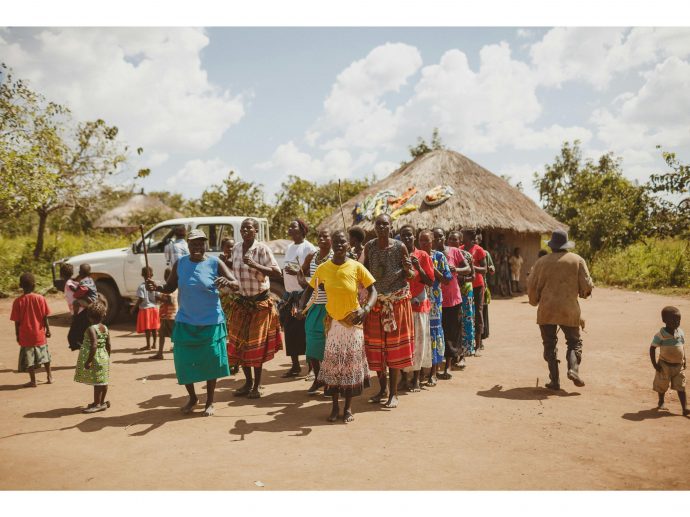
Uganda is a deeply hospitable country and visitors are warmly welcomed throughout the country. A few basic cultural considerations will help ensure that your interactions with local communities are respectful and enjoyable. Greetings are important in Ugandan culture and taking the time to exchange pleasantries before getting to the point of a conversation is appreciated. Asking permission before photographing individuals is both polite and important, and a small gesture of thanks is always well received.
The official languages of Uganda are English and Swahili, and English is widely spoken in tourist areas, national parks and lodges, making communication straightforward for most international visitors. The Ugandan shilling is the local currency and cash is widely used, particularly outside of Kampala. US dollars are accepted in many tourist establishments and are the most practical foreign currency to carry. ATMs are available in Kampala and Entebbe but are less reliable in smaller towns and are generally not available in or near the national parks.
Your first visit to Uganda will not be your last
Uganda has a habit of getting under the skin of the travelers who visit it. The combination of extraordinary wildlife, genuine warmth from the people and landscapes of breathtaking variety creates an experience that is difficult to replicate anywhere else in the world. First-time visitors consistently leave with a sense that they have only just begun to understand what the country has to offer and a strong desire to return and explore further. Uganda rewards the traveler who arrives with an open mind and a willingness to be surprised, and it rarely fails to deliver on that promise.
Comments
