Categories more
- Adventures (62)
- Arts / Collectables (14)
- Automotive (77)
- Aviation (65)
- Bath, Body, & Health (123)
- Children (6)
- Cigars / Spirits (71)
- Cuisine (66)
- Design/Architecture (22)
- Electronics (63)
- Entertainment (36)
- Event Planning (115)
- Fashion (45)
- Finance (10)
- Gifts / Misc (6)
- Home Decor (118)
- Jewelry (41)
- Pets (3)
- Philanthropy (1)
- Real Estate (16)
- Services (44)
- Sports / Golf (14)
- Vacation / Travel (85)
- Watches / Pens (33)
- Wines / Vines (34)
- Yachting / Boating (67)


From Market to Table: Unique Family Cooking Adventures in South Europe


Published
01/07/2026Family travel in Southern Europe often begins around the table, not at a landmark. Meals stretch, conversations overlap, and food becomes a shared language that doesn’t require translation. What makes the region especially suited to family cooking experiences is how naturally daily life invites participation — markets welcome children, kitchens encourage curiosity, and recipes are rarely treated as fixed rules.
From Italy to Portugal, cooking together becomes a way of understanding place without separating adults from children or experience from enjoyment. These are not performances or classes designed for visitors. They are extensions of everyday routines, opened just enough to include outsiders willing to listen, taste, and help.
Markets as the First Classroom
Southern European markets operate as living systems. They are loud without being chaotic, social without being overwhelming. Stallholders talk as much as they sell. Produce is handled, discussed, compared.
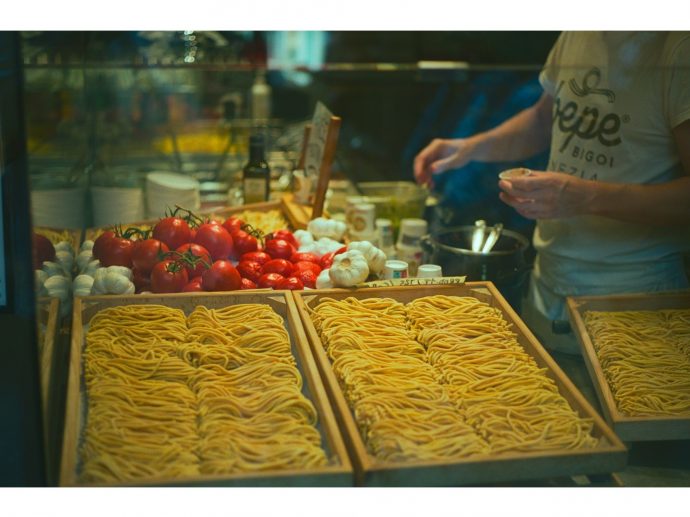
For families, this environment feels accessible. Children are encouraged to point, ask, and choose. Meals begin here, shaped by what’s available rather than what’s planned. Learning happens incidentally — about seasonality, freshness, and how food fits into the rhythm of the day.
Markets set the tone: cooking is not a separate activity, but a continuation of daily life.
Hands-On Traditions in Florence
In Italy, cooking is rarely framed as instruction. It’s repetition passed down through observation. In cities like Florence, family kitchens open naturally to shared preparation — rolling dough, shaping pasta, tasting sauces as they adjust.
What makes these experiences memorable isn’t complexity, but inclusion. Children are given real tasks, not symbolic ones. Adults rediscover patience as measurements give way to feel.
For many families choosing Italy tour packages, these moments become the highlight — not because they are luxurious, but because they are participatory. Everyone contributes, and everyone eats the result.
Learning Through Taste, Not Explanation
Italian cooking relies heavily on instinct. Recipes exist, but they are flexible. A sauce changes depending on what’s on hand. A dish adjusts to the weather.
For families, this approach removes pressure. There’s no single correct outcome. Mistakes become variations. Children learn that cooking is responsive rather than rigid, shaped by attention more than precision.
This mindset carries easily across cultures and ages, making the experience feel genuinely shared.
Crossing Borders, Keeping the Rhythm
Southern Europe’s rail networks make it easy to move between regions without breaking continuity. Travel becomes part of the experience rather than an interruption.
Understanding how to travel from Lisbon to Porto often comes down to simplicity — a smooth rail journey that mirrors the unhurried pace of Portuguese food culture. Movement here doesn’t compete with arrival. It prepares you for it.
Families benefit from this gentler transition, arriving relaxed rather than rushed.
Atlantic Flavours and Open Kitchens in Porto
Portugal’s cooking culture feels open and generous, especially in Porto. Meals revolve around sharing, with dishes placed centrally and portions designed to stretch. Fish markets inform menus directly. Ingredients remain recognisable.
Family cooking experiences here often begin with a walk — selecting seafood, vegetables, bread — before moving into home kitchens where preparation unfolds without ceremony. Children learn through proximity: watching, helping, tasting.
There’s little separation between cook and guest. Everyone becomes part of the process.
Why Southern Europe Suits Families So Well
What unites these experiences across countries is attitude. Southern Europe doesn’t isolate children from adult spaces. Kitchens are shared. Markets are communal. Meals are social by default.
This inclusivity removes friction. Parents don’t need to manage separate activities. Learning happens organically, through doing rather than instruction.
Cooking together becomes a way of slowing down while staying engaged — a balance many families struggle to find elsewhere.
Recipes That Carry Memory Home
One of the lasting values of family cooking adventures is portability. Recipes travel easily. Techniques adapt. Children remember not just what they ate, but how they helped create it.
Back home, these meals resurface unexpectedly — a pasta shaped by hand, a sauce adjusted by taste, a habit of eating together without hurry. The experience continues long after the trip ends.
Food becomes memory you can repeat.
Markets, Kitchens, and Shared Time
From Italian town kitchens to Portuguese coastal homes, Southern Europe offers families something increasingly rare: shared time that feels unstructured but meaningful.
There’s no rush to complete an activity, no pressure to perform. Cooking unfolds at its own pace, guided by conversation and curiosity.
These moments don’t need explanation. They make sense as soon as they happen.
Why These Experiences Feel Luxurious
Luxury, in this context, isn’t about exclusivity. It’s about access — to routines usually kept private, to skills passed down quietly, to time spent together without distraction.
Family cooking adventures in Southern Europe offer exactly that. They replace observation with participation and replace schedules with presence.
From market to table, the experience becomes less about learning to cook and more about learning to be together — attentively, generously, and without hurry.
Comments
