Categories more
- Adventures (62)
- Arts / Collectables (14)
- Automotive (77)
- Aviation (65)
- Bath, Body, & Health (123)
- Children (6)
- Cigars / Spirits (71)
- Cuisine (66)
- Design/Architecture (22)
- Electronics (63)
- Entertainment (36)
- Event Planning (115)
- Fashion (45)
- Finance (10)
- Gifts / Misc (6)
- Home Decor (118)
- Jewelry (41)
- Pets (3)
- Philanthropy (1)
- Real Estate (16)
- Services (44)
- Sports / Golf (14)
- Vacation / Travel (85)
- Watches / Pens (33)
- Wines / Vines (34)
- Yachting / Boating (67)



How Invisible Luxury is Redefining Exclusive Wellness Escapes in Southeast Asia

Published
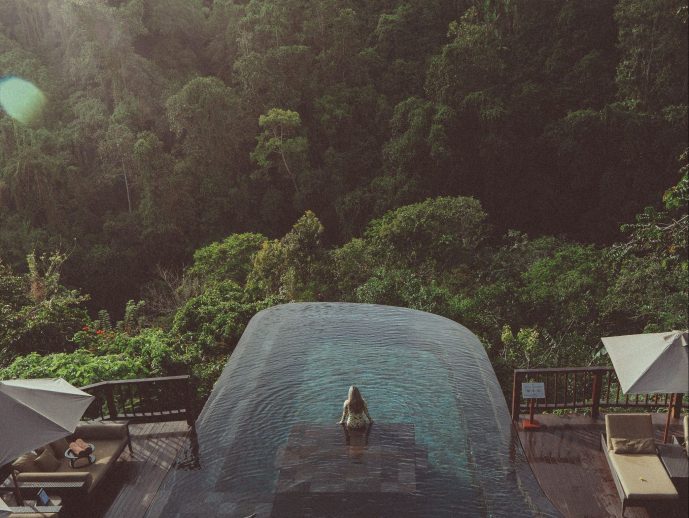
10/06/2026For decades, high-end travel was defined by visibility. Opulent lobbies, high-profile dining rooms, and attentive but highly visible service were the hallmarks of a premium holiday. Today, however, ultra-high-net-worth individuals are seeking the exact opposite. A new standard of hospitality has emerged, focusing on extreme privacy, digital detachment, and frictionless, behind-the-scenes service. This movement towards invisible luxury is reshaping how affluent travellers approach rest, transforming exclusive wellness escapes across Southeast Asia into highly secluded sanctuaries designed for profound psychological repair.
The Rise of Hushpitality and Stripped-Back Luxury
The cultural desire to escape modern noise is driving a massive evolution in high-end hospitality. Recent industry surveys reveal that 40 percent of elite travellers now rank discreet staff as their most critical requirement, while over a quarter demand total physical seclusion where they never have to cross public spaces. As the hospitality sector witnesses a surge in luxury travel trends redefining exclusive getaways, developers are abandoning traditional, crowded resort models in favour of vast private estates and quiet environments. This transformation caters directly to individuals who feel overexposed in their daily lives and crave absolute anonymity during their time off.
This shift is not merely aesthetic but deeply tied to an expanding health economy. Southeast Asia has deliberately pivoted its tourism strategy to cater to high-value wellness seekers. For those desiring absolute seclusion and nervous system safety, booking premium retreats in Thailand provides the ideal environment. These sanctuaries offer low-friction, nature-immersed experiences guided by skilled human practitioners, ensuring that every logistical detail is handled invisibly while guests focus purely on recovery. By removing the pressure of social interaction, these secluded spaces allow guests to decompress fully.
With the global wellness tourism sector rapidly expanding, industry forecasts highlight a growing demand for stripped-back luxury alongside a projected market valuation of $2.4 trillion by 2035. Affluent guests are no longer looking for flashy amenities or conspicuous consumption. Instead, they are actively pursuing environments that facilitate sensory quiet and emotional ease. The focus has firmly shifted from what a resort looks like to how the environment makes the guest feel.
Neurowellness and the Demand for Deep Rest
A core component of invisible luxury is the integration of neurowellness, which focuses on everyday nervous system regulation. After years of chasing stressful peak performance optimisation, modern affluent travellers are exhausted. Trend forecasting agencies note that these individuals, often dubbed the new luxurians, are actively moving away from visible opulence. Instead, consumer data from mid-2026 highlights a nearly 1,000 percent increase in online search interest for nervous system regulation, reflecting widespread burnout with hyper-connected lifestyles. The goal is no longer to push the body to its limits during a holiday, but to shift the autonomic nervous system from chronic fight-or-flight activation into a state of deep repair.
The Southeast Asian region has become the epicentre for this restorative approach, seamlessly integrating traditional holistic therapies with preventative care in completely distraction-free settings. By prioritising health span and nervous system recovery, wellness hubs across the continent are proving that the future of elite travel focuses on profound internal healing rather than external validation. Highly trained specialists operate in the background, carefully orchestrating wellness programmes that blend seamlessly into the guest's daily rhythm.
Core Hallmarks of the Invisible Luxury Experience
When traditional, conspicuous elements are removed from the equation, what remains is a highly curated, hyper-private guest experience. Resorts championing invisible luxury typically share several defining characteristics designed to protect a guest's peace of mind at all costs. Travellers seeking these exclusive wellness escapes can expect the following distinct features to be standard practice:
- Architectural Isolation: Villas and wellness spaces are designed to blend into the natural environment, ensuring that guests can move from their bedroom to a private treatment area without encountering another soul.
- Frictionless Logistics: Every detail of the itinerary is orchestrated discreetly. From unpacking luggage to preparing bespoke nutritional meals, service is intuitive, silent, and flawlessly executed without requiring the guest to ask.
- Somatic and Holistic Programming: Instead of high-tech medical interventions, the focus is on vagus nerve stimulation, intentional rest, and somatic practices that require quiet, safe spaces to be effective.
- Digital Detachment Zones: Properties actively encourage guests to unplug by providing environments entirely free from screens, endless notifications, and modern technological distractions.
As global wealth continues to grow, the ultimate luxury is no longer something that can be easily photographed or shown off. It is the intangible privilege of silence, space, and intuitive care. Southeast Asia offers weary travellers a rare opportunity to truly disconnect and heal in absolute peace, setting a new global standard for what it means to truly get away from it all.
Comments
